Creating a reliable floor warden team is one of the most effective ways to strengthen your building’s emergency preparedness. Whether managing a commercial high-rise or a multi-unit residential property, having well-trained wardens on every floor ensures faster evacuations, improved communication, and better coordination during emergencies. A strong team not only protects lives but also reinforces your building’s compliance with fire and life safety regulations.
This practical guide outlines how to identify, train, and retain effective floor wardens while fostering a proactive safety culture throughout your property. Drawing from industry best practices and WPS’s training expertise, it provides actionable steps to build confident leadership within your emergency response team.
The Critical Role of Floor Wardens Team in Building Safety
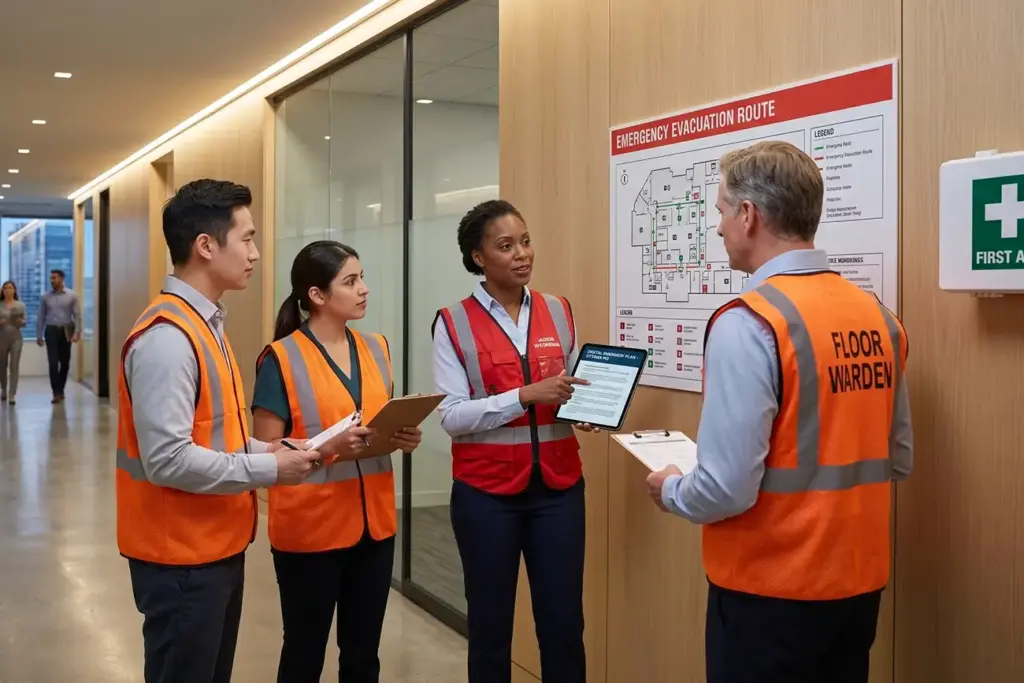
Every second counts during an emergency. Floor wardens are the link between management, emergency personnel, and occupants. They guide people to safety, assist those requiring help, and ensure procedures are followed calmly and efficiently.
When properly trained, wardens help prevent confusion and panic. They can quickly assess risks, communicate instructions, and provide valuable feedback during post-incident reviews. Beyond emergency response, their presence reassures occupants that safety is actively managed and taken seriously.
Investing in a structured warden program demonstrates leadership commitment to life safety and compliance, both of which are vital to meeting regulatory obligations and maintaining tenant trust.
Training for Real-World Readiness
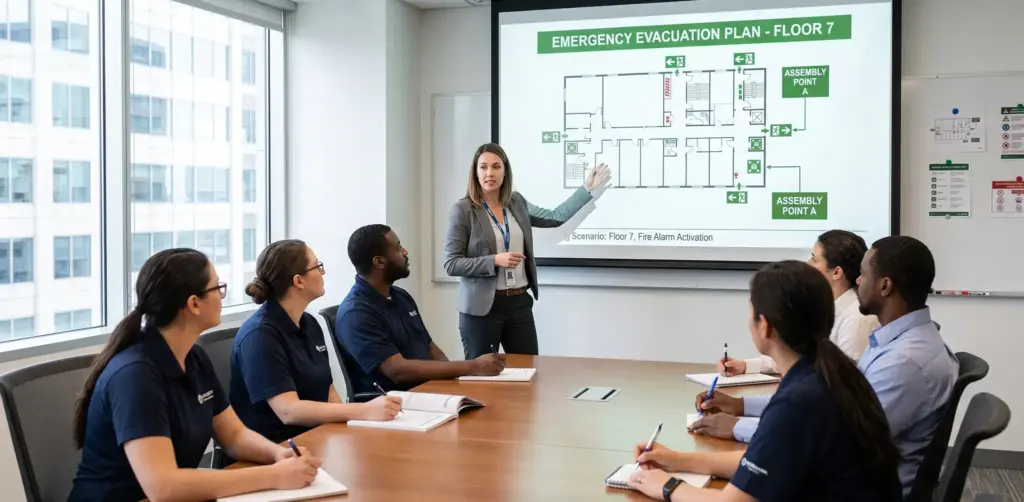
An effective floor warden team depends on training that prepares people to respond calmly and correctly in real emergencies. WPS recommends a combination of instructor-led sessions, on-demand training, and scenario-based exercises that simulate realistic situations.
Key components of an effective training program include:
- Understanding evacuation routes, assembly areas, and Persons Requiring Assistance (PRA) protocols.
- Reviewing fire alarm systems, emergency signage, and communication channels.
- Practicing response procedures for multiple hazards, including fires, power outages, or severe weather events.
- Conducting refresher sessions at regular intervals to maintain readiness.
WPS’s emergency training programs are designed to make wardens confident, informed, and capable of acting decisively under pressure. Combining flexibility with compliance-focused instruction ensures teams are prepared regardless of the emergency type or time of day.
Tools and Resources That Support Warden Performance
Even the best-trained teams need reliable tools to succeed. WPS provides technology solutions that simplify coordination and information access before, during, and after an emergency.
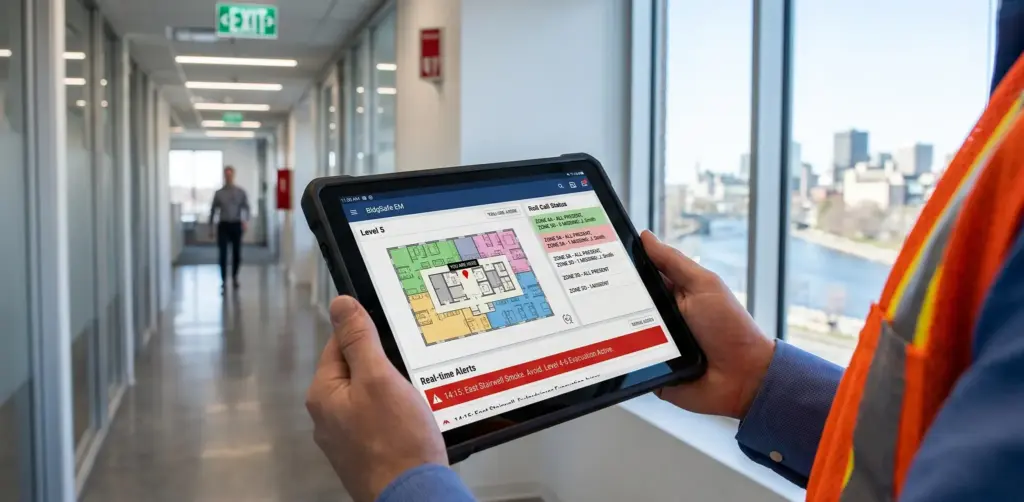
For example, the WPS Evac Software and mobile app help wardens quickly reference emergency plans, conduct digital roll calls, and communicate updates in real time. Built-in features such as eNotifire streamline mass notifications, while digital documentation tools support compliance reporting and post-incident analysis.
Accessible digital plans and quick-reference guides also ensure that wardens can make informed decisions without searching through paper binders. Having the right tools reduces stress during emergencies and improves the speed and accuracy of responses.
Keeping Teams Engaged and Prepared Over Time
A strong warden team requires ongoing engagement. Without consistent reinforcement, even well-trained wardens can lose confidence or forget procedures. Sustaining motivation and readiness involves a few key practices:
- Schedule periodic refresher courses and tabletop exercises to maintain familiarity with procedures.
- Recognize contributions publicly during safety meetings or internal communications.
- Rotate leadership responsibilities occasionally to keep the team dynamic and ensure coverage.
- Provide updates when procedures, systems, or personnel change.
Building relationships with wardens and encouraging feedback after drills or incidents keeps the program relevant and effective. A culture of continuous improvement ensures your building remains prepared as new challenges and technologies emerge.
Integrating Wardens Into the Larger Emergency Plan
Wardens are most effective when their responsibilities align with the broader emergency management framework. Each warden should understand how their actions connect to the overall emergency plan, including communication chains, building systems, and coordination with first responders.
During drills, wardens should practice reporting status updates, assisting Persons Requiring Assistance, and verifying accountability at assembly areas. Post-drill evaluations provide valuable insights into procedural gaps and improvement opportunities.
Integrating digital systems such as WPS Evac ensures that all team activities, from communication to reporting, remain synchronized across every floor. This integration not only enhances coordination but also simplifies compliance documentation for audits and inspections.
Building a Culture of Safety and Leadership
An effective warden program is more than a compliance requirement, it is the foundation of a strong safety culture. Empowering wardens to take ownership of their roles builds trust among occupants and encourages active participation in preparedness initiatives.
When leadership supports regular training, transparent communication, and technology adoption, the result is a safer, more resilient environment. A proactive approach to safety management strengthens your reputation, reduces liability, and demonstrates accountability to both tenants and regulatory bodies.
Strengthening Building Safety Through Confident Leadership
Creating and maintaining an effective floor warden team is a practical investment in your building’s safety and operational resilience. By providing high-quality training, leveraging digital tools, and maintaining engagement, you can ensure your emergency response plan works when it matters most.
The confidence and coordination of your warden team can make a measurable difference in life safety outcomes.Discover how WPS’s training programs, digital tools, and emergency planning solutions can help you empower your safety leaders and build a stronger, more resilient building community.