
What Property Managers Can Learn from Past Incidents
Every emergency tells a story. For property managers, those stories can become powerful lessons, helping prevent future incidents and strengthen building resilience. Whether it’s a fire alarm that revealed gaps in tenant communication or a severe weather event that tested evacuation procedures, each situation offers valuable insights into what worked, what didn’t, and what can be improved.
At WPS, more than four decades of experience supporting emergency preparedness in North America show that preparedness is an ongoing process, not just a checklist. This article explores key lessons learned from real-world emergencies and how property managers can turn these insights into actionable strategies for safer, more compliant, and more confident buildings.
Lesson 1: Communication Gaps Can Turn a Minor Incident into a Major Problem
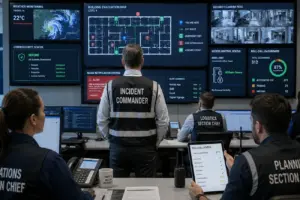
In one multi-tenant office complex, an electrical fire on a lower floor was contained quickly, yet confusion spread among tenants before clear instructions were delivered. Some tenants evacuated immediately, while others stayed at their desks, unsure of what was happening. The issue wasn’t the emergency response, it was inconsistent communication.
The lesson: clear, consistent messaging is as critical as the emergency plan itself. Tenants need to know who’s in charge, how they’ll receive instructions, and when it’s safe to act.
How to Apply It:
- Establish clear communication channels before emergencies happen.
- Use mobile-accessible platforms (for example the WPS Evac App) to send updates directly to tenants and staff.
- Reinforce communication procedures during drills so occupants know what to expect.
When people trust that communication is timely and accurate, they follow procedures more calmly and effectively.
Lesson 2: Training Makes the Difference When Every Second Counts
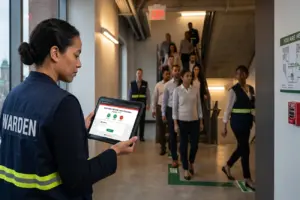
During a simulated evacuation in a residential high-rise, one floor’s timing lagged behind others. The likely cause: recent changes in floor wardens combined with lack of formal training for the new team.
In real emergencies, hesitation or confusion can lead to chaos. A trained response team reduces uncertainty and improves outcomes.
How to Apply It:
- Provide regular, structured warden and tenant training, both on-demand and instructor-led.
- Schedule refresher sessions annually to maintain confidence and consistency.
- Empower wardens to lead by example and communicate proactively with tenants.
With the right training, everyone knows their role, ensuring faster, safer evacuations and fewer liability risks.
Lesson 3: Outdated Documentation Can Slow Down Response Efforts
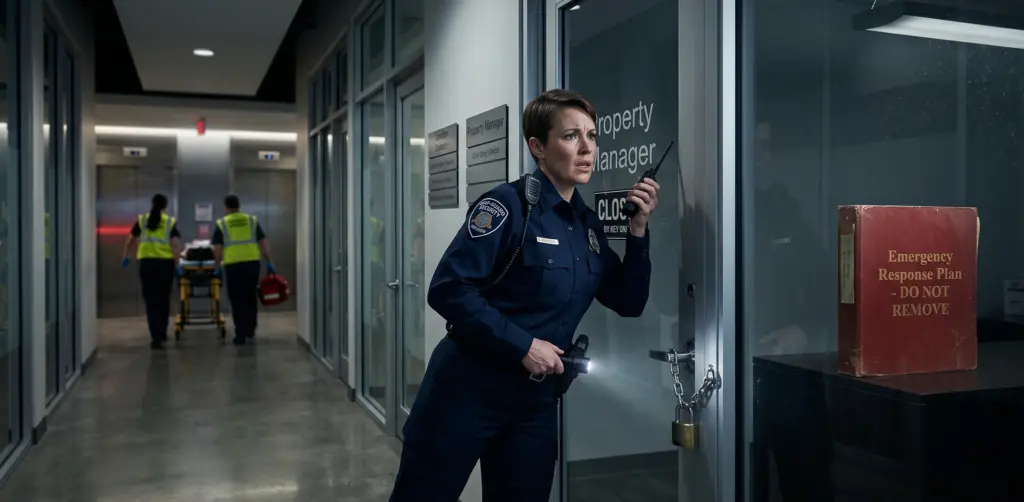
In another case, a property’s emergency response plan was comprehensive, but stored in a binder locked in the manager’s office. When a medical emergency occurred after hours, security staff couldn’t access critical information about response procedures and contacts.
The lesson: emergency plans that are stored but not instantly accessible in the field may fail when they are needed most.
How to Apply It:
- Digitize all emergency procedures, floor plans, and contact lists through solutions like WPS Evac.
- Ensure all authorized personnel have mobile access to the same, up-to-date information.
- Review and update documents regularly, especially after staff or building changes.
Easy access to accurate information can save valuable minutes, and lives, during a crisis.
Lesson 4: Visual Cues Save Time When Stress Levels Are High
During a fire evacuation at a mixed-use complex, several occupants attempted to exit through restricted areas because signage was unclear. The building’s evacuation maps were outdated, and new tenants weren’t familiar with the layout.
In emergencies, clear visual communication is essential. Stress can make even simple directions difficult to follow, so signage must be intuitive and visible.
How to Apply It:
- Audit evacuation signage regularly to ensure accuracy and visibility.
- Post Evacuation Signs and Occupant Emergency Guides in consistent, accessible locations.
- Include maps and procedures in digital tenant resources for reinforcement.
Good signage doesn’t just check a compliance box, it builds confidence by giving people clear direction when it matters most.
Lesson 5: Post-Incident Reviews Help Turn Mistakes into Improvements
After a flood caused by a burst pipe in a residential complex, management focused heavily on cleanup, but skipped a post-incident review. Weeks later, another minor incident revealed the same weaknesses in internal reporting and tenant notification.
Without reflection, the same issues can repeat. Conducting structured after-action reviews helps identify root causes and close preparedness gaps before the next event.
How to Apply It:
- Debrief after every drill or real emergency.
- Document what worked, what didn’t, and what needs revision.
- Use these insights to update your building’s emergency management plan and ensure your digital records (for example via WPS Evac) reflect the changes.
Continuous improvement turns experience into expertise and strengthens resilience across every property you manage.
Lesson 6: Collaboration Strengthens Preparedness Across Tenants
Emergencies don’t happen in isolation, especially in multi-tenant environments where one floor’s decisions can impact another. In one commercial tower, an uncoordinated evacuation led to stairwell congestion because not all tenants followed the same plan.
The solution lies in collaboration. Shared drills, communication alignment, and consistent expectations make the entire building safer.
How to Apply It:
- Schedule joint drills and training sessions for all tenants.
- Ensure wardens across companies coordinate procedures.
- Encourage tenant feedback and participation through regular safety meetings or digital surveys.
Building-wide coordination fosters a unified safety culture, reducing confusion and enhancing overall readiness.
Turning Lessons into Leadership
Every emergency, real or simulated, provides an opportunity to strengthen preparedness. The property managers who learn from these moments, by reviewing performance, updating tools, and reinforcing communication, set a higher standard for safety and reliability.
WPS’s integrated suite of solutions helps make that possible. From evacuation apps and occupant emergency guides to training programs and signage systems, these solutions are designed to help close the gaps revealed by real-world experience.
By learning from the past, property managers can lead with confidence, ensuring that every building is not just compliant, but truly prepared.
Discover how WPS can help you turn lessons into leadership and build a stronger culture of preparedness across your properties.