

When most people think about preparing for severe weather events, they think of fire drills. But real-world emergencies go far beyond that. Floods, severe storms, and even earthquakes can disrupt buildings, displace occupants, and expose property managers to major safety and compliance risks.
For today’s property and facility managers, achieving true multi-hazard preparedness means adopting an all-hazards approach—one that protects your building portfolio in every scenario through clear, coordinated emergency procedures.
Why Multi-Hazard Preparedness Matters
Extreme weather events are on the rise, and so is the responsibility of property leaders to keep occupants safe in unpredictable conditions. A single flood or power outage can interrupt operations, damage property, and put lives at risk.
Traditional fire-only plans simply don’t account for the complexities of modern hazards. A broader strategy helps ensure that every occupant knows what to do, no matter the event, whether it’s a wildfire, a flash flood, or a sudden storm.
Understanding the All-Hazards Approach
WPS’s all-hazards emergency plans are built on a simple idea: one adaptable framework that prepares your building for every threat.
Instead of creating separate procedures for each type of emergency, the all-hazards model integrates communication, evacuation, and response strategies into a unified plan. This keeps things consistent, clear, and easy to follow, especially when seconds matter.

Assessing Vulnerabilities in Your Building Portfolio
Every building faces different risks. A downtown office tower might need earthquake readiness measures, while a waterfront facility may be more concerned with flooding or storm surge.
Start by mapping your building’s vulnerabilities. Consider location, structure type, critical systems, and tenant demographics. WPS supports this process through risk assessments that help you identify the most relevant hazards and tailor your emergency procedures accordingly.
Developing Emergency Procedures for Multiple Scenarios
Once you know your risks, the next step is building flexible procedures. Fire alarms may trigger evacuations, but a tornado or chemical spill might call for shelter-in-place protocols.
An effective multi-hazard plan outlines what to do in each scenario, where to go, how to communicate, and who’s responsible for leading the response. WPS helps property teams create clear, actionable procedures that adapt to every type of emergency while meeting local compliance standards.
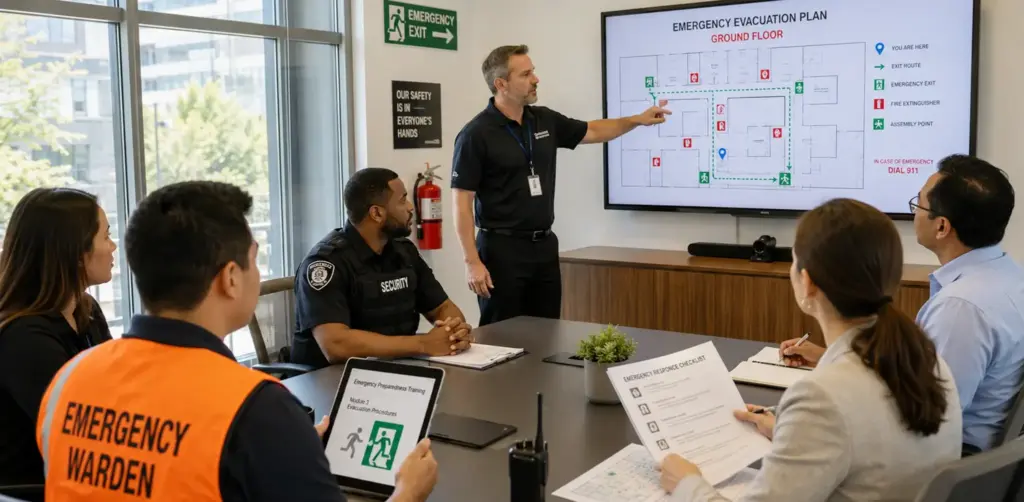
Training and Engaging Your Teams for All-Hazards Readiness
Even the best plan won’t work if your team isn’t trained. Emergency wardens, security, and building staff all need to understand their roles before a crisis hits.
Through WPS’s combination of instructor-led and digital training tools, you can equip every member of your team with the confidence and knowledge to respond effectively. Engaging, scenario-based exercises ensure that preparedness becomes part of your building’s culture, not just a requirement.
Leveraging Digital Tools to Simplify Multi-Hazard Management
Managing multiple hazards can seem complex, but technology can make it easier. WPS’s digital platforms help property managers create, update, and distribute emergency procedures across all locations with just a few clicks.
Centralized access ensures that the latest version of your plan is always available, while automated reminders and reporting features keep you inspection-ready year-round.
Building Long-Term Resilience Through Continuous Improvement
Emergency preparedness isn’t a one-time project, it’s an ongoing process. Plans should evolve as your building, staff, and risk environment change.
Regular reviews, drills, and data updates keep your emergency management program effective. With ongoing support from WPS, you can maintain a culture of readiness that protects both people and property, no matter what the next event brings.
Learn how WPS’s all-hazards emergency plans can help your property stay ready for whatever comes next.