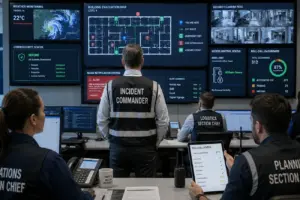
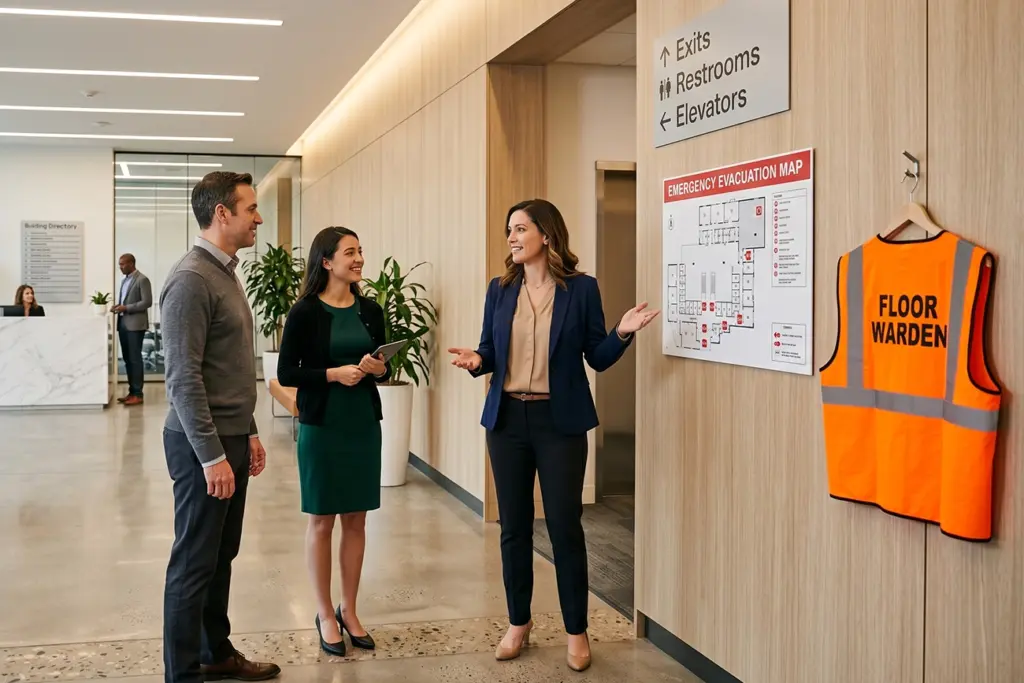
Building safety culture in multi-tenant properties takes more than compliance checklists and fire drills. It requires communication, leadership, and a genuine sense of shared responsibility among everyone who occupies the space. When tenants feel informed, supported, and confident in emergency procedures, they become active participants in safety rather than passive bystanders.
This post explores practical strategies for property and facility managers to foster a safety-first culture built on trust and awareness. From transparent communication to effective training and technology integration, these approaches help create safer, more connected building communities.
Why Building Safety Culture Matters
A safety-first culture goes beyond written plans and signage. It’s about influencing behavior through clear communication, consistent leadership, and mutual accountability. In multi-tenant buildings, this becomes more complex because occupants vary in roles, priorities, and familiarity with emergency procedures.
When management prioritizes safety visibly and consistently, tenants take notice. Studies on workplace and residential safety behavior show that clear leadership and regular engagement significantly increase compliance and awareness. Simple actions like including safety reminders in newsletters or holding quick annual refreshers reinforce that safety is not a one-time topic but an ongoing commitment.
Creating this kind of culture also improves operational resilience. Tenants who understand emergency procedures are more likely to respond correctly in real situations, reducing confusion, injuries, and potential liability for building owners.
Identifying Barriers to Tenant Engagement
Even the best safety programs can fail if tenants are disengaged. Common barriers include information overload, lack of perceived risk, and turnover among residents or office occupants. In busy multi-tenant settings, safety messaging can easily get lost among daily operations.
The first step is to simplify the message. Replace long emergency manuals with clear, accessible resources that focus on what tenants need to do, not just what policies require. Visuals like evacuation maps, quick reference guides, and short video explainers can improve understanding and retention.
Another key factor is consistency. When tenants see that safety communication is regular, not reactive, participation increases. For example, monthly or quarterly updates about safety drills, training opportunities, or changes in procedures help normalize the topic.
Finally, consider the tenant experience. Frequent staff changes or new leases can create gaps in understanding. Automated onboarding materials or digital tools that introduce emergency procedures at move-in can close those gaps efficiently.
Building Trust Through Transparent Communication
Trust is the foundation of safety engagement. When tenants understand that management’s safety initiatives are designed to protect them, not disrupt their day, cooperation improves.
Transparency begins with communication before, during, and after any emergency activity. For example, notifying tenants about upcoming training or drills helps set expectations and reduce frustration. After an exercise, sharing what went well and what will be improved demonstrates accountability and leadership.
Open communication also means making safety information readily available. Posting clear signage, distributing emergency guides, and maintaining updated digital access through mobile apps or online portals helps tenants stay informed. Visual consistency across these materials reinforces credibility and professionalism.
In larger properties, establishing communication channels between wardens, building management, and tenant representatives ensures feedback flows in both directions. Tenants who feel heard are far more likely to participate actively in safety programs.
Empowering Floor Wardens and Building Teams
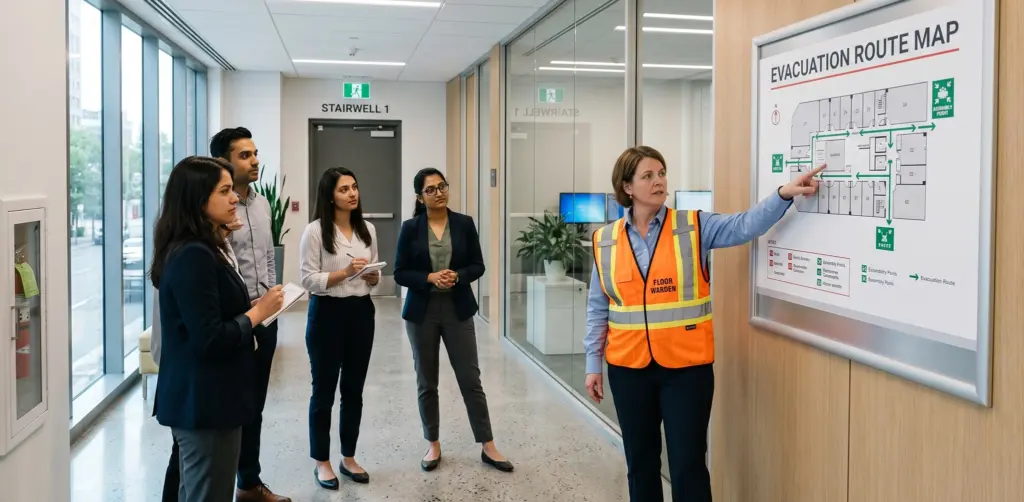
The effectiveness of any safety culture depends on the people who lead it day-to-day. Floor wardens and building safety coordinators play a crucial role in bridging management’s safety strategy with tenant experience.
Providing them with professional training builds both competence and confidence. Structured programs that teach emergency protocols, communication techniques, and leadership skills ensure wardens can manage their areas effectively during drills or real incidents.
WPS offers both on-demand and instructor-led training options that help building teams prepare for a range of scenarios. These programs emphasize practical, scenario-based learning so wardens can act decisively under pressure. When wardens are empowered and visible, tenants are more likely to trust the system and follow their guidance during emergencies.
Encouraging wardens to engage tenants between drills, by sharing updates, checking signage, or reinforcing procedures, keeps awareness high year-round.
Reinforcing Awareness Through Visual and Digital Tools
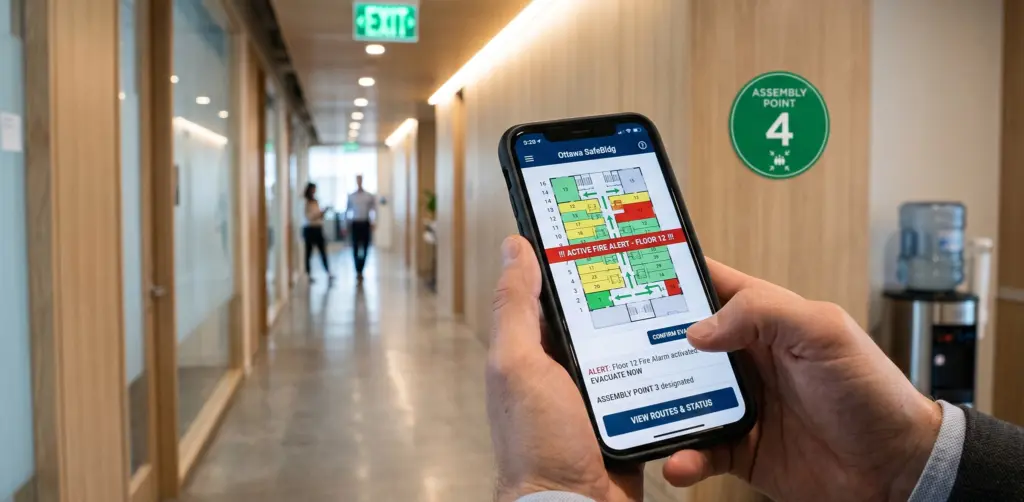
Visual cues and digital systems are powerful tools for reinforcing safety awareness without overwhelming tenants. Strategically placed evacuation signage, clear assembly point markers, and easy-to-read floor maps create constant visual reminders of preparedness.
WPS’s evacuation signage and Occupant Emergency Guides are designed to make emergency information accessible at a glance. They complement digital platforms like the WPS Evac App, which provides mobile access to building plans, emergency contacts, and notification systems. Together, these tools bridge the gap between training and real-world response.
Technology also makes communication more efficient. With digital alerts, property managers can share real-time updates during drills or emergencies, track participation, and gather post-event data for improvement. When tenants see that information is timely and organized, confidence in management’s preparedness increases.
Celebrating Success and Sustaining Engagement
Building a safety-first culture isn’t a one-time initiative; it’s a continuous process that benefits from positive reinforcement. Recognizing participation and celebrating milestones helps sustain engagement over time.
Highlighting achievements, such as improved evacuation times or successful completion of safety audits, can motivate tenants and staff to stay involved. Sharing these outcomes in newsletters or meetings reinforces the message that collective effort leads to tangible results.
Maintaining engagement also requires leadership visibility. When property and facility managers actively support safety initiatives, it sends a clear signal that preparedness is a shared priority.
Periodic refreshers, updated signage, and consistent use of digital communication tools ensure that awareness remains high, even as tenants and staff change over time.
Leading by Example in Building Safety
Creating a safety-first culture in multi-tenant buildings requires consistent leadership, open communication, and smart use of technology. When property managers invest in training, transparency, and tenant engagement, they move beyond compliance toward genuine preparedness.
Safety culture is built on trust, and trust is earned through visible action, not policy alone. By aligning people, communication, and digital tools, property and facility managers can create environments where every occupant feels informed, confident, and supported.
Discover how WPS can help you cultivate a safety-first culture that builds confidence, compliance, and long-term tenant trust.