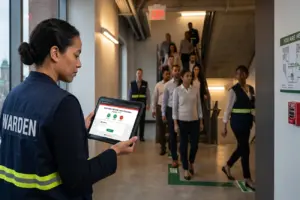
Developing a multi-hazard emergency plan is crucial because emergency preparedness is no longer limited to fires, floods, or power outages. Modern buildings face a complex web of potential threats, from bomb threats and cyber incidents to pandemics and severe weather events. Each of these hazards requires coordinated emergency procedures that go beyond traditional safety measures.
A comprehensive multi-hazard emergency plan ensures your organization is ready for any scenario by integrating a thorough risk assessment of all natural, human, and technological risks into a unified strategy aligned with the Incident Command System. This guide explores how property managers and facility leaders can modernize their emergency plans to align with today’s realities, strengthen compliance, and protect both people and operations.
Understanding the Modern Multi-Hazard Approach
A multi-hazard emergency plan takes a holistic view of risk. Instead of treating each type of incident in isolation, it unites all procedures under a single framework, ensuring consistent command, communication, and coordination.
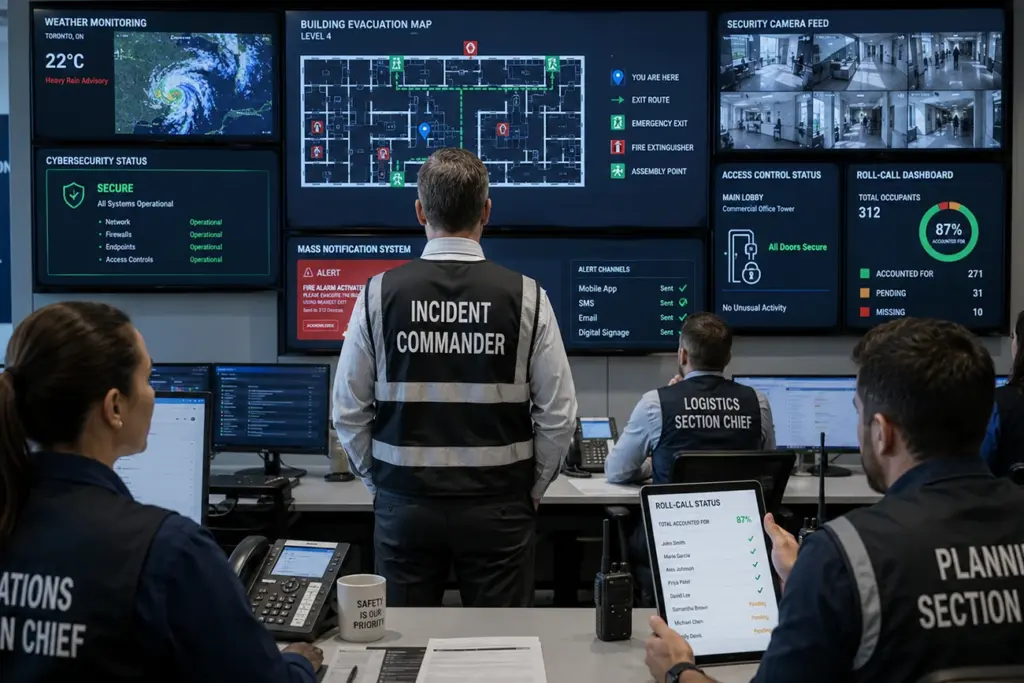
This approach aligns with the Incident Command System (ICS) model, providing a scalable structure that works for minor disruptions or full-scale emergencies. It defines clear leadership roles, streamlines information sharing, and enables faster decision-making under pressure.
For property managers, this means having one plan that can adapt to multiple situations, from fire alarms to cyber disruptions or public health events, while maintaining clarity and control.
Why a Single-Scenario Plan Is No Longer Enough
The modern risk landscape is more unpredictable than ever. Beyond natural disasters, organizations must now plan for:
- Human-caused incidents such as bomb threats, workplace violence, or civil unrest.
- Technological failures including system outages, cybersecurity breaches, or utility disruptions.
- Health emergencies like pandemics or localized outbreaks that affect occupancy and operations.
Relying on outdated or single-purpose emergency plans leaves gaps that can cost valuable time and increase liability when an unexpected crisis occurs. A multi-hazard plan eliminates these blind spots by standardizing procedures for communication, evacuation, and recovery across all threat types.
Building the Foundation, Risk Assessment and Prioritization
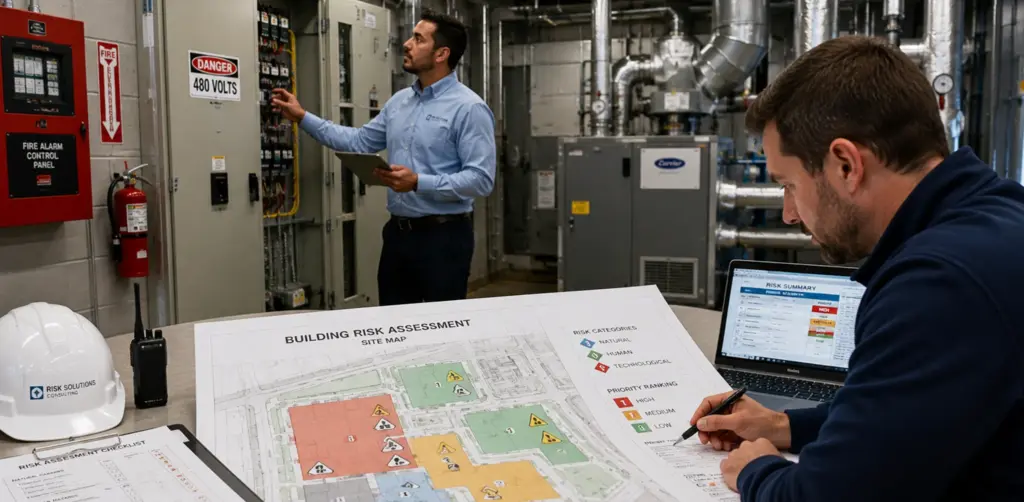
The first step in developing a robust plan is a comprehensive risk assessment. This process identifies likely hazards based on your building type, location, and occupancy patterns.
WPS’s planning framework helps property teams:
- Conduct threat assessments that account for natural, human, and technological risks.
- Evaluate vulnerabilities in building systems, operations, and tenant activities.
- Prioritize mitigation strategies based on potential impact and likelihood.
This ensures your emergency plan is not only compliant but also tailored to your site’s unique realities.
Designing an All-Hazard Response Framework
Once key risks are identified, the next step is to build response protocols that are flexible yet standardized. A strong multi-hazard plan should include:
- Clear chain of command following ICS principles.
- Defined communication procedures for both internal teams and external responders.
- Evacuation and shelter-in-place procedures adaptable to multiple threat types.
- Specific guidance for Persons Requiring Assistance (PRA).
- Continuity and recovery steps for post-incident operations.
WPS integrates these elements into customized emergency plans that align with municipal and provincial codes, ensuring regulatory compliance while supporting efficient execution during any crisis.
Training and Awareness, Turning Plans Into Action
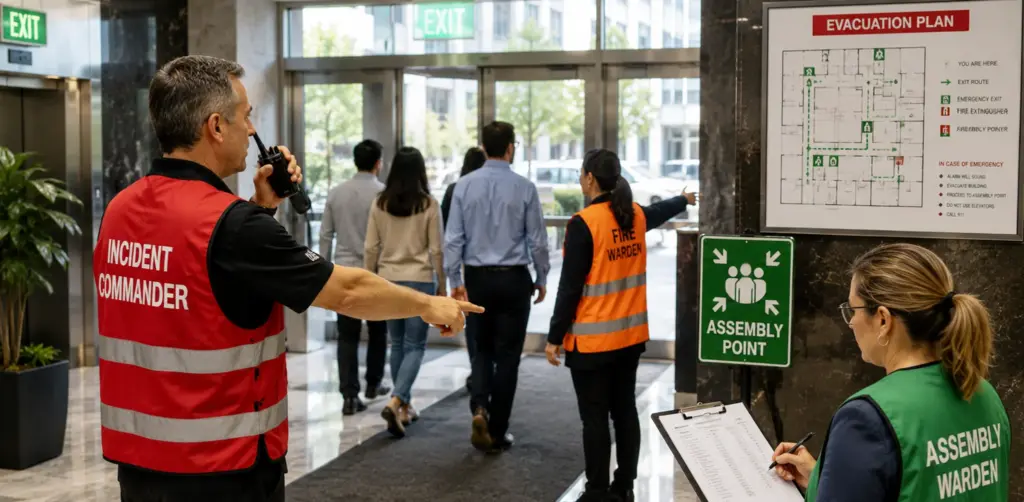
A plan is only as strong as the people who carry it out. Regular training and drills ensure that every team member understands their role during different types of emergencies.
WPS offers instructor-led and on-demand training programs that prepare staff for multiple hazards, covering everything from evacuation coordination and communication procedures to health safety and incident reporting.
Training also reinforces leadership alignment under the Incident Command System, helping building teams stay calm, organized, and responsive when time matters most.
Leveraging Technology for Multi-Hazard Readiness
Digital tools are now indispensable in emergency management. Platforms like WPS Evac Software and the WPS Evac App help property managers centralize critical information, manage alerts, and monitor team accountability in real time.
- eNotifire allows for instant mass notifications across floors or sites.
- Roll Call provides real-time occupant tracking and status updates.
- Digital plans ensure the latest procedures and contact lists are always accessible.
Technology bridges the gap between planning and execution, allowing teams to act quickly and document compliance during any incident.
Keeping Plans Current and Compliant
A multi-hazard plan should evolve with your building and the changing risk landscape. Regular reviews and updates ensure that new tenants, system changes, or emerging threats are reflected in your documentation.
WPS supports property teams through annual plan reviews, code updates, and digital version control, ensuring your emergency framework remains compliant, current, and ready for inspection.
From Preparedness to Resilience
True emergency readiness means more than meeting compliance, it’s about creating resilience. A well-developed multi-hazard plan protects people, minimizes downtime, and demonstrates a proactive commitment to safety.
By combining comprehensive planning, ongoing training, and smart technology, you can ensure your building is ready to handle whatever comes next, confidently and compliantly.
Discover how WPS’s multi-hazard planning, training, and digital tools can help your team build resilience and ensure readiness for every threat.