Preparing for an emergency fire safety inspection can feel overwhelming, especially when multiple regulations, systems, and stakeholders are involved. Whether you manage a single property or a portfolio of buildings, compliance isn’t just about passing inspections; it’s about maintaining a safe, efficient, and resilient environment year-round.
This step-by-step guide outlines how to prepare your building for fire and life safety inspections, with actionable tips for documentation, signage, and training that align with current U.S. and Canadian standards.
Step 1. Review All Fire and Life Safety Documentation
Inspectors will often begin by asking for your building’s fire safety plan, evacuation procedures, and recent maintenance records. Missing or outdated documents are among the most common causes of compliance delays.
Ensure the following are current and easily accessible:
- Fire safety plan and floor diagrams
- Fire alarm and sprinkler inspection reports
- Equipment testing logs (NFPA 25, NFPA 72, or local equivalents)
- Training attendance records for staff and tenants
Centralizing these records through a digital compliance platform allows authorized personnel to update and retrieve documents instantly, eliminating misplaced paperwork and version confusion. (In Canada, ensure documentation aligns with the National Fire Code or applicable provincial requirements.)
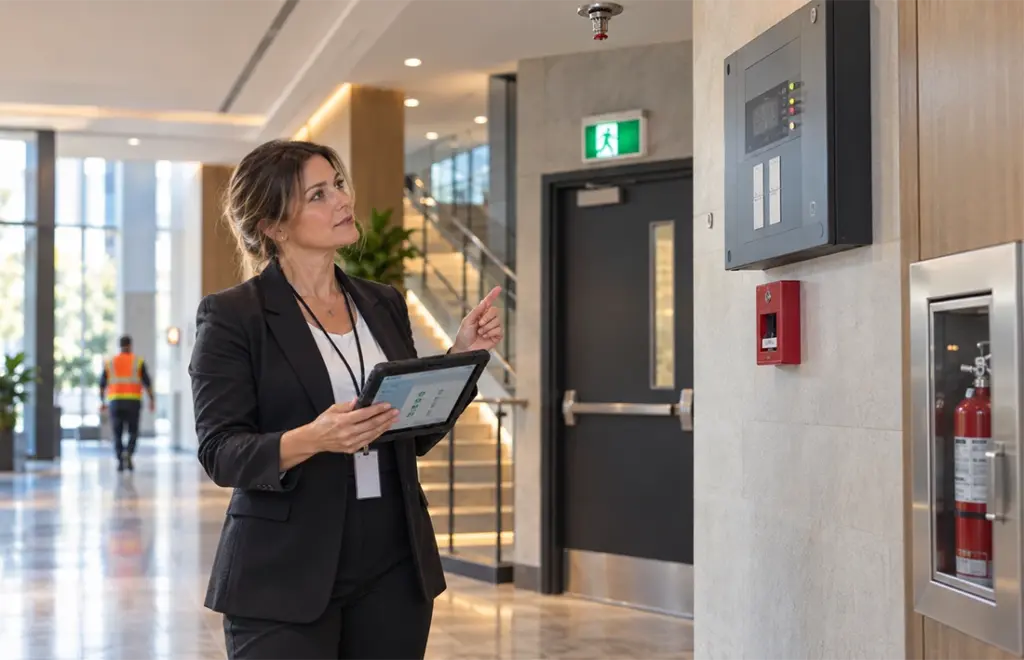
Step 2. Inspect Exit Routes and Signage
Blocked exits, burned-out emergency lights, or missing signage are frequent violations during inspections. Every exit route must be clearly marked, unobstructed, and illuminated in accordance with fire code.
Before inspection day:
- Walk every floor to confirm exit paths are clear and visible.
- Check that illuminated exit signs function during power loss.
- Verify that stairwell doors open freely without special tools or keys.
A digital checklist can streamline this process, helping property and facility teams document findings, schedule repairs, and maintain a historical record of compliance.
Step 3. Test Safety Equipment and Alarm Systems
Fire alarms, sprinklers, extinguishers, and emergency lighting all play critical roles in occupant safety. Fire safety inspections frequently uncover overdue testing or incomplete documentation for these systems.
To stay compliant:
- Follow maintenance schedules outlined in NFPA 25 and NFPA 72 (U.S.) or equivalent local codes.
- Record every inspection and test, including the name of the technician and completion date.
- Correct any deficiencies promptly and keep proof of follow-up actions.
Digital inspection tools help automate test reminders, store reports, and ensure no maintenance item is missed, supporting a more reliable and inspection-ready facility.
Step 4. Verify Training and Communication Procedures
Even with the right systems in place, your team’s preparedness is what ultimately determines safety. Inspectors may ask staff about evacuation procedures, alarm response, or designated responsibilities.
To prepare:
- Conduct regular fire drills and document participation.
- Provide refresher sessions for new and existing employees.
- Ensure all staff know evacuation routes, meeting points, and how to assist occupants with accessibility needs.
Cloud-based emergency management platforms make it easy to manage training programs, track participation, and communicate updates instantly, ensuring everyone knows what to do before, during, and after an emergency.
Step 5. Conduct a Mock Inspection
Before the official inspection, simulate the process internally. A mock inspection helps identify potential issues before they become citations and reinforces a proactive safety culture.
Include:
- Reviewing documentation and signage
- Testing alarms and emergency lighting
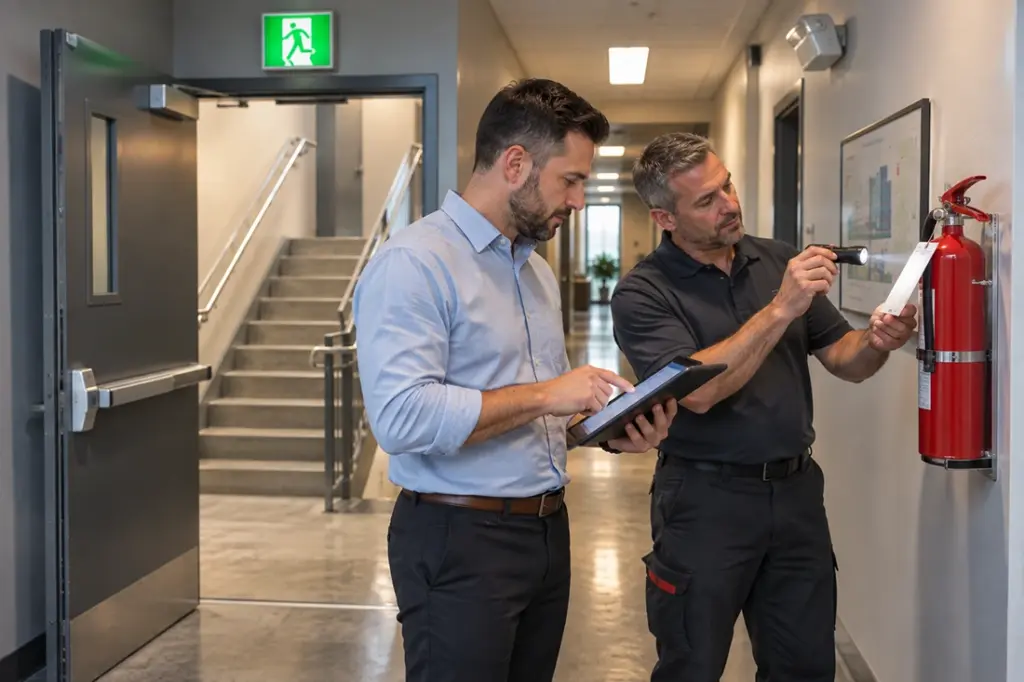
- Checking equipment tags and maintenance logs
- Walking evacuation routes and assembly points
Documenting these checks digitally creates a reliable record trail for your upcoming inspection and future audits.
Step 6. Engage With Local Authorities
Maintaining open communication with your local fire department or authority having jurisdiction (AHJ) can make compliance smoother. They can clarify code updates, provide recommendations, and even assist with pre-inspection evaluations.
Many organizations schedule annual consultations or walkthroughs with AHJs to stay ahead of code changes and demonstrate good faith in their compliance efforts.
Building a Culture of Continuous Readiness
Inspection readiness isn’t a one-time event, it’s an ongoing process that safeguards people, property, and business continuity. By integrating digital systems, structured documentation, and regular training, you can transform compliance into a predictable, manageable part of daily operations.
Modern emergency management platforms give property managers real-time visibility, automated recordkeeping, and streamlined communication across all aspects of preparedness, from training and inspections to reporting and corrective actions.
Discover how WPS’s digital compliance and safety solutions can help your organization stay inspection-ready, ensure ongoing code compliance, and create safer, more resilient buildings.