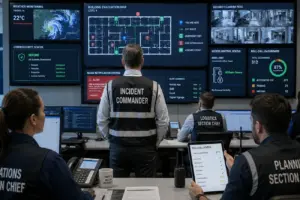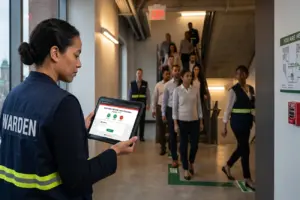

Managing emergency preparedness across several buildings can be an overwhelming task. Each property has its own layout, risks, occupancy levels, and compliance requirements. Yet, regional and national portfolio managers are expected to ensure that every location is ready for any emergency, fully compliant, and consistent with corporate safety standards.
Traditional, paper-based emergency plans make this nearly impossible to manage effectively. Centralized digital tools, like WPS Evac, now allow portfolio managers to simplify oversight, standardize emergency procedures, and maintain real-time visibility across multiple sites.
This guide explores practical strategies and technologies that help you coordinate multi-property emergency plans efficiently, while building a unified safety culture across your portfolio.
The Challenge of Multi-Property Emergency Management
Overseeing emergency readiness for multiple buildings comes with unique challenges. Each property may:
- Fall under a different jurisdiction or authority having jurisdiction (AHJ).
- Have different building systems, communication tools, and occupant types.
- Maintain its own version of emergency plans or outdated contact lists.
Without a centralized system, portfolio managers spend countless hours coordinating updates, verifying compliance, and managing training inconsistencies. The result is often fragmented data, duplicated work, and uncertainty during inspections or real emergencies.
Why Centralization Matters for Portfolio Safety Programs
A centralized emergency management framework unites all your properties under one consistent structure. This approach brings several measurable benefits:
- Standardized Procedures: Ensures every property follows uniform response protocols aligned with corporate safety goals.
- Centralized Compliance Tracking: Reduces time spent chasing documentation or verifying drill completion.
- Improved Communication: Enables consistent messaging across buildings and faster coordination during regional incidents.
- Scalable Oversight: Makes it easier to onboard new properties, update plans, and track performance over time.
When every building operates from a shared digital platform, portfolio managers can shift from reactive coordination to proactive safety leadership.
Building a Centralized Multi-Property Emergency Framework
The foundation of effective multi-property planning begins with defining clear standards and responsibilities. A successful framework should include:
- Unified Plan Templates: Create master templates that cover key elements like evacuation, shelter-in-place, communication, and incident command roles, which can then be adapted per site.
- Clear Chain of Command: Establish a corporate-level oversight role for emergency preparedness, with site-specific coordinators reporting into a structured hierarchy.
- Centralized Document Repository: Store all plans, records, and updates in one secure, digital location accessible to authorized personnel only.
- Consistent Training Requirements: Ensure that every property’s staff and wardens receive the same baseline training and periodic refreshers.
This consistency builds confidence across the organization, ensures faster responses during crises, and simplifies compliance audits at both site and portfolio levels.
Leveraging Technology for Multi-Property Oversight
Centralized technology solutions such as WPS Evac give portfolio managers the ability to monitor readiness and compliance across multiple locations in real time. Through a single dashboard, users can:
- View all emergency plans and documentation for each property.
- Track completion of drills, updates, and training sessions.
- Generate compliance reports instantly for corporate or AHJ reviews.
- Send mass notifications or instructions to specific sites or groups when required.
Digital systems also reduce manual errors, ensure version control, and make it easier to roll out updates or new procedures portfolio-wide. When regulations or internal policies change, revisions can be implemented across all sites simultaneously, saving significant time and effort.
Coordinating with Regional and Site-Level Teams
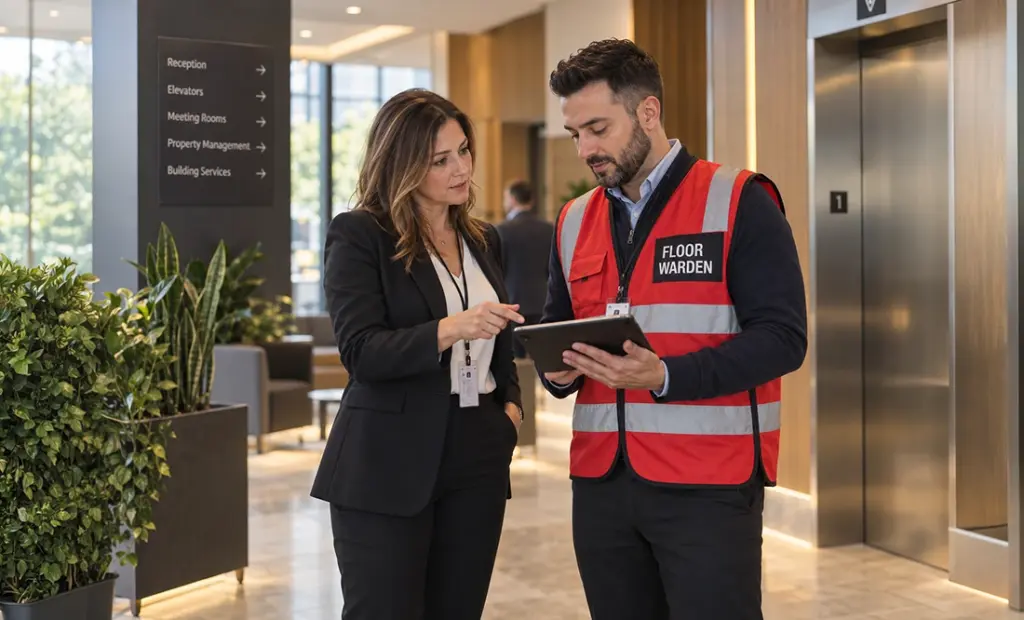
A multi-property safety program only succeeds when regional and site-level teams work together. Encourage alignment by:
- Establishing Clear Roles: Define responsibilities for corporate safety leads, property managers, and floor wardens.
- Conducting Regular Check-Ins: Schedule quarterly reviews to share updates, evaluate metrics, and discuss challenges.
- Providing Training Support: Use on-demand and instructor-led training options to reinforce procedures consistently across properties.
- Encouraging Feedback: Collect insights from on-site teams to improve processes and identify local risks that may affect other buildings.
This two-way collaboration keeps plans realistic and effective while promoting a shared commitment to safety throughout the organization.
Maintaining Compliance Across Jurisdictions
When properties span multiple cities, provinces, or states, staying compliant with local fire and life safety codes becomes more complex. A centralized approach simplifies this process by:
- Housing all documentation in one system for easy access during audits.
- Tracking jurisdiction-specific requirements within the same framework.
- Allowing corporate teams to monitor inspection schedules, plan revisions, and training completion.
Portfolio managers gain the ability to demonstrate corporate-wide accountability, proving that every property meets or exceeds local and national safety standards.
Using Data to Improve Portfolio-Wide Readiness
With centralized reporting tools, portfolio managers can turn data into insights. Performance metrics such as drill participation rates, training completion, or incident response times can highlight which properties need additional attention.
Regular data analysis also supports continuous improvement, helping organizations:
- Identify trends or recurring issues across multiple sites.
- Adjust training or communication strategies based on performance data.
- Measure the effectiveness of implemented changes over time.
By leveraging analytics, portfolio managers can make informed decisions that reduce risk and enhance preparedness organization-wide.
From Oversight to Leadership in Safety Management
Streamlining emergency planning across multiple properties does more than improve efficiency, it builds trust and resilience. With the right framework, technology, and communication practices in place, portfolio managers can ensure every building under their care operates with the same high standard of readiness.
Modern safety leadership is about visibility, accountability, and proactive planning. Centralized digital tools like WPS Evac empower portfolio managers to manage emergencies with precision, reduce administrative burden, and demonstrate true commitment to life safety.
Discover how WPS’s centralized emergency planning solutions can help you manage multi-property portfolios with greater consistency, efficiency, and confidence.