
Albuquerque Fire Safety Plans and Multi-Hazard Plans
WPS helps Albuquerque property managers, building owners, and facility leaders strengthen compliance and emergency readiness with building-specific fire safety plans and multi-hazard emergency plans tailored to commercial, multifamily, mixed-use, and high-rise buildings.
If you are searching for fire safety plans in Albuquerque, the key question is not simply whether your building has emergency documentation. It is whether your procedures reflect your actual building layout, staffing model, occupant mix, evacuation realities, and the local risks that can complicate response in Albuquerque, including wildfire smoke, extreme heat, monsoon-related flooding, power disruption, and industrial smoke incidents.
Trusted by property managers across North America











Albuquerque Fire Safety Plans for Buildings
In Albuquerque, a fire safety plan is more than a document to keep on file. For many commercial, multifamily, mixed-use, and high-rise properties, it is part of a broader life-safety responsibility shaped by the City of Albuquerque Fire Code, Fire Marshal oversight, and the practical realities of how people use the building every day.
Applicable buildings may need clear emergency procedures, assigned responsibilities, staff training, drills, and documentation that can actually support response during an incident. That matters in a city where building operations can be affected not only by fire events, but also by smoke intrusion, severe weather, utility interruptions, and changing occupancy conditions.
For Albuquerque property managers, the real value of a fire safety plan is practical use. A plan should help people respond clearly under pressure, support communication with occupants, and reflect what the building can realistically do during both business hours and lower-staffing periods.
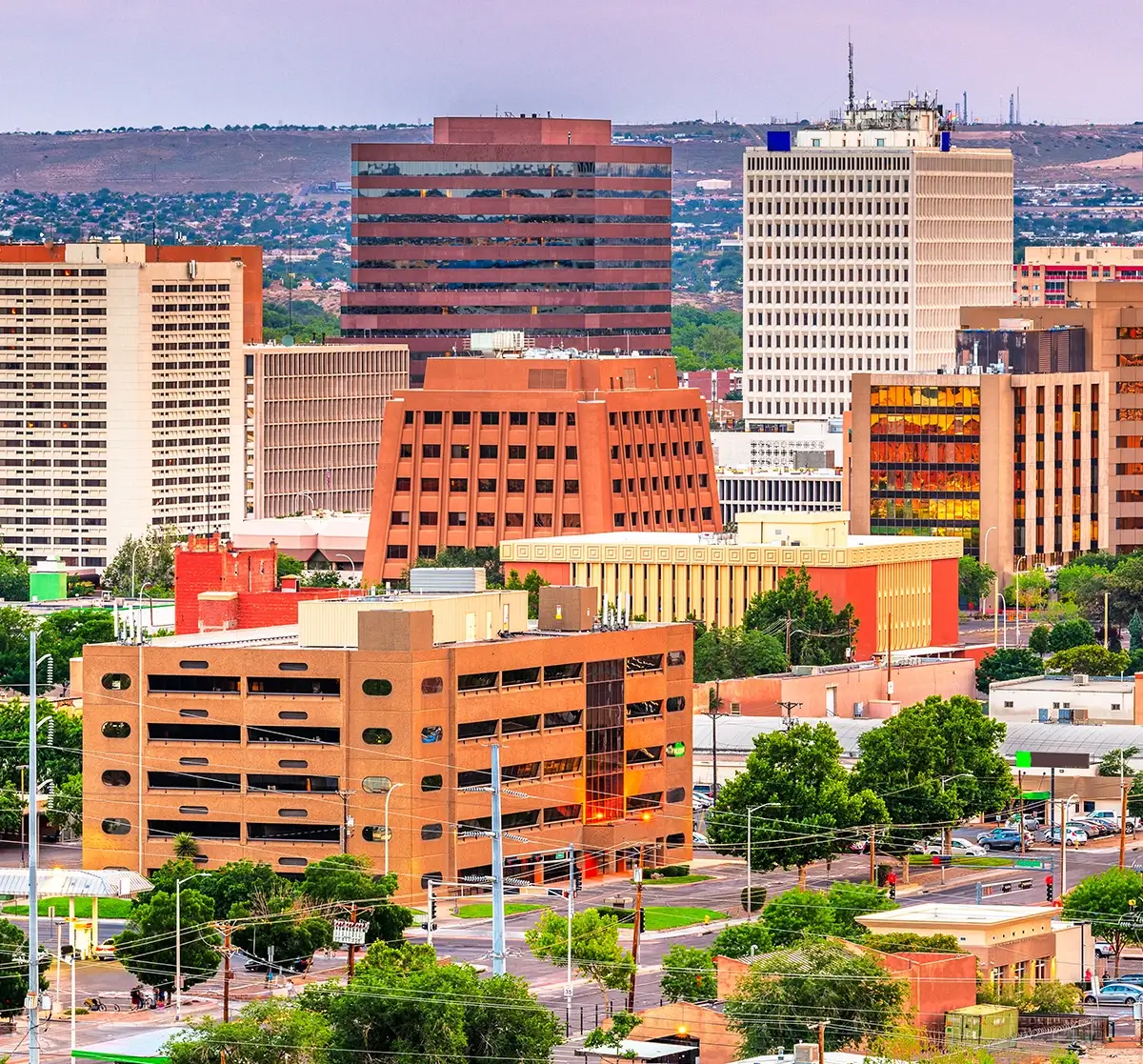
Why Fire Safety Planning Is More Operationally Complex in Albuquerque
In Albuquerque, the challenge is rarely just producing a fire plan. The challenge is creating emergency procedures that match how the property actually functions, how occupants move through it, how staff communicate during an incident, and how local conditions can complicate normal evacuation or response.
A downtown office building, mixed-use property, apartment community, industrial site, or multi-tenant commercial building can all create different planning pressures. Generic templates usually miss those details. Effective planning has to reflect the building itself, the people inside it, and the local operating environment.
Dry Climate and Smoke Exposure
Albuquerque buildings may face wildfire smoke or industrial smoke events that affect indoor air quality, visibility, occupant comfort, and shelter-in-place communication.
Heat and Utility Stress
Extreme heat can affect vulnerable occupants, strain HVAC systems, and increase the importance of backup communication and continuity planning during outages.
Monsoon Flooding and Access
Heavy summer storms can create localized flooding, arroyo hazards, and access disruptions that affect evacuation routes, staff travel, and emergency coordination.
Mixed Occupancy Operations
Buildings with multiple tenant types, public-facing areas, or after-hours operations often need clearer role assignment, communication steps, and building-specific procedures.
Fire Safety Plan Services in Albuquerque
Fire Safety Plans
Building-specific fire safety plans designed to support code compliance, life safety, and clear emergency procedures for Albuquerque buildings.
Multi-Hazard Plans
Emergency plans that go beyond fire safety and help Albuquerque buildings prepare for a broader range of incidents that affect occupant safety and building operations.
What Albuquerque Property Managers Are Actually Deciding
When a building needs a fire safety plan, the decision is usually bigger than whether a document exists. Property managers and building owners are often deciding whether their procedures are current, whether staff roles are clear enough to carry out the plan, whether local code expectations are being addressed properly, and whether broader emergency risks now justify a more complete planning approach.
In Albuquerque, that decision can be more complex because the same building may need to account for smoke events, heat, seasonal storm impacts, changing tenant use, after-hours conditions, and the practical limits of staffing during an emergency. A plan can look complete on paper and still be difficult to use in practice.
A plan can be technically present and still operationally weak.
Fire Safety Plan Requirements in Albuquerque
In Albuquerque, fire safety planning requirements are shaped by the City of Albuquerque Fire Code, Fire Marshal oversight, and emergency planning provisions that focus on reporting, evacuation procedures, training, and drills. At a high level, applicable buildings may be required to maintain clear emergency procedures, designated responsibilities, employee training, and current documentation that supports an organized response during a fire or other emergency.
For many properties, emergency plans are not just about having written instructions. Fire safety plans, emergency procedures, and employee training programs may need approval by the fire code official where required, and annual fire inspections may apply to existing buildings that operate under fire permits or have fire protection systems installed.
For Albuquerque property managers, that often means the plan needs to do more than satisfy a paperwork requirement. It should reflect how occupants actually move through the building, how communication is handled during emergencies, where assistance may be needed, and how responsibilities are assigned during both normal operations and lower-staffing periods.
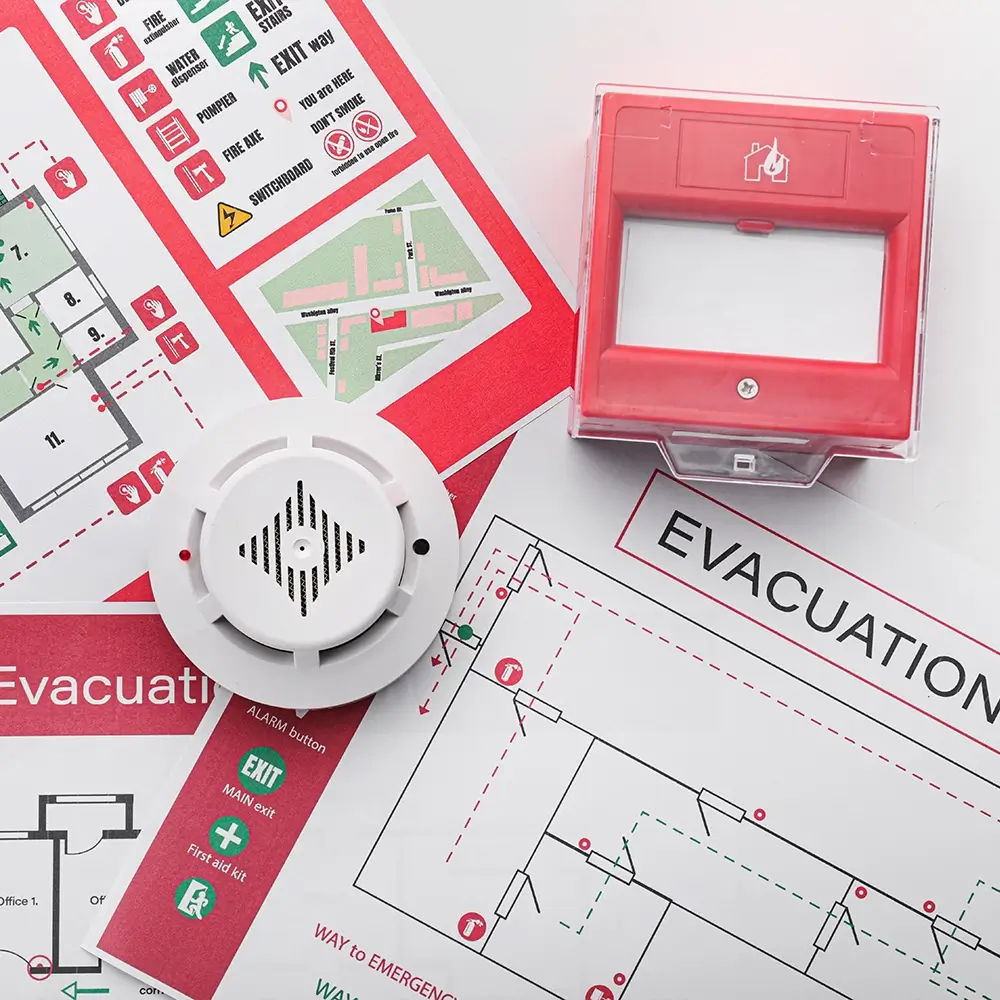
What an Albuquerque building fire safety plan often needs to address
- Building-specific evacuation procedures
- Roles for supervisory staff and designated personnel
- Occupant communication steps
- Coordination with alarm activation and fire department notification
- Procedures for business and nonbusiness hours
- Training, drills, and updates when building conditions or tenancy change
Why Generic Fire Safety Plans Often Fall Short
A generic plan may describe what a building should do during an emergency, but that does not mean it reflects how your Albuquerque property actually operates. If the plan does not match the building layout, occupancy mix, staffing structure, communication flow, or local hazard profile, it may be harder to use when it matters most.
For many property managers, the issue is not whether some documentation exists. The issue is whether the plan is current, practical, and specific enough to support implementation. That is especially important in Albuquerque, where smoke conditions, seasonal storms, heat, and access issues can complicate a standard fire-only response.
Generic Template vs Building-Specific Planning
Standard
Generic Template Plan
- broad language
- limited local relevance
- weaker operational fit
- harder to maintain in practice
★ Recommended
Building-Specific Plan
- property-based procedures
- clearer staff roles
- stronger local relevance
- better implementation value
Why Multi-Hazard Planning Matters in Albuquerque
In Albuquerque, emergency readiness often requires more than a fire-only approach. Wildfire smoke from fires in New Mexico and surrounding states can affect visibility, indoor air quality, and occupant comfort even when the fire is far from the property. Industrial fire or smoke incidents can create localized health concerns and temporary operating disruption. Extreme heat can increase strain on building systems and create added risk for vulnerable occupants. Summer monsoon storms can create flash flooding, arroyo hazards, and temporary access issues. Utility interruptions and Public Safety Power Shutoff planning in the region also reinforce the need for broader preparedness.
A multi-hazard emergency plan helps property managers prepare for these overlapping operational realities. Instead of treating each event as separate, it creates a more coordinated structure for response, communication, designated roles, and occupant guidance across a wider range of incidents.
Wildfire Smoke
can affect indoor air quality, occupant messaging, and whether shelter-in-place steps are needed even when the fire is not nearby
Extreme Heat
can affect vulnerable occupants, HVAC performance, and operational decision-making during prolonged high temperatures
Monsoon Flooding
can affect site access, parking areas, lower-level spaces, arroyo-adjacent routes, and continuity planning
Power Outages
can disrupt lighting, communications, access control, and building systems during emergencies
Industrial or Local Smoke Events
can affect air quality, tenant communication, and building operations on short notice
What Building-Specific Planning Should Cover
A useful fire safety or multi-hazard plan should be tailored to how the property actually functions. That includes not only code-related procedures, but also the operational realities that affect emergency response in the building.
Building layout and egress realities
Procedures should reflect the actual exits, stairwells, corridors, access points, and circulation limits of the property.
Staff roles and emergency responsibilities
Designated personnel should understand what they are responsible for before, during, and after an incident.
Occupant communication
Buildings need clear procedures for informing tenants, visitors, residents, contractors, and staff during emergencies and drills.
After-hours and low-staffing conditions
Emergency procedures should remain usable when staffing levels are lower or occupancy patterns are different.
Local hazard overlap
In Albuquerque, planning may need to account for smoke events, extreme heat, storm-related access disruption, and outage conditions that affect normal response.
Need Emergency Training For Your Albuquerque Buildings?
A plan is most effective when the people responsible for carrying it out clearly understand their roles. WPS also offers instructor-led and on-demand emergency training for Albuquerque buildings, helping supervisory staff and other key personnel respond with more confidence during drills and real incidents.
Training helps close the gap between documented procedures and real implementation. For many Albuquerque buildings, that matters just as much as having the plan itself.
Why Albuquerque Property Managers Choose WPS
From compliant fire safety plans to multi-hazard emergency procedures, instructor-led training, and emergency management software, WPS delivers a complete, integrated approach to building safety.
40+ Years
of experience in fire and life safety
End-to-End
planning, training, and software support
Building-Specific
plans tailored to real property operations
Practical Readiness
focused on implementation, not paperwork alone
WPS helps property managers move beyond static documentation by combining planning, training, and software into a more usable emergency readiness program. For Albuquerque buildings, that means stronger alignment with local code context, better support for mixed occupancies and multifamily operations, and more practical preparation for both fire and non-fire emergencies.
Frequently Asked Questions About Fire Safety Plans in Albuquerque
Do I need a fire safety plan in Albuquerque for my building?
Many Albuquerque buildings may be required to maintain fire safety and emergency procedures depending on occupancy, size, use, fire protection systems, and local enforcement context. Commercial buildings and multifamily properties under Fire Marshal jurisdiction often need current planning, training, and inspection readiness. The most practical next step is to review your building type, operations, and current documentation against local requirements.
What is a fire safety plan for an Albuquerque building?
A fire safety plan is a building-specific document that explains what occupants and designated staff should do during a fire emergency. It typically covers evacuation procedures, assigned responsibilities, communication steps, alarm response, and other actions needed for an organized response.
Who enforces fire code requirements in Albuquerque?
In Albuquerque, the Fire Marshal's Office within Albuquerque Fire Rescue enforces the City Fire Code for commercial buildings and multifamily dwellings in its jurisdiction, including plan review, inspections, and fire and life-safety enforcement.
What is a multi-hazard emergency plan?
A multi-hazard emergency plan expands planning beyond fire response. For Albuquerque properties, that may include procedures for wildfire smoke, extreme heat, storm-related flooding, utility disruption, hazardous materials concerns, or other incidents that affect occupant safety and building operations.
How often should a fire safety plan be reviewed or updated?
Fire safety plans should be reviewed regularly and updated whenever building conditions, staffing, tenancy, layouts, or operations change. In Albuquerque, keeping emergency procedures current is especially important for buildings with changing tenant use, mixed occupancies, or seasonal risks that affect operations.
Why is building-specific planning important in Albuquerque?
Albuquerque buildings often have different occupancy patterns, staffing realities, access conditions, and local hazard exposures. A generic template may not reflect how the building actually functions during a fire alarm, smoke event, outage, or severe weather disruption. Building-specific planning improves practical response, role clarity, and occupant safety.
How do I get a fire safety plan or multi-hazard plan for my Albuquerque building?
The process usually starts with reviewing the building type, occupancy, current documentation, operational needs, and local code context. From there, WPS can help develop a building-specific plan that supports compliance and improves emergency readiness.
Albuquerque fire safety plans help building owners, property managers, and facility leaders document emergency procedures, assign responsibilities, support code compliance, and improve emergency response. For many Albuquerque buildings, broader multi-hazard planning is also valuable because local operational risks can include wildfire smoke, extreme heat, monsoon-related flooding, power disruption, and industrial smoke events.
Need Fire Safety Plans in Albuquerque?
WPS helps Albuquerque property managers, building owners, and facility leaders improve compliance, strengthen emergency preparedness, and reduce operational risk with practical fire safety planning and multi-hazard plans tailored to their buildings.
Complete the form below, and a WPS representative will contact you with the next steps.