
Emergency Training In Albuquerque
WPS helps property managers, building owners, facility teams, and operations leaders in Albuquerque improve emergency preparedness with practical, building-specific training for commercial, multi-family, mixed-use, and high-rise properties.
The real question is not whether your building has procedures on paper. It is whether the right people know what to do when an alarm activates, smoke conditions change, elevators are affected, or a disruption starts unfolding after hours.
Trusted by property managers across North America












Emergency Training in Albuquerque
In Albuquerque, emergency training often needs to do more than review basic evacuation steps. Many buildings depend on designated people to make decisions quickly, communicate clearly, direct occupants, support people needing assistance, and coordinate with building operations when normal routines break down.
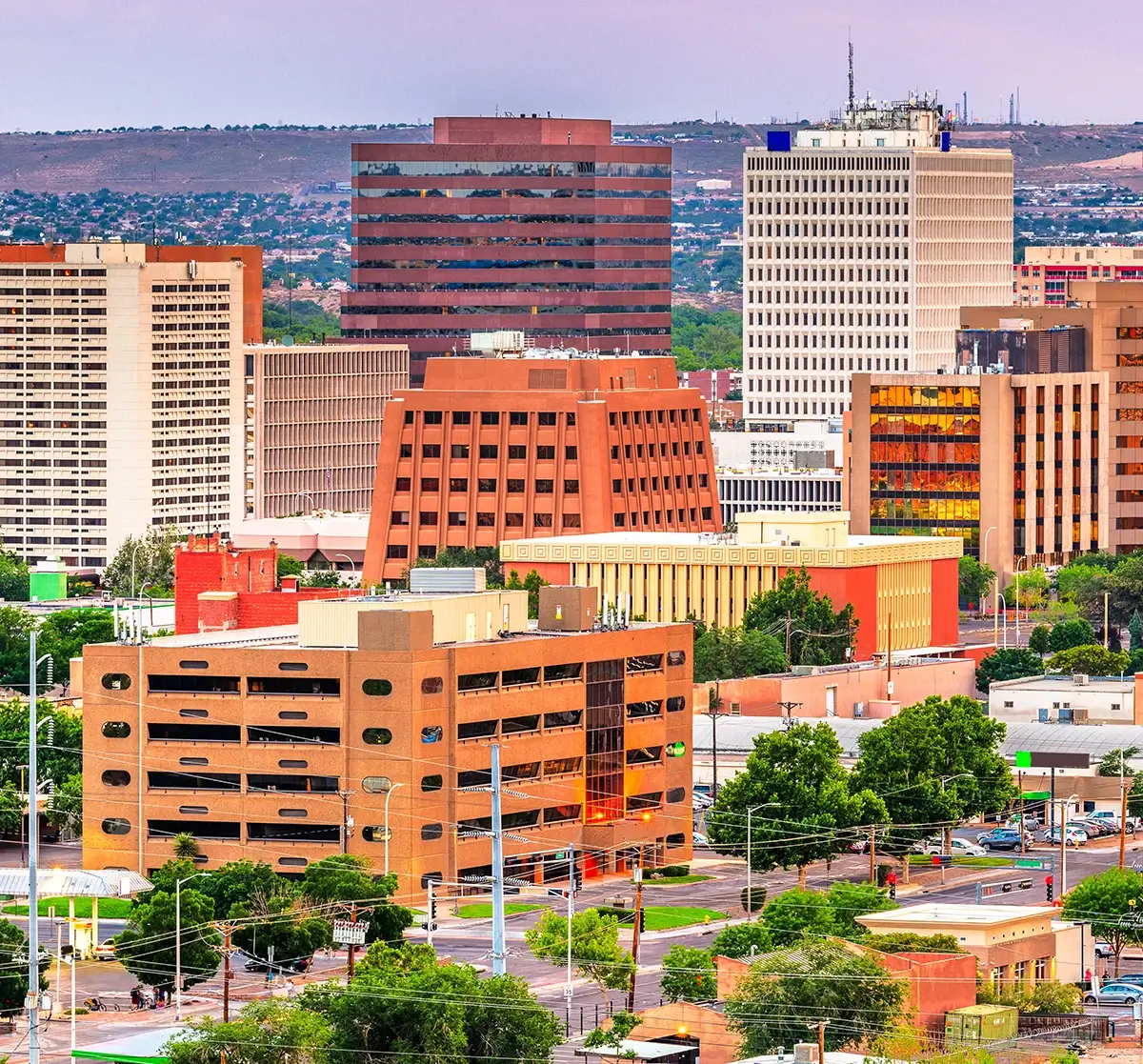
That matters in Albuquerque because local building conditions and local hazards add real complexity. Downtown towers, medical and office properties, mixed-use developments, multi-family communities, industrial sites, and large commercial buildings may need personnel who understand not only fire procedures, but also how to respond when heat, wildfire smoke, monsoon weather, utility interruptions, or after-hours staffing conditions change how the building can operate.
Why Emergency Training Is More Operationally Important in Albuquerque
In many Albuquerque buildings, preparedness starts to look less certain the moment someone asks a simple question: if something happens right now, who is doing what?
That is where the gap often appears between having a fire safety plan and being able to carry it out. Emergency training matters because Albuquerque properties often involve multiple tenants, mixed staffing patterns, varying occupancy, vertical movement, and environmental conditions that can shift fast. When responsibilities are unclear, communication breaks down, or designated personnel are underprepared, a manageable event can become a much bigger operational problem.
High-Rise and Vertical Complexity
Albuquerque has a meaningful high-rise inventory, and tall buildings create more demanding evacuation, stairwell coordination, communication, and role assignment challenges than lower-complexity properties.
Multi-Team Coordination
In many Albuquerque properties, emergency response depends on coordination between property management, engineering, security, front desk teams, tenant representatives, and designated floor or fire wardens.
All-Hazards Reality
Training in Albuquerque may need to prepare personnel for fire response alongside heat, wildfire smoke, monsoon storms, utility disruptions, and changing air quality or access conditions.
Turnover and Coverage Gaps
If supervisory staff or wardens change, training needs to be easy to refresh, document, and repeat so the building does not lose readiness with each staffing change.
Emergency Training Services in Albuquerque
Instructor-Led Emergency Training
Live emergency training tailored to your Albuquerque building, your procedures, and your designated personnel. Best for properties that need discussion, walkthroughs, role clarification, and building-specific guidance tied to real operating conditions.
On-Demand Emergency Training
Flexible online emergency training that helps Albuquerque property teams handle onboarding, refresher training, completion tracking, and turnover without losing consistency.
What Albuquerque Property Managers Are Actually Deciding
When an Albuquerque building needs emergency training, the real decision usually is not whether training should happen. It is whether the building’s people are actually ready, and if not, what is the most practical way to fix that without creating more operational drag.
Property managers are often weighing several issues at once: whether current procedures are usable, whether fire wardens and supervisory staff understand their roles, whether the building is ready for drills or inspections, whether after-hours coverage is realistic, and whether the current setup will still hold together after turnover, tenant changes, or a real incident.
That is why training format matters. Some Albuquerque buildings need instructor-led sessions because the property is more complex and the team needs real discussion around procedures, communication, and building operations. Others also need on-demand training because schedules are messy, people change, and keeping records organized matters almost as much as delivering the training itself.
A lot of buildings are not under-prepared because nobody cares. They are under-prepared because nobody has translated the plan into something people can actually carry out under pressure.
Emergency Training Requirements in Albuquerque
In Albuquerque, emergency training requirements are generally shaped by the City of Albuquerque Fire Code, Albuquerque Fire Rescue and Fire Marshal oversight, and applicable New Mexico fire code provisions on emergency planning, drills, and employee training. At a high level, buildings that require fire safety and evacuation plans may also need trained personnel, documented procedures, drills, and employee instruction that reflects the approved plan, not just a binder on file.
The exact requirement can vary by occupancy, building type, size, fire protection features, and local code application. That means the right training approach is not identical across every Albuquerque building. But for many commercial, multi-family, mixed-use, and high-rise properties, emergency training is part of both readiness and compliance.
New Mexico fire code provisions on emergency planning and preparedness are clear on an important point: where plans are required, employee training and evacuation drills are tied to those plans. In practical terms, that means designated personnel need to understand their duties, alarms, evacuation routes, communication procedures, and how the plan is supposed to work in the actual building.
Albuquerque also places real authority at the local level. The Albuquerque Fire Marshal’s Office enforces the city fire code, inspects commercial buildings and multi-family dwellings within its jurisdiction, and generally mandates annual inspections for existing buildings that require fire permits or have fire protection systems installed. Albuquerque Fire Rescue also offers business fire safety presentations that include fire warden and evacuation training, which reinforces that local authorities expect emergency procedures to be understood and used.
What Emergency Training in Albuquerque Often Needs to Cover
- Building-specific evacuation and relocation procedures
- Roles for supervisory staff, fire wardens, deputy wardens, engineering, security, and operations personnel
- Alarm signals, occupant communication, reporting expectations, and coordination with emergency responders
- Procedures for persons requiring assistance where applicable
- Drill readiness and refresher needs where required by the building’s occupancy or emergency plan
- Updates when staffing, floor use, tenancy, or procedures change
Why Generic or One-Time Training Often Falls Short
Generic emergency training can sound fine in a room and still fail in the building. If it does not reflect the actual layout, alarm behavior, staffing structure, tenant mix, communication flow, after-hours coverage, and emergency roles of your Albuquerque property, it may not help much when people need to act quickly.
One-time training also tends to age badly. People leave. New wardens step in. Tenants change. Procedures get revised. Utilities fail. Seasonal conditions shift. The building evolves, but the training often does not. That is how a property ends up technically covered, but practically exposed.
Generic Training vs Building-Specific Emergency Training
Generic Training: broad information, weak fit to the property, limited role clarity, less useful under pressure, harder to maintain across staffing changes
Building-Specific Training: clearer responsibilities, stronger operational fit, better refresher value, easier implementation, and more confidence during drills and real incidents
How Local Hazards and Building Conditions Shape Training Needs in Albuquerque
Emergency training in Albuquerque should reflect local conditions, not generic theory. The city uses an all-hazards emergency management approach, and local planning emphasizes coordinated response across communications, utilities, public protection, fire, law enforcement, and emergency operations. For building decision-makers, that matters because emergencies do not always show up as a simple fire alarm and a clean evacuation.
In Albuquerque, training may need to prepare designated personnel for overlapping issues: extreme heat that affects occupant movement and outdoor assembly, wildfire smoke that changes air quality and messaging, monsoon-season weather that affects visibility and access, utility disruptions that affect elevators, lighting, HVAC, entry systems, and communications, and after-hours conditions when fewer trained people are onsite.
Heat and Outdoor Exposure
Albuquerque’s summer heat can affect assembly areas, occupant endurance, and how long people can safely remain outside during evacuations or extended incidents.
Wildfire Smoke and Air Quality
Smoke events can complicate normal evacuation assumptions, change occupant messaging, and create operational questions about indoor air quality, sheltering, and movement.
Utility Disruptions
Power, communications, HVAC, and elevator interruptions can quickly change how an Albuquerque building manages alarms, access, accountability, and occupant direction.
Monsoon and Storm Conditions
Seasonal storms can affect visibility, access routes, drainage areas, staffing reliability, and coordination during an incident.
High-Rise Conditions
Albuquerque Fire Rescue has identified about 50 high-rise buildings and recently rebuilt its high-rise operating guidance around detailed preplanning, stairwell realities, and real building conditions.
After-Hours Operations
Many buildings operate very differently at night or on weekends, so training has to work when the onsite team is smaller and tenant representatives may not be available.
What Building-Specific Emergency Training Should Cover
A good Albuquerque emergency training program should answer the questions people ask in the first few seconds of an incident: What is happening? Who is in charge? What do I do now? Where do occupants go? Who needs help? How do we keep this from turning into confusion?
1. Building Layout and Egress Realities
Training should reflect the real exits, stairwells, assembly areas, elevator limitations, access control issues, and movement patterns of the property.
2. Roles for Designated Personnel
Property managers, engineers, security, front desk teams, fire wardens, deputies, and other assigned personnel should know exactly what they are responsible for.
3. Alarm and Communication Procedures
Personnel should understand alarm signals, voice communication, reporting steps, occupant direction, and how information should move during both expected and messy incidents.
4. Assistance and Accessibility Procedures
Where applicable, training should address assistance procedures, areas of refuge, mobility considerations, and how designated staff support people who may not be able to use stairs independently.
5. Low-Staffing and After-Hours Response
Emergency procedures should still work when occupancy is lighter, building teams are thinner, or only a limited number of trained personnel are onsite.
6. Local Hazard Overlap
In Albuquerque, training may need to account for how fire response interacts with heat, smoke, severe weather, outages, and operational disruptions that change normal decision-making.
Why Albuquerque Buildings Often Need More Than One Training Format
In many Albuquerque buildings, one training format is not enough. Live sessions help with walkthroughs, role clarity, procedure review, and building-specific discussion. On-demand training helps with onboarding, refreshers, schedule flexibility, and recordkeeping. Using both can make the overall emergency preparedness program easier to manage.
That is especially useful in multi-tenant, multi-building, high-rise, and mixed-use environments where responsibilities are shared across different people, vendors, and shifts. The more moving parts the property has, the more valuable it is to have training that is practical in the moment and easier to sustain over time.
Need Fire Safety Plans or Broader Emergency Procedures for Your Albuquerque Buildings?
Emergency training works best when it is built on clear, current procedures. If your Albuquerque building needs training but your fire safety plan or broader emergency procedures are outdated, too generic, or hard to apply in real conditions, the training can only go so far.
WPS also helps Albuquerque property managers with fire safety plans and broader multi-hazard emergency planning, so training is tied to a stronger operational foundation instead of trying to compensate for a weak one.
Why Albuquerque Property Managers Choose WPS
WPS gives Albuquerque building teams more than a training vendor. We provide a practical emergency readiness system that connects planning, training, documentation, and software in one approach.
40+ Years
of fire and life safety experience
Building-Specific
training built around your property, your procedures, and your emergency roles
Flexible Delivery
instructor-led and on-demand options for complex properties and ongoing refreshers
Technology-Driven
digital procedure access and training record support that make implementation easier
For Albuquerque property managers, that means less guessing, less scrambling, and less risk that the building looks prepared until the wrong moment proves otherwise. It means clearer roles, better follow-through, stronger documentation, and a more defensible emergency preparedness program.
Frequently Asked Questions About Emergency Training in Albuquerque
Do I Need Emergency Training in Albuquerque for My Building?
Many Albuquerque buildings do. The exact requirement depends on occupancy, building type, size, required plans, and local code application, but for many commercial, multi-family, mixed-use, and high-rise properties, trained personnel and usable emergency procedures are an important part of readiness and may also support compliance.
Who Should Receive Emergency Training in an Albuquerque Building?
That often includes supervisory staff, fire wardens, deputy wardens, property managers, building engineers, security personnel, operations staff, front desk teams, and others assigned emergency responsibilities. The right audience depends on the building and the plan.
What Is the Difference Between Instructor-Led and On-Demand Emergency Training?
Instructor-led training is better when the property is complex and the team needs discussion, walkthroughs, and role clarification. On-demand training is better for onboarding, refreshers, schedule flexibility, and completion tracking. Many Albuquerque buildings benefit from both.
Are High-Rise Buildings in Albuquerque Subject to More Specific Emergency Planning Expectations?
Often, yes. High-rise buildings commonly face more detailed expectations around fire safety and evacuation planning, designated personnel, drills, and operational coordination. The exact requirements depend on the building and the way local code is applied.
What Should Fire Warden Training in Albuquerque Cover?
It should usually cover alarm and communication procedures, floor responsibilities, evacuation routes, stairwell use, occupant direction, accountability expectations, assistance procedures where applicable, and coordination with building management during drills and real emergencies.
How Do Wildfire Smoke and Heat Affect Emergency Training in Albuquerque?
They can change how a building communicates with occupants, uses assembly areas, and balances evacuation with broader life safety concerns. In Albuquerque, smoke and extreme heat are practical operating conditions that can affect response decisions, especially in larger or more complex properties.
How Often Should Emergency Training Be Reviewed or Refreshed?
Training should be reviewed regularly and refreshed whenever procedures, staffing, floor use, tenant mix, building systems, or operating conditions change. Required drill cycles, inspections, and staff turnover are also common reasons to refresh training.
Do Albuquerque Property Managers Need to Think About Utility Disruptions in Emergency Training?
Yes. Utility disruptions can affect alarms, elevators, HVAC, lighting, access control, communications, and occupant instructions. For many Albuquerque buildings, emergency training should help designated staff respond when a building incident overlaps with a power or system problem.
How Do I Get Emergency Training for My Albuquerque Building?
The best starting point is reviewing your building type, current procedures, emergency roles, staffing model, and whether you need instructor-led training, on-demand training, or both. WPS can help you build the right approach from there.
Albuquerque emergency training is for property managers, building owners, facility teams, and operations leaders who need fire wardens, supervisory staff, engineers, security personnel, and other designated personnel ready to carry out emergency procedures. It matters in Albuquerque because commercial and multi-family properties may need to account for local fire code context, high-rise operations, heat, wildfire smoke, storms, utility disruptions, and after-hours staffing realities. WPS provides instructor-led and on-demand emergency training, plus planning and software support, to help Albuquerque buildings improve readiness, support compliance, and put procedures into practice.
Need Emergency Training in Albuquerque?
If your Albuquerque building has people with emergency responsibilities, do not wait for the next drill, inspection, staffing change, or real incident to find out where the gaps are.
WPS helps Albuquerque property managers and building owners put practical, building-specific emergency training in place so the people responsible know what to do before the pressure hits.
Complete the form below, and a WPS representative will contact you with next steps.