
The beginning of a new year presents an ideal opportunity to reset, refocus, and strengthen your building’s emergency preparedness. For property and facility managers, it’s the time to confirm that safety plans, emergency contacts, and compliance measures are up to date and effective. A proactive safety audit not only protects lives and property, it also builds trust among tenants and stakeholders that safety remains a top priority.
This comprehensive guide outlines how to conduct a New Year safety audit that goes beyond a checklist. It provides insights into modern compliance strategies, technology-driven tools, and best practices that make 2026 the year your building becomes safer, smarter, and better prepared.
Why the New Year Is the Ideal Time for a Safety Audit
The start of the year is a natural reset point. New budgets are approved, teams are restructured, and compliance cycles often renew. Conducting a safety audit during this period helps verify that all safety documentation, training schedules, and emergency plans reflect current regulations and building conditions.
Regular reviews identify gaps that may have developed over time, such as outdated contact lists, expired certifications, or changes in building occupancy. A well-timed audit in January helps you begin the year with confidence, knowing that your preparedness plan is both compliant and functional.
Reviewing and Updating Emergency Plans
An effective safety audit starts with a detailed review of your emergency response plan. Confirm that all evacuation routes, floor plans, and emergency contacts are accurate and accessible. If building layouts or tenant configurations have changed, update these documents immediately.
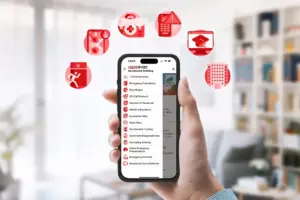
Emergency plans should also be reviewed against local fire codes and regulations, which can vary by jurisdiction. This ensures your building remains compliant and ready for inspection at any time. For multi-tenant or mixed-use properties, consider implementing centralized access to emergency plans through secure digital platforms, such as the WPS Evac Software and Mobile App, that make updates fast and compliant with documentation requirements.
Verifying Compliance and Documentation
Compliance requirements evolve regularly, and missing even small updates can lead to penalties or increased liability. Your annual safety audit should include verification that all reports, certifications, and inspection records are current.
Check the following:
- Fire alarm and suppression systems have been inspected and logged.
- Emergency lighting and signage meet current code requirements.
- All drills and training sessions have been documented properly.
- Regulatory filings and internal compliance reports are securely stored and easy to retrieve.
Automated compliance tracking systems, like those integrated into WPS’s digital safety platforms, make this process more efficient by reducing paperwork, automating reminders, and helping teams stay audit-ready year-round.
Strengthening Communication Systems
During any emergency, communication determines the speed and success of your response. Modern safety programs rely on mass notification systems that deliver clear, timely alerts to all occupants. The most effective systems support multiple channels, including SMS, email, and mobile notifications, to ensure messages reach everyone quickly.
Digital accountability tools, such as WPS’s Roll Call system, enhance occupant tracking and allow management teams to verify that everyone has safely evacuated and accounted for in real time. Regular testing and audits of these systems should be part of your annual review to verify reliability and coverage.
Training and Refresher Programs for 2025
Even the most comprehensive emergency plans lose effectiveness without trained personnel. Annual audits provide an excellent opportunity to schedule refresher training sessions for building staff and floor wardens.
These sessions should review evacuation procedures, communication protocols, and designated responsibilities during incidents. Consider conducting tabletop exercises or simulated drills, both of which WPS supports through customized training, to test staff readiness and coordination.
For tenants, digital training materials or brief orientation videos can help reinforce preparedness without disrupting daily operations. Consistent education fosters confidence and ensures everyone understands their role in maintaining safety.
Leveraging Technology for Efficient Planning
Technology has transformed how property managers approach safety management. Digital safety platforms now provide centralized systems for monitoring compliance, updating documentation, and streamlining communication.
Key advantages of these platforms include:
- Automated compliance tracking that alerts teams to upcoming inspections or deadlines.
- Centralized documentation for quick access during audits or emergencies.
- Mobile access to emergency plans for on-site staff and first responders.
- Integration with building systems, enabling real-time visibility and faster coordination during incidents.
Implementing these tools not only saves time but also reduces risk by ensuring consistency and accuracy in every aspect of emergency management.
Building a Culture of Continuous Improvement
A safety audit is not just a checklist; it is a mindset that promotes accountability and preparedness across your organization. Encourage teams to view the audit process as an opportunity for improvement, not simply a requirement to be met.
Regularly review audit outcomes with your safety committee, identify recurring issues, and assign clear action plans for resolution. By maintaining this culture of continuous improvement, property managers can reduce incidents, improve compliance confidence, and enhance tenant trust.
Preparing for the Future of Safety Management
The landscape of building safety continues to evolve, driven by emerging technology and changing regulatory expectations. Trends such as IoT-enabled monitoring, digital analytics, and data-driven risk assessments are reshaping how properties detect and respond to potential threats.
Property managers who invest in adaptable systems and digital preparedness now will find themselves better positioned to meet new standards and respond effectively to future challenges.
Starting the Year Strong with Expert Support
A New Year safety audit sets the foundation for a secure and compliant 2026. By combining structured review processes, regular training, and WPS’s software and mobile app, property managers can stay fully prepared and confident heading into the year ahead.