
Salt Lake City Fire Safety Plans and Multi-Hazard Plans
WPS helps Salt Lake City property managers and building owners strengthen preparedness with building-specific fire safety plans and multi-hazard emergency plans that support compliance, reduce liability, and improve occupant safety.
If you are looking for fire safety plans in Salt Lake City, the real question is not just whether your building has documentation. It is whether your emergency procedures are current, building-specific, and practical enough to support compliance and real-world response in a city where earthquake risk, winter conditions, and complex commercial and multifamily operations can quickly complicate an incident.
Trusted by property managers across North America











Salt Lake City Fire Safety Plans for Buildings
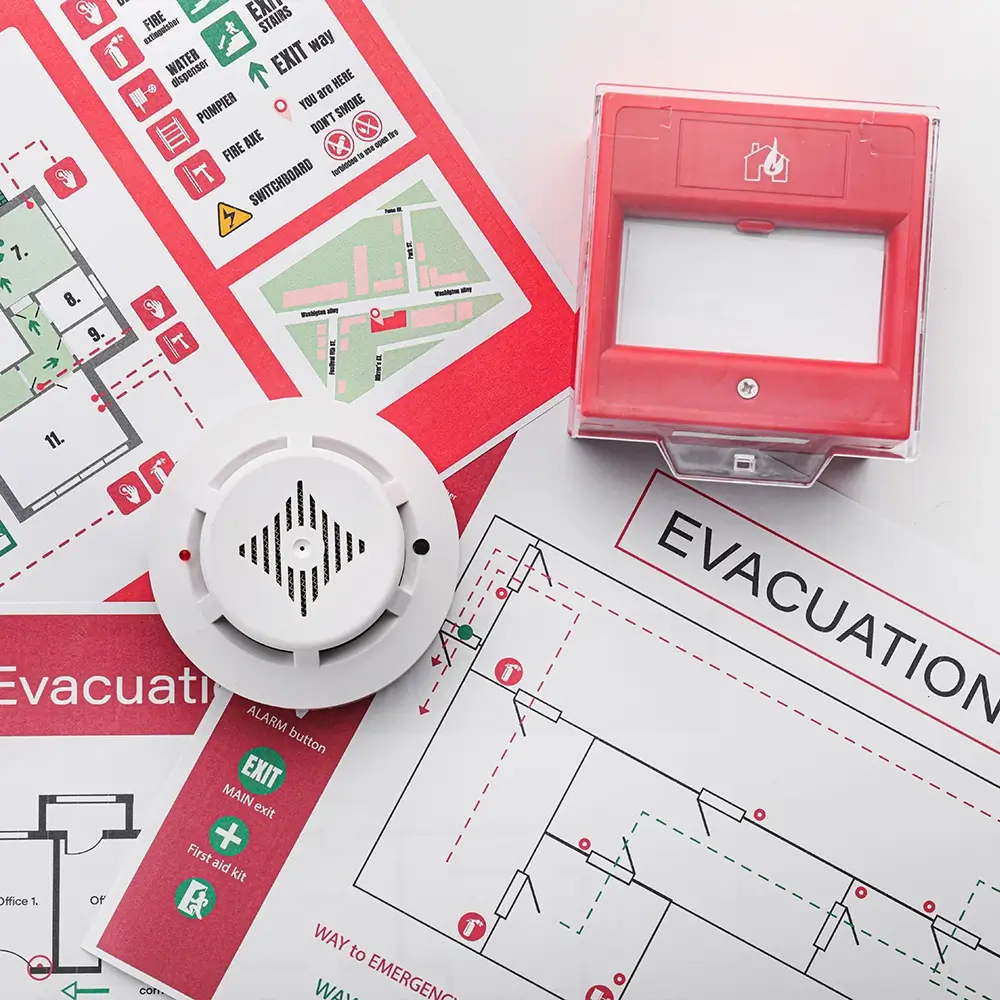
In Salt Lake City, a fire safety plan should do more than sit in a binder or check a box for inspection. For many commercial, multifamily, mixed-use, and high-rise properties, the real value of a fire safety plan comes from whether it reflects how the building actually operates, how occupants move through it, and how staff are expected to respond during an emergency.
Local fire safety planning is shaped by the Utah Fire Code as adopted by Salt Lake City, along with Salt Lake City Fire Department processes tied to inspections, permits, and ongoing code compliance. Depending on the building, requirements may involve emergency procedures, evacuation planning, designated responsibilities, training, drills, and current documentation that can support both occupant safety and fire department coordination.
Salt Lake City also presents planning concerns that often go beyond fire alone. For many buildings, a broader emergency preparedness plan may need to account for earthquake-related disruption, winter storms and snow impacts, utility failures, hazardous materials considerations, smoke or air quality concerns, and after-hours access or staffing limitations. In practice, those conditions can affect evacuation routes, communications, stairwell use, fire department access, and business continuity.

✦ Operational Reality
Why Fire Safety Planning Is More Operationally Complex in Salt Lake City
In Salt Lake City, the challenge is rarely just writing emergency procedures. The challenge is creating plans that match how the property actually functions, how people communicate during a disruption, and how regional hazards can interfere with a standard fire response.
Commercial offices, multifamily communities, mixed-use developments, medical offices, warehouses, and high-rise properties all create different planning demands. Generic templates usually do not address the details that matter most during a real event, especially when building systems, elevators, stairwells, access routes, supervisory staff, and occupant communication all need to work together under pressure.
Dense Occupancy
Higher occupant loads can create more pressure around communication, evacuation flow, assembly management, and designated staff responsibilities.
Vertical Buildings
Mid-rise and high-rise properties often require more detailed planning around stairwell movement, elevator restrictions, relocation decisions, emergency responder communications, and floor-by-floor coordination.
Mixed Uses
Buildings that combine office, retail, residential, hospitality, or public-facing uses often need clearer role assignment and more coordinated emergency procedures.
Local Hazards
Salt Lake City buildings may need planning that accounts for earthquakes, winter weather, utility disruption, smoke or air quality impacts, and other conditions that can complicate a fire-only response.
Fire Safety Plan Services in Salt Lake City
Fire Safety Plans
Building-specific fire safety plans designed to support code compliance, life safety, and clear emergency procedures for Salt Lake City buildings.
Multi-Hazard Plans
Emergency plans that go beyond fire safety and help Salt Lake City buildings prepare for a broader range of incidents and operational disruptions.
What Salt Lake City Property Managers Are Actually Deciding
When a building needs a fire safety plan, the decision is usually bigger than whether a document exists. Property managers and building owners are often deciding whether their current procedures are still usable, whether emergency roles are clear enough for staff to carry them out, whether local code expectations are being addressed properly, and whether broader regional risks now justify a more complete multi-hazard emergency plan.
In Salt Lake City, that decision can be more complex because the same property may need to address earthquake disruption, winter access challenges, mixed occupancies, after-hours operations, changing tenancy, and vertical circulation issues. A plan can look complete on paper and still fall short operationally if it is outdated, too generic, or disconnected from how the building actually functions.
A plan can be technically present and still operationally weak.
Fire Safety Plan Requirements in Salt Lake City
In Salt Lake City, fire safety planning requirements are shaped by the Utah Fire Code as adopted by the city, along with local Salt Lake City fire code amendments and Fire Department oversight. At a high level, applicable buildings may be required to maintain approved emergency procedures, fire safety and evacuation plans, employee training, evacuation drills, and current documentation that supports an organized response during a fire or other emergency.
For many building types, the issue is not simply whether a plan exists, but whether it is building-specific and maintained properly. Utah Fire Code Chapter 4 places strong emphasis on the human side of life safety, including reporting emergencies immediately, implementing the emergency plan when a fire or fire alarm occurs, training employees, and conducting required drills where fire safety and evacuation plans apply.
What a Salt Lake City building fire safety plan often needs to address
- Building-specific evacuation procedures
- Roles for supervisory staff and designated personnel
- Occupant communication steps
- Emergency responder coordination considerations
- Procedures for business and nonbusiness hours
- Updates when building conditions, staffing, or tenancy change
✦ High-Rise Considerations
For Salt Lake City high-rise and mid-rise properties, operational planning can be more detailed. Buildings may need to address emergency responder communications, floor-by-floor coordination, evacuation or relocation procedures, designated personnel, and current documentation that aligns with how the building is staffed and occupied. As building conditions, layouts, tenant mixes, or supervisory roles change, the plan may need updates as well.
✦ The Difference That Matters
Why Generic Fire Safety Plans Often Fall Short
A generic plan may describe what a building should do during an emergency, but that does not mean it reflects how your Salt Lake City property actually operates. If the plan does not match the building layout, occupant mix, staffing structure, communication flow, access conditions, or local hazard profile, it may be harder to use when it matters most.
For many property managers, the real issue is not whether some documentation exists. The issue is whether the plan is current, practical, and specific enough to support implementation. That matters even more in Salt Lake City, where buildings may need to account for seismic disruption, winter weather impacts, dense occupancy, podium or high-rise construction, and emergency communication challenges.
Generic Template vs Building-Specific Planning
Standard
Generic Template Plan
- Broad language
- Limited local relevance
- Weaker operational fit
- Harder to maintain in practice
- Minimal value during a real incident
★ Recommended
Building-Specific Plan
- Property-based procedures
- Clear Salt Lake City context
- Better alignment with building operations
- Easier to update as conditions change
- Stronger implementation value
✦ Beyond Fire Alone
Why Multi-Hazard Planning Matters in Salt Lake City
In Salt Lake City, emergency readiness often requires more than a fire-only approach. Earthquakes can interrupt alarms, elevators, electrical service, access control, and internal communications at the same time people are trying to evacuate or shelter safely. Winter storms and freezing conditions can affect exterior access, snow removal, assembly areas, travel conditions, staffing levels, and reentry decisions. Utility interruptions can disrupt lighting, HVAC, communications, and life-safety operations. In some properties, hazardous materials, wildfire-related conditions in surrounding areas, or smoke and air quality impacts may also influence how the building responds.
That is why multi-hazard emergency planning is often a smart step for Salt Lake City property managers. Instead of treating each event as a separate issue, a multi-hazard plan creates a coordinated framework for response, communication, responsibilities, and occupant guidance across multiple incident types.
Earthquakes
Can affect egress, alarms, elevators, communications, and interior movement, while also creating aftershock and damage-assessment concerns.
Winter Storms and Extreme Cold
Can affect staffing, site access, snow-covered routes, assembly areas, vehicle movement, and operational continuity.
Power Outages
Can disrupt lighting, communications, access control, HVAC systems, and other building functions that support emergency response.
Hazardous Materials and Building-Specific Risks
Can affect life safety procedures, fire department coordination, and the level of preparedness expected at the property.
Flooding or Water Intrusion in Certain Conditions
Can affect lower levels, access points, utilities, and continuity planning, especially where stormwater, snowmelt, or infrastructure disruption are factors.
What Building-Specific Planning Should Cover
A useful fire safety or multi-hazard plan should be tailored to how the property actually functions. That includes not only code-related procedures, but also the practical realities that affect emergency response in the building.
Building layout and egress realities
Procedures should reflect the actual movement paths, exits, stairwells, areas of refuge where applicable, and circulation constraints of the property.
Staff roles and emergency responsibilities
Designated personnel should understand what they are responsible for before, during, and after an incident.
Occupant communication
Buildings need clear procedures for informing tenants, visitors, residents, contractors, and staff during emergencies and drills.
After-hours and low-staffing conditions
Emergency procedures should remain usable when staffing levels are lower or occupancy patterns are different.
Local hazard overlap
In Salt Lake City, planning may need to account for how earthquakes, winter weather, utility disruption, or other regional risks affect emergency procedures.
Need Emergency Training for Your Salt Lake City Buildings?
A plan is most effective when the people responsible for carrying it out clearly understand their roles. WPS also offers instructor-led and on-demand emergency training for Salt Lake City buildings, helping supervisory staff and other key personnel respond with more confidence during drills and real incidents.
Training can help close the gap between documented procedures and real implementation. For many Salt Lake City buildings, that matters just as much as having the plan itself.
Why Salt Lake City Property Managers Choose WPS
From compliant fire safety plans to multi-hazard emergency procedures, instructor-led training, and powerful emergency management software, WPS delivers a complete, integrated approach to building safety.
40+ Years
of serving in the fire and life-safety industry
End-to-End
support for all of our services
Best in Class
emergency plans, training, and software
Proven Record
for reducing liability and saving lives
WPS helps property managers move beyond static documentation by combining planning, training, and software into a more practical fire and life safety program. For Salt Lake City buildings, that means clearer emergency procedures, stronger implementation support, and better readiness across commercial, multifamily, mixed-use, and high-rise environments.
✦ FAQs
Frequently Asked Questions About Fire Safety Plans in Salt Lake City
Do I need a fire safety plan in Salt Lake City for my building?
Many Salt Lake City buildings are required to maintain emergency procedures and fire safety documentation, especially where occupancy, height, use type, or operational conditions trigger code requirements. The exact requirement depends on the building and jurisdictional context, but for many commercial, multifamily, mixed-use, and high-rise properties, current fire safety planning is an important part of compliance and readiness.
What is a fire safety plan for a Salt Lake City building?
A fire safety plan is a building-specific document that outlines what occupants and designated staff should do during a fire or related emergency. It typically addresses emergency procedures, evacuation routes, assigned responsibilities, communication steps, and other details needed to support a safe and organized response.
Are high-rise buildings in Salt Lake City subject to more specific emergency planning requirements?
Yes. Salt Lake City high-rise buildings often involve more detailed emergency planning needs, including evacuation or relocation procedures, designated personnel, training, communication, and coordination with local fire code expectations. Mid-rise and high-rise buildings may also need to address emergency responder communication systems and other operational factors that do not apply in the same way to smaller properties.
What is a multi-hazard emergency plan?
A multi-hazard emergency plan expands planning beyond fire response. For Salt Lake City properties, that may include procedures for earthquakes, winter storms, utility disruption, hazardous materials incidents, flooding concerns, medical emergencies, or other incidents that affect occupant safety and building operations.
How often should a fire safety plan be reviewed or updated?
Fire safety plans should be reviewed regularly and updated whenever building conditions, staffing, tenancy, layouts, or operations change. In Salt Lake City, keeping emergency procedures current is especially important for buildings with complex occupancies, designated emergency roles, or regional risks that can change how an incident unfolds.
Why is building-specific planning important in Salt Lake City?
Salt Lake City buildings often have unique occupancy loads, mixed uses, vertical circulation challenges, seasonal operating conditions, and region-specific hazards. A generic template may not reflect how the property actually functions during an emergency. Building-specific planning helps improve practical response, staff clarity, and occupant safety.
Who provides fire safety plans and multi-hazard plans in Salt Lake City?
Fire safety plans and multi-hazard plans are typically developed by qualified fire and life safety professionals familiar with applicable code requirements and operational planning needs. WPS provides fire safety planning, multi-hazard emergency planning, training, and software support for commercial, residential, mixed-use, and high-rise properties.
How do I get a fire safety plan or multi-hazard plan for my Salt Lake City building?
The process usually starts with reviewing the building type, occupancy, current documentation, operational needs, and emergency planning requirements. From there, WPS can help develop a building-specific plan that supports compliance and improves readiness.
Salt Lake City fire safety plans help building owners and property managers document emergency procedures, assign responsibilities, support code compliance, and improve response readiness. For many Salt Lake City properties, broader multi-hazard planning is also valuable because local risks can include earthquakes, winter storms, utility disruption, hazardous materials concerns, and operational challenges that affect evacuation and building response.
Need Fire Safety Plans in Salt Lake City?
WPS helps Salt Lake City property managers and building owners strengthen compliance, improve emergency preparedness, and reduce liability with practical fire safety planning and multi-hazard emergency plans tailored to their buildings.
Complete the form below, and a WPS representative will contact you with the next steps.