For many property and facility managers, compliance isn’t just a checklist it’s a source of constant pressure. Between shifting safety regulations, growing tenant expectations, and the high stakes of life safety, the responsibility to “get it right” can feel immense. But behind that stress lies something powerful: the opportunity to lead with confidence.
This post explores how property managers can move from compliance anxiety to compliance assurance, transforming the psychological burden of responsibility into calm, capable leadership through preparation, systems, and support.
The Weight of Responsibility
Few roles demand as much composure under pressure as property management. Each inspection, audit, and emergency test carries the same unspoken question: “Have we done enough to keep everyone safe?”
That question doesn’t just test your processes, it tests your confidence. Even the most experienced property managers can experience a lingering sense of worry:
- What if something was missed?
- What if a system fails when it matters most?
- What if an emergency exposes a gap in our plans?
This psychological burden is real and well-documented. People who operate in high-stakes environments often carry residual stress from their sense of accountability, especially when that accountability involves others’ safety. Yet acknowledging this burden is the first step toward mastering it.
At WPS Disaster Management Solutions, we’ve seen this transition firsthand. When property managers have access to structured, proven frameworks for safety planning and response, that sense of unease begins to shift into confidence.
Understanding the Compliance Confidence Gap
Compliance is not only about having the right paperwork or passing an inspection. It’s about trusting that your systems, people, and plans will perform when they’re needed most.
The “confidence gap” arises when there’s uncertainty, uncertainty about procedures, roles, or system readiness. This can happen when:
- Documentation is outdated or difficult to maintain
- Emergency plans are not regularly tested
- Staff turnover disrupts training consistency
- Reporting and compliance tools are fragmented
- Communication across buildings or teams is unclear
These are not signs of poor management, they’re symptoms of a system stretched thin. Most property managers know they need to comply with building safety standards, but often lack the time, visibility, or tools to do so efficiently.
That’s where structured, technology-supported safety programs make a difference.
Reframing Compliance as Leadership
Instead of viewing compliance as an obligation, high-performing managers view it as an opportunity to lead, to create trust, accountability, and a proactive safety culture.
Building this mindset begins with three principles:
- Transparency Builds Trust
Clear communication of safety procedures, inspection results, and emergency roles reassures tenants and teams alike. When people know what’s happening and why, anxiety decreases, for everyone. - Preparation Creates Calm
Confidence under pressure isn’t innate; it’s trained. The more familiar you are with your plans and tools, the more instinctive your response becomes during an emergency. - Systems Strengthen Leadership
Structured frameworks and reliable software reduce guesswork. When processes are consistent and data-backed, leaders can focus on decision-making, not damage control.
Compliance confidence, then, isn’t just a mental shift, it’s an operational advantage.
From Anxiety to Assurance: Frameworks That Work
The following frameworks help turn reactive compliance into proactive confidence.
1. Simplify Your Compliance Ecosystem
Consolidate documentation, reporting, and response plans into a single, accessible system. Fragmented data leads to confusion; centralized systems lead to clarity.
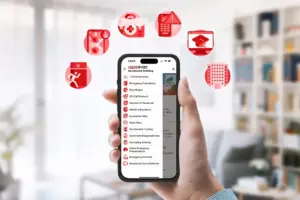
With WPS Evac Software and the WPS Evac Building App, managers gain real-time access to emergency plans, floor wardens, occupant procedures, and compliance records, all in one place. This ensures that critical information is never lost in spreadsheets or email chains when time matters most.
2. Train for Confidence, Not Just Compliance
Too often, emergency training is treated as an obligation instead of an opportunity. But consistent, well-designed training builds instinctive responses and reduces panic.
WPS Disaster Management Solutions offers instructor-led and on-demand training programs that help property teams practice real-world scenarios. These sessions don’t just teach procedures, they reinforce the mindset that preparation equals control.
3. Keep Plans Current and Actionable
Outdated safety plans are a silent source of stress. Managers may know a document exists but worry whether it’s still accurate.
Through WPS Disaster Management Solutions’ Fire Safety and Multi-Hazard Plans, you can ensure your building’s response procedures are always up-to-date, compliant, and tailored to your property type. Consistency creates confidence, both for audits and emergencies.
4. Make Communication a Core Strength
In any crisis, uncertainty is the enemy. Clear, calm communication reassures occupants, directs response teams, and reduces confusion.
Integrating WPS Disaster Management Solutions’ digital plans and occupant guides allows building leaders to distribute accurate information instantly, keeping tenants informed and calm before, during, and after an incident.
The Psychology of Decision-Making Under Pressure
Even with strong systems in place, the moments that test a property manager’s confidence are those that happen unexpectedly, alarms going off, smoke in a corridor, or a tenant in distress.
In these situations, psychology matters as much as process. Research on decision-making under pressure shows that preparedness and familiarity reduce cognitive overload, allowing leaders to make clear, decisive choices.
That’s why training repetition, clear roles, and streamlined tools matter so much. Every layer of clarity reduces the mental burden in those critical moments.
When managers know exactly where to find their emergency contacts, when teams know exactly who’s responsible for what, and when plans are instantly accessible through the WPS Evac App, stress transforms into focus.
Turning Compliance Into a Competitive Advantage
A property that’s known for its safety readiness doesn’t just meet regulations, it earns trust. Tenants and stakeholders notice when a building is organized, responsive, and calm under pressure.
For property managers, this translates into measurable value:
- Reduced liability and risk exposure
- Stronger tenant satisfaction and retention
- Enhanced reputation with regulators and owners
- Greater operational efficiency through digital systems
Practical Steps to Build Confidence in Compliance
Building confidence isn’t about adding more to your to-do list, it’s about doing the right things consistently.
Here’s how to start:
- Audit your current systems. Identify gaps in documentation, training, or testing.
- Centralize your resources. Ensure plans, logs, and contact lists live in one place.
- Schedule regular training and reviews. Treat them as team development, not obligations.
- Communicate proactively. Keep tenants informed and involved in your safety culture.
- Leverage WPS support. From customized plans to app-based tools, WPS simplifies the path to preparedness.
Small improvements in clarity and structure compound over time, creating the foundation for calm, confident leadership.
Conclusion: Leading With Calm, Not Concern
Compliance will always carry responsibility and with it, some pressure. But when systems, people, and technology align, that pressure becomes purpose.
WPS Disaster Management Solutions empowers property managers to move beyond fear of noncompliance and into leadership that inspires trust. Through modern safety plans, proven training, and digital tools like the WPS Evac Software & App, managers can transform uncertainty into confidence and confidence into protection.
Because at the end of the day, compliance isn’t about passing inspections. It’s about saving lives, protecting people, and leading with assurance when it matters most.