
Fire Safety Plan Training for Building Emergency Personnel
Fire safety plan training helps assigned building personnel understand the roles, systems, and procedures they may need to follow during a fire emergency.
Introduction to Fire Safety Plan 120-Fire Warden Training prepares supervisory staff, fire wardens, operations staff, lobby control, exit control, and other building emergency personnel to understand how a building-specific fire safety plan works in practice. The focus is not just knowing that a plan exists, but knowing who does what, how information flows, and how life safety systems support safe evacuation.
WPS delivers this training for buildings that need practical, role-based instruction tied to their emergency structure, procedures, and fire safety responsibilities. The goal is to help property teams strengthen due diligence, reduce confusion, and support safer action when alarm conditions or fire threats occur.
- 40+ years
- Thousands of buildings
- Canada & U.S.
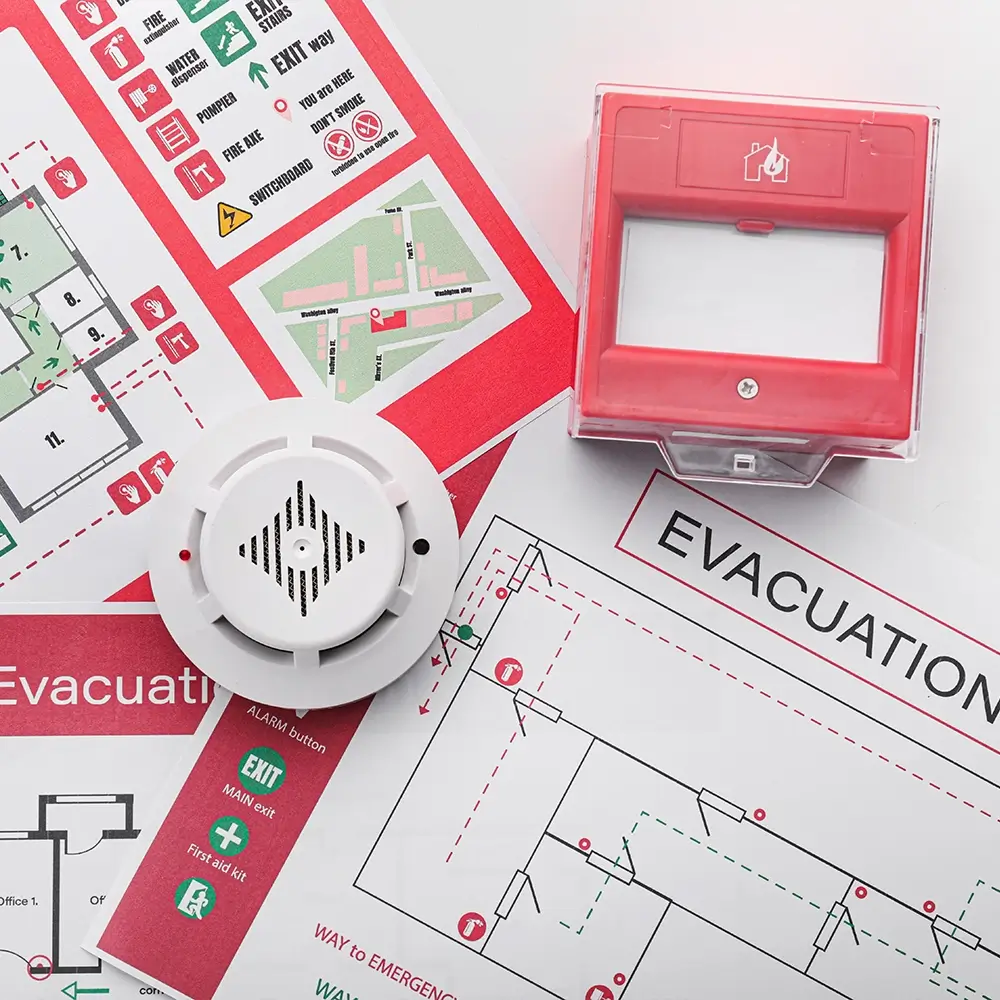












Why Fire Safety Plans Fail Without Trained People
A fire safety plan can fail when assigned personnel do not understand their responsibilities, reporting structure, or building-specific procedures.
During an emergency, community first responders cannot manage every building-level detail alone. Building emergency personnel help bridge the gap between the written plan, the building's systems, occupant movement, assistance needs, and information shared with the fire department.
Without training, teams may not know who leads, who searches assigned areas, who monitors exits, who controls lobby access, or who communicates findings. That creates avoidable delays at the exact moment when clarity matters most.
What Is Fire Safety Plan Training?
Fire safety plan training is building-specific instruction that helps designated personnel understand their assigned fire emergency roles, procedures, systems, and reporting structure.
A fire safety plan sets out how a building prepares for and responds to fire emergencies. Training turns that plan into practical understanding for supervisory staff and other emergency personnel who may have delegated responsibility for occupant safety under the plan.
Roles
Procedures
Systems
For WPS, this topic connects closely to fire safety plans, instructor-led emergency training, and digital tools such as WPS Evac Software and the WPS Evac App. The training should always reflect the building, the people assigned to roles, and the systems available on site.
Who Is Involved in a Building Fire Safety Team?
A building fire safety team includes the people assigned to lead, coordinate, search, communicate, manage exits, and support occupants during a fire emergency.
The deck identifies a practical emergency structure that may include a Fire and Life Safety Director, Deputy Fire and Life Safety Director, Fire Safety Team Leader, operations staff, fire wardens, searchers, lobby control, exit control, building owner or property manager, tenant employers, and the fire department Incident Commander.
Each role supports a different part of the response. The Fire and Life Safety Director manages the building side of the incident, operations staff assist and report findings, fire wardens and searchers support assigned areas, and lobby or exit control personnel help manage movement and access when available.
1. Direction and coordination
The senior building role helps coordinate the building response and supports the fire department as needed.
2. Area-level response
Fire wardens, team leaders, and searchers help carry out assigned duties within the building's emergency structure.
3. Access and movement support
Lobby control and exit control personnel help keep people moving toward safer areas and away from re-entering or blocking evacuation routes.
Why Building Systems Matter in Fire Safety Plan Training
Life safety systems matter because emergency personnel need to understand what systems exist in their building and how those systems support response.
The deck highlights fire alarm systems, automatic suppression, elevators, emergency power, emergency exits, communications, and general building information as part of the training context. These systems are designed to help during a crisis, but assigned personnel still need to know what is available and how those systems relate to their role.
Training should connect systems to practical response, not treat them as abstract equipment. For example, emergency personnel may need to understand alarm conditions, exit pathways, communication points, and how system information helps the fire department assess the situation.
What Can Affect Evacuation Routes During a Fire Emergency?
Exit pathways can be affected by smoke, heat, obstructions, debris, hazardous materials, water, crowd movement, and conditions outside the building.
The deck emphasizes that safe movement depends on more than knowing the nearest exit. Emergency personnel need awareness of stairwells, hallways, routes to grade exits, sidewalks, alleys, roadways, and designated assembly areas.
Fire conditions can change how people move. Smoke may reduce visibility, heat may build quickly, and people may move against expected flow patterns, stop because of injury, remain too close to the building, or miss the assembly area.
How Do Assistance Needs Fit Into Fire Safety Planning?
Persons Requiring Assistance (PRA) planning helps building teams consider occupants who may need support moving along the exit path during an emergency.
The deck identifies examples such as injuries, wheelchairs, canes, crutches, late-stage pregnancy, and conditions that may prevent someone from walking the full exit path without resting. These examples show why fire safety plan training needs to address more than standard evacuation instructions.
Employers and building teams may have responsibilities related to employees or occupants who require evacuation assistance, depending on jurisdiction, occupancy, and building type. WPS also provides educational resources on assisting Persons Requiring Assistance during emergencies.
Is Fire Safety Plan Training Required?
Fire safety plan training may be required or expected where codes, workplace safety rules, or approved fire safety plans assign emergency responsibilities to building personnel.
Canada examples
In Canada, National Fire Code-based fire codes and related occupational health and safety rules often address fire safety plans, supervisory staff, evacuation procedures, drills, and training. Canadian Centre for Occupational Health and Safety guidance also describes fire safety plans as building-specific documents that include evacuation, prevention, control measures, drills, and assigned duties.
U.S. examples
In the United States, OSHA 29 CFR 1910.38 requires applicable employers to train employees designated to assist in safe and orderly evacuation, and the International Fire Code includes emergency planning and preparedness requirements where adopted. Requirements vary by jurisdiction, occupancy, and building type, so training should be positioned as supporting due diligence rather than guaranteeing compliance.
Confirm requirements with the authority having jurisdiction.
Introduction to Fire Safety Plan 120-Fire Warden Training
Introduction to Fire Safety Plan 120-Fire Warden Training is a building-specific WPS course for personnel assigned responsibilities under a fire safety plan.
This course is for supervisory staff, fire wardens, fire safety team members, operations staff, lobby and exit control personnel, and other people assigned to the building emergency personnel team. The deck shows the session is tailored with building-specific details such as the building name, address, local code context, fire evacuation map, and floor warden procedures.
WPS delivers instructor-led emergency training through professional instructors, with online screen-sharing and onsite delivery supported by WPS website materials. WPS also supports training records through WPS Evac Software and the WPS Evac App where configured, and every new WPS Fire Safety Plan or Multi-Hazard Emergency Plan includes a free 1-year WPS Evac subscription.
Introduction to Fire Safety Plan 120-Fire Warden Training
Outcomes include:
- Understand the building emergency personnel structure and reporting flow.
- Recognize the purpose of supervisory staff, fire wardens, searchers, and control roles.
- Connect life safety systems to practical emergency response.
- Identify exit pathway hazards and assembly-area considerations.
- Reinforce participation in training sessions and evacuation drills.
WPS brings 40+ years of fire and life-safety experience, thousands of buildings, and service across Canada & U.S.
- 40+ years
- Thousands of buildings
- Canada & U.S.
Fire Safety Plan Training Answers
Fire safety plan training prepares assigned building personnel to understand how their fire emergency roles, systems, procedures, and reporting structure work together.
What is fire safety plan training?
Fire safety plan training is instruction for supervisory staff, fire wardens, operations teams, and other assigned personnel on how a building-specific fire safety plan works in practice, including roles, life safety systems, exit pathways, assistance needs, and fire emergency procedures.
Who needs fire safety plan training?
Fire safety plan training is for people with delegated fire safety responsibilities, including supervisory staff, fire wardens, team leaders, searchers, operations staff, lobby control personnel, exit control personnel, property managers, tenant employers, and other building emergency personnel.
How does WPS deliver fire safety plan training?
WPS delivers building-specific instructor-led training through professional instructors, with the course deck supporting live webinar delivery and WPS website materials supporting online screen-sharing and onsite training upon request.
Fire Safety Plan Training Questions
Fire safety plan training questions often focus on who needs training, what the training covers, and how it supports emergency readiness.
What is fire safety plan training?
Fire safety plan training teaches designated building emergency personnel how to understand and carry out responsibilities assigned under a building-specific fire safety plan. It covers roles, reporting structure, life safety systems, exit pathways, assistance considerations, fire prevention, and emergency procedures.
Who should take fire safety plan training?
Fire safety plan training is intended for supervisory staff, fire wardens, team leaders, searchers, operations staff, lobby control personnel, exit control personnel, and others assigned responsibilities in the building's fire safety plan or emergency personnel structure.
Does fire safety plan training make a building compliant?
Fire safety plan training supports due diligence, but it does not make a building compliant by itself. Requirements vary by jurisdiction, occupancy, and building type, with relevant examples including National Fire Code-based fire codes in Canada and OSHA 29 CFR 1910.38 or the International Fire Code in the United States.
How is this different from fire drill training?
Fire safety plan training focuses on understanding the plan, roles, life safety systems, reporting structure, evacuation procedures, and emergency responsibilities. Fire drills test or rehearse procedures, while this training helps assigned personnel understand what they are expected to do before drills or real events.
What makes this course specific to building emergency personnel?
This course addresses the emergency supervisory staff structure shown in the deck, including directors, deputies, operations staff, team leaders, fire wardens, searchers, lobby control, and exit control. It is focused on how assigned roles work together during a building fire emergency.
Does the training cover Persons Requiring Assistance?
Yes. The deck includes Persons Requiring Assistance (PRA) examples and notes the need to consider people who may require support during evacuation. The training frames assistance needs as part of building emergency planning, role clarity, and safe evacuation support.
What WPS tools can support training and records?
WPS supports emergency programs through instructor-led training, on-demand emergency training, WPS Evac Software, the WPS Evac App, and WPS Evac Plus. Where configured, WPS Evac Software and the WPS Evac App can help support plans, procedures, records, and related emergency-management workflows.
Request Fire Safety Plan Training
After the training request form is submitted, WPS can review the building's training needs and help identify the right next step for the assigned emergency personnel team.