
Why Fire Code Compliance Matters More Than Ever
When it comes to managing a building, few responsibilities carry as much weight as fire safety. Fire codes aren’t just checkboxes on a compliance list, they’re lifesaving standards designed to protect people, property, and business continuity.
Yet, for many property owners and managers, understanding exactly what fire codes require and how to stay compliant can feel overwhelming. Regulations evolve, documentation piles up, and coordination between tenants, staff, and inspectors can get complicated.
That’s where having a strong foundation in emergency planning and the right tools to manage it makes all the difference. In this guide, we’ll break down the essentials of fire code compliance in simple, practical terms, and show how organizations like WPS Disaster Management Solutions help building owners stay prepared, compliant, and confident.
Understanding the Purpose of Fire Codes
Fire codes set the baseline for fire safety in buildings. They establish the minimum standards for preventing, detecting, and responding to fires, covering everything from building materials and signage to evacuation procedures.
In Canada, and in many U.S. jurisdictions, the local fire or building authority (commonly called the Authority Having Jurisdiction (AHJ)) enforces fire-code compliance. They ensure every building meets the standards set by national and provincial fire regulations, such as the National Fire Code of Canada (NFCC) or its regional equivalents.
For building owners, that means fire codes aren’t just technical documents, they’re legal obligations that directly influence tenant safety and liability. Understanding their purpose helps transform compliance from a burden into an opportunity to demonstrate leadership in safety and preparedness.
The Core Elements of Fire Code Compliance
Every compliant building shares a few key pillars of fire safety. While details vary by jurisdiction, most fire codes require the following:
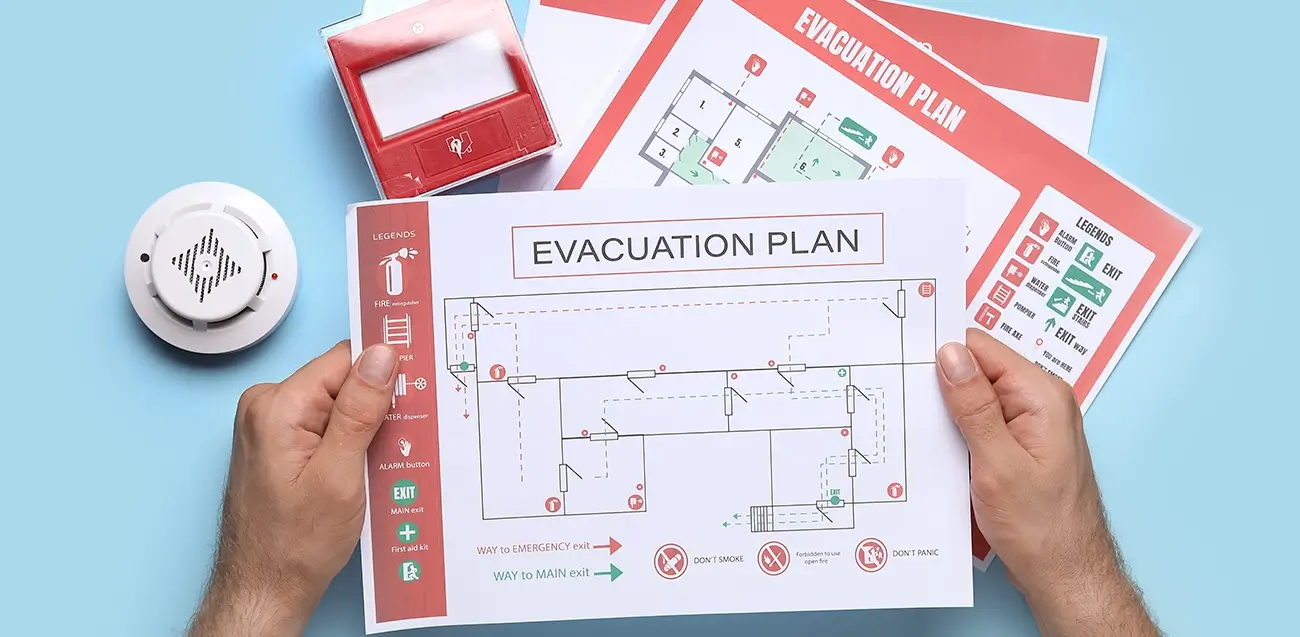
- Evacuation Routes and Signage: Clear, well-marked escape paths and posted evacuation diagrams.
- Fire Protection Systems: Functioning fire alarms, portable fire extinguishers, and automatic sprinklers (where required), all subject to regular inspection and testing.
- Emergency Lighting: Adequate lighting for safe evacuation during power loss.
- Fire Safety Plans: A formal, written plan detailing emergency procedures, responsibilities, and contacts.
- Fire Drills and Training: Regular drills to ensure occupants know what to do in an emergency.
Each of these elements supports a proactive culture of safety and collectively, they form the backbone of code compliance.
Common Fire Code Gaps in Buildings
Even well-managed buildings can fall short of full compliance without realizing it. Some of the most common issues include:
- Outdated Fire Safety Plans: Plans that no longer reflect current building layouts or staff roles.
- Inconsistent Documentation: Missing inspection records or outdated contact information.
- Limited Staff Training: Employees unaware of procedures or unsure how to use safety equipment.
- Neglected Drills: Drills performed irregularly or without proper reporting.
- Lack of Recordkeeping: Inadequate systems that make it difficult to track updates, maintain accurate records, or prove compliance during an inspection.
These gaps don’t just risk inspection issues; they can endanger lives in a real emergency.
Building an Effective Fire Safety Plan
A fire safety plan is more than paperwork, it’s a living document that guides how your building responds to emergencies.
A comprehensive plan should include:
- Roles and Responsibilities: Who coordinates, who assists, and who communicates.
- Evacuation Procedures: Clear steps for different scenarios.
- Fire Prevention Measures: Inspections, maintenance, and housekeeping practices.
- Communication Protocols: How staff, tenants, and first responders are informed.
- Post-Incident Procedures: How to handle re-entry, documentation, and reporting.
The Role of Technology in Modern Fire Code Compliance
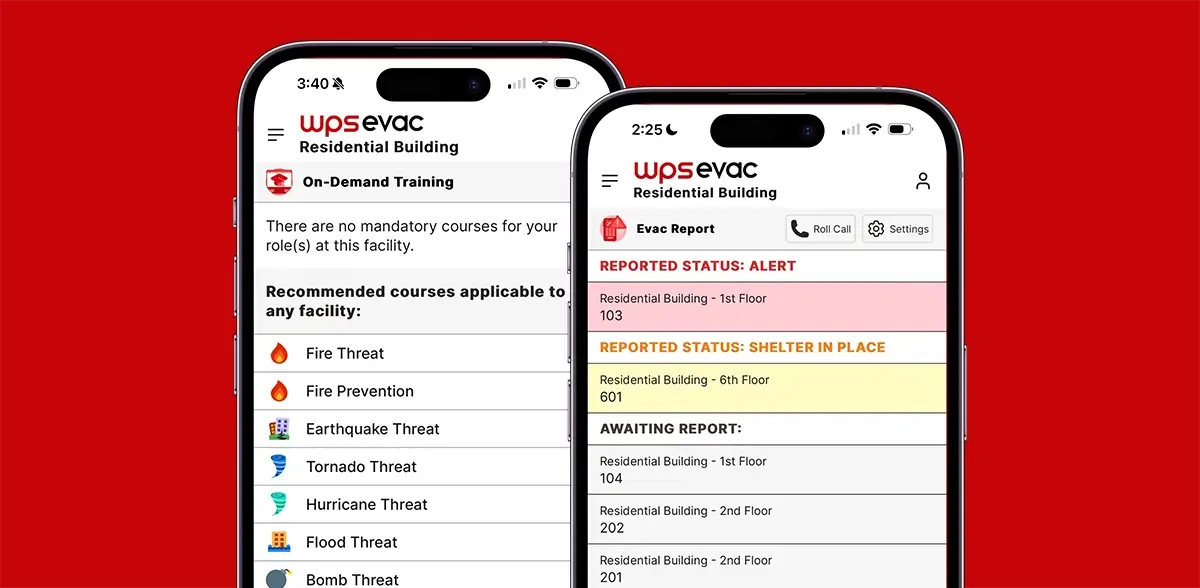
Fire safety management has evolved beyond static binders and paper floor plans. Today, best-in-class programs are supported by dynamic, digitally enabled systems that make it easier to maintain, update, and prove compliance.
When implemented well, technology can help building owners and managers:
Centralize critical documents:
Store fire safety plans, floor plans, inspection reports, and contact lists in one secure, easy-to-access location.
Maintain version control:
Ensure staff and emergency personnel are always referencing the most current procedures and diagrams.
Track inspections and drills consistently:
Log dates, outcomes, deficiencies, and corrective actions to support audit-ready documentation.
Improve emergency communication:
Send clear, real-time notifications and instructions to the right people during an incident or drill.
Support accountability:
Confirm receipt of messages and, where appropriate, support roll-call style check-ins to help account for occupants.
Enable mobile access:
Provide building teams with key information on connected devices so they can make faster decisions on site.
When used appropriately, fire safety technology can reduce administrative burden, improve coordination, and ensure critical information is available when seconds matter.
Remaining Compliant: Inspections, Drills, and Updates
Fire codes evolve and your fire safety plan should evolve accordingly. Over time, new tenants move in, layouts change, and regulations are updated.
To maintain compliance, building owners should:
- Review their fire safety plan at least annually, and whenever significant changes occur (such as occupancy, building layout, or operations).
- Conduct and document fire drills at least annually and more frequently if mandated by your jurisdiction, building type, or occupant profile.
- Update contact lists and building data whenever occupancy or operations change.
- Track inspections and maintain records digitally for easy access during audits.
Building Confidence Through Compliance
Fire code compliance isn’t just about meeting regulations it’s about ensuring peace of mind. For building owners, it represents a commitment to safety, professionalism, and care for every occupant who enters their property.
With over 40 years of expertise in fire and life safety planning, WPS Disaster Management Solutions helps building owners and the teams responsible for life safety strengthen compliance and emergency readiness through customized plans, training, and technology that streamlines documentation and communication.
Discover how WPS can help you protect occupants, support compliance, and gain peace of mind.