
Clear, proactive communication about fire safety can make the difference between an orderly emergency response and chaos. In today’s world where occupants expect transparency and instant updates, property managers who leverage modern tools and consistent messaging not only foster trust but also support safer, more efficient evacuations. This guide explores how technology can help property managers strengthen relationships with tenants while enhancing overall building safety through effective fire safety communication.
The Strategic Value of Transparent Fire Safety Communication
Fire safety measures often operate behind the scenes, yet they’re vital to protecting building occupants. When tenants clearly understand the who, what, and why behind emergency procedures, they respond more calmly during actual crises. CDC Crisis & Emergency Risk Communication (CERC) guidance shows that consistent, plain-language updates reduce confusion and build trust in building protocols.
Moreover, transparent messaging cultivates a collaborative culture where tenants work alongside property managers to continuously improve safety. This partnership approach not only enhances emergency preparedness but also strengthens the tenant-manager relationship, creating a foundation of trust that extends beyond safety concerns.
Common Barriers to Effective Fire Safety Communication
Property managers frequently encounter several communication challenges that can undermine even the most robust fire safety planning:
Language Differences: Buildings with diverse tenant populations require multilingual emergency training programs and visual content to ensure universal comprehension. Emergency-management guidance recommends providing safety information in multiple languages to improve comprehension and compliance.
Information Overload: Tenants are bombarded with newsletters, reminders, and building updates. Without strategic organization and prioritization, crucial fire safety instructions can get lost in the noise, leaving occupants unprepared when emergencies strike.
Inconsistent Updates: Even comprehensive fire safety plans lose effectiveness when updates are sporadic or unclear. A plan is only as strong as the people who understand it, making regular, consistent communication essential for maintaining preparedness.
Technological Barriers: Some property managers rely on outdated communication methods that fail to reach all tenants effectively. Paper notices can be overlooked, and in-person meetings often have low attendance, creating dangerous gaps in emergency knowledge.
Leveraging Technology for Seamless Safety Communication
Modern property manager safety solutions harness digital tools to enable faster, more accurate emergency notifications while fostering ongoing engagement:
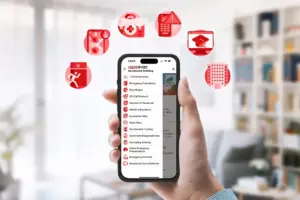
Real-Time Alert Systems: Digital platforms enable property managers to send rapid SMS/email/app notifications during emergencies, supplementing (not replacing) required audible/visible fire-alarm notification, and can guide tenants to follow current procedures when seconds matter.
Digital Emergency Plans: Interactive dashboards and accessible online resources empower tenants to locate floor maps, review evacuation procedures, and review building procedures and plan updates anytime. Digital distribution ensures everyone has the same version of the plan, eliminating confusion caused by outdated information.
Automated Record-Keeping: Digital solutions can track who has received or opened important documents, making it easier for property managers to follow up with tenants and ensure compliance. This accountability feature helps identify knowledge gaps before they become dangerous during an actual emergency.
Best Practices for Engaging Tenants in Fire Safety
Generating tenant buy-in requires understanding their perspective and creating engaging, accessible fire safety communication:
Conduct Regular Drills and Training: Schedule realistic fire drills that familiarize tenants with evacuation routes and procedures. Regular exercises are associated with faster, more orderly evacuations. Use multiple communication channels to announce upcoming drills and ensure maximum participation.
Create Interactive Learning Opportunities: Provide simple videos, training, and courses that make fire safety training interesting and memorable. These resources can be hosted on a tenant portal or emailed directly to occupants, allowing them to learn at their convenience.
Establish Open Dialogue Channels: Encourage tenants to share concerns or suggest improvements after drills and training sessions. Consider implementing a dedicated digital feedback form where they can provide anonymous input, fostering a culture of continuous improvement and shared responsibility.
Implement Multi-Channel Communication: Supplement official emails with posters in common areas, digital signage in elevators, and push notifications on mobile devices. Delivering messages across multiple channels improves reach and recall.
Building Lasting Relationships Through Safety Transparency
A strong tenant-manager relationship is built on accountability, clarity, and prompt communication. Transparent fire safety updates demonstrate genuine care for tenant well-being while simultaneously reducing liability risks for property management. Industry guidance finds that transparent safety communication improves satisfaction and can support tenant retention.
Technology-enabled emergency management supports timely reminders, easy emergency plan updates, and steady dialogue about potential hazards. When occupants trust the property manager’s guidance, they’re far more likely to follow instructions and assist others during an incident. This collaborative approach not only enhances safety outcomes but also strengthens the building’s reputation as a well-managed, tenant-focused property.
Property managers who invest in transparent safety communication often report additional benefits beyond emergency preparedness, including:
- Improved tenant satisfaction scores
- Potential insurance benefits (subject to carrier and jurisdiction) due to documented safety protocols
- Enhanced competitive positioning in the rental market
- Stronger community feeling among building occupants
- Fewer liability concerns and potential legal issues
Implementing a Technology-Driven Communication Strategy
Creating an effective fire safety communication system requires thoughtful planning and implementation:
1. Assess Current Communication Gaps
Begin by evaluating your existing fire safety communication methods. Identify where messages fail to reach tenants or where confusion commonly occurs. Survey tenants about their preferred communication channels and current understanding of emergency procedures.
2. Select Appropriate Technology Solutions
Choose digital tools that address your specific challenges while remaining user-friendly for both staff and tenants. Look for solutions that offer:
- Mobile accessibility
- Multilingual capabilities (if applicable)
- Integration with existing building systems (if applicable)
- Automated tracking and reporting features
3. Develop Clear, Consistent Messaging
Create a library of standardized safety messages that can be quickly deployed across multiple channels. Ensure all communications use consistent terminology and clear instructions that avoid jargon or ambiguity.
4. Train Staff and Tenants
Provide comprehensive training for property management staff on using new communication tools effectively. Offer simple tutorials for tenants to help them access and utilize digital safety resources.
5. Measure Effectiveness and Refine
Regularly evaluate the impact of your communication strategy through metrics like message open rates, drill participation, and tenant feedback. Use these insights to continuously improve your approach.
Conclusion
Effective fire safety communication extends beyond regulatory compliance; it represents an opportunity to forge stronger partnerships with tenants while reducing risk. When property managers combine consistent messaging with modern technology solutions, they ensure tenants have the knowledge, confidence, and resources to respond effectively during emergencies.
By integrating digital communication tools, multilingual resources, and ongoing training into your fire safety planning, you can create a culture of preparedness that protects lives, reduces liability, and strengthens tenant relationships. In today’s connected world, transparent safety communication isn’t just good practice; it’s an essential component of professional property management.
Discover how WPS’s digital solutions can help you communicate fire safety measures clearly and keep every tenant informed and protected. Contact us today to learn more about our technology-driven approach to building safety.