emergency training
emergency planning
emergency software
Emergency Supplies
Get in touch
Company
Stay Prepared, Stay Safe: Insights and Solutions for Smarter Building Emergency Management.
Technology's Role in Modern Emergency Response In today's rapidly evolving safety landscape, digital solutions are transforming how property managers prepare for and respond to emergencies. Modern emergency response software and building evacuation technology now offer unprecedented capabilities that reduce response times, streamline compliance, and ultimately save lives. For property and facility managers responsible for commercial
In today's complex risk environment, property managers face an expanding array of threats beyond fire emergencies. From floods and earthquakes to active threats and severe weather events, comprehensive emergency planning has become essential for building safety and liability reduction. This guide provides property and facility managers with a strategic framework for developing all-hazards readiness
Fire drills are a critical component of building safety management. Whether you manage a commercial property or a multi-family residential complex, well-executed drills prepare occupants for emergencies while ensuring regulatory compliance. According to National Fire Protection Association data, buildings with properly conducted drills are better prepared for emergencies and occupants are more likely to respond
Property managers juggling multiple responsibilities often find emergency training requirements confusing and overwhelming. Yet, according to the National Fire Protection Association, comprehensive emergency training helps reduce injuries and improve response during emergencies. This guide provides clear, prioritized direction on building an effective emergency training program that not only meets regulatory requirements but also empowers your
When you think about fire and life safety in buildings, it is easy to assume that a standard plan will do the job. After all, fire alarms, exit signs, and emergency procedures are required everywhere, right? However, this assumption can lead to significant problems. In reality, every building is unique, and so are the risks,
In today’s warehouse and distribution environments, fire safety is not just a regulatory requirement—it is essential for protecting your people, your property, and your business continuity. Yet, even in well-managed facilities, fire and life safety plans often contain critical gaps that only become apparent during an emergency. With over 40 years of experience supporting warehouses,
We’re Now SOC 2 Compliant We’re excited to announce that WPS Disaster Management Solutions is now officially SOC 2 compliant! SOC 2 (Service Organization Control 2) is a rigorous auditing standard developed by the American Institute of CPAs (AICPA). This certification verifies that our systems, processes, and controls meet the highest standards for security, availability,
In senior living communities, safety is non-negotiable. When an emergency occurs—whether it's a fire, power outage, or evacuation—your team needs to act fast, with confidence and clarity. But what happens when the team changes? High staff turnover and rotating shifts are realities in the senior living sector. These dynamics make it incredibly difficult to maintain
Property management, whether in commercial or residential settings, involves a unique set of challenges. Despite the differences in environment and scale, many core management principles overlap. This post explores the similarities in managing these two types of properties, providing insights into shared challenges and best practices. Both commercial and residential property managers face several common
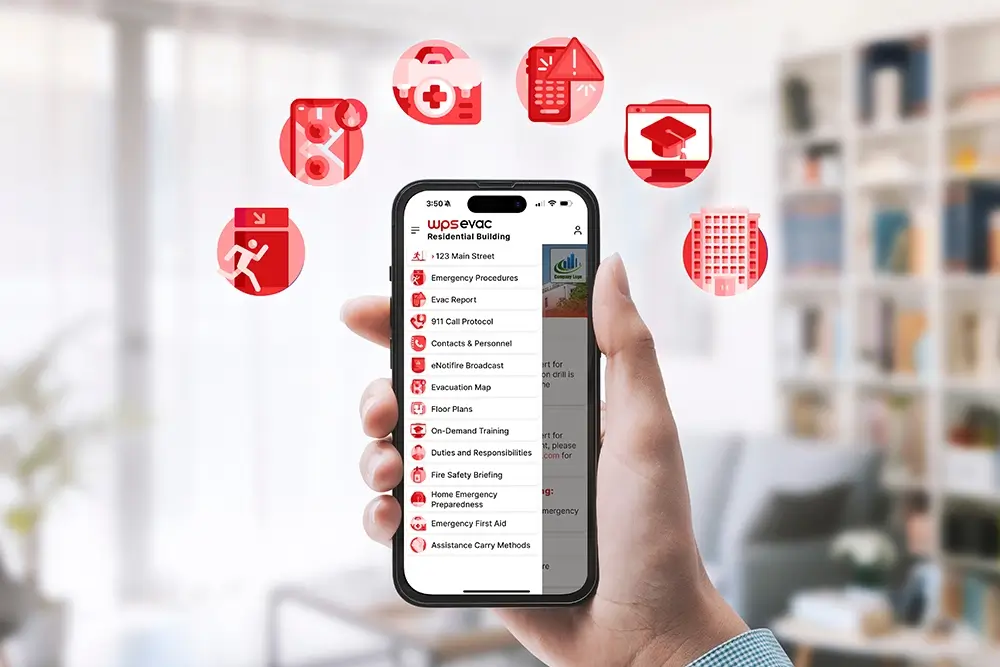
Ensuring the safety of all building occupants is a top priority for building staff, property managers, and property ownership. This responsibility becomes even more critical when it involves Persons Requiring Assistance (PRA). The WPS Evac App is designed to empower property managers and building staff with the tools they need to effectively monitor and assist
Tenant-focused emergency management solutions are crucial for ensuring the well-being of all occupants. These solutions prioritize the needs and safety of tenants, providing them with the tools and information necessary to respond effectively during emergencies. Let’s explore why a tenant-focused approach is essential, what it looks like in practice, and how it can significantly enhance
Ensuring fire safety in residential complexes is not just a legal obligation but a crucial responsibility to protect residents. Regular fire safety audits are essential to maintain compliance with fire codes, minimize risks, and ensure the safety of all occupants. Here’s a step-by-step guide to conducting a successful fire safety audit, tailored for property managers
In emergencies, fear, confusion, and uncertainty can overwhelm building occupants. Without clear guidance and visible leadership, these emotions can escalate into panic and lead to harmful decisions. Establishing a sense of security is crucial for several reasons: Minimizing Panic: Fear often leads to irrational behavior. Clear communication and visible signs of control help occupants remain
Designed to protect lives and property by controlling or extinguishing fires, fire suppression systems are a critical component of safety in residential buildings. For residential property managers and maintenance personnel, ensuring these systems are well-maintained and regularly tested is not just a regulatory requirement—it’s a vital part of safeguarding residents and assets. This article will
Managing a portfolio of buildings, each with its own unique safety requirements, can be a daunting task for property managers. Whether you’re overseeing high-rise, residential, or commercial properties, ensuring the safety of occupants is paramount. Here are five essential tips to help you navigate the complexities of building safety management. 1. Conduct Comprehensive Risk Assessments
Property management, whether in commercial or residential settings, involves a unique set of challenges. Despite the differences in environment and scale, many core management principles overlap. This post explores the similarities in managing these two types of properties, providing insights into shared challenges and best practices. Both commercial and residential property managers face several common
In the world of property management, whether commercial or residential, the strength of management and tenant relationships can significantly impact the effectiveness of emergency management. For property managers, building trust and fostering cooperation with tenants is crucial and pays dividends during emergencies. This blog explores the importance of these relationships and how they can enhance
Fire safety planning has evolved significantly from paper-based manuals and static fire drills. Today, technology plays a crucial role in transforming how building owners, property managers, and tenants approach fire and life safety management. Leading this digital revolution are apps like the WPS Evac App, which is designed to streamline and enhance the entire emergency
As a property manager, keeping tenants safe is one of your most important responsibilities. Fire safety planning is a crucial part of this, but even with the best intentions, oversights can occur that put lives at risk. The good news is that many common fire safety mistakes can be avoided with proper planning and the
Ensuring the safety and preparedness of a residential property and its residents is a top priority for property managers and building owners. However, it isn’t enough to just have a plan for your building; you need to actively manage it and keep it up to date to stay compliant with jurisdictional code requirements. Code compliance
In high-rise residential buildings, fire alarms are a critical component of safety systems. However, the frequent occurrence of nuisance alarms can lead to complacency among residents, causing them to ignore alarms and delay their response when other indications of a threat being real are absent. This article explores the dangers of such complacency and highlights
Tenant and occupant complacency during fire alarms and building emergencies is a significant risk to safety. Many individuals have become desensitized to fire alarms due to frequent false alarms, leading them to ignore these critical alerts. This complacency can have dire consequences, making effective and immediate communication methods essential when traditional emergency alerts like fire
According to the National Fire Protection Association, nearly three-quarters of all fire-related deaths occur in residential buildings. This statistic is both alarming and unsurprising; people spend the most time at home, where they cook, use appliances, and burn candles. There are daily opportunities for fires to start. What is alarming, however, is the death
Each commercial property possesses unique characteristics, including its layout, safety systems, and potential risks. To safeguard occupants and ensure regulatory compliance is maintained, property managers must implement training programs tailored specifically to their buildings. Building-specific training programs provide a focused, practical approach to safety, addressing the unique features and needs of your property. Here’s
Fire Prevention Week is an annual observance dedicated to raising awareness about fire safety and prevention. This significant event serves as a reminder of the importance of being prepared and vigilant to prevent fire-related incidents. This year, Fire Prevention Week will be observed from October 6th to October 12th, providing an opportunity for communities
Fire safety is a critical aspect of property management, but it’s often overlooked. Ensuring your building is up to code, keeping tenants informed about fire safety plan updates, and maintaining a digital paper trail of your efforts are all essential steps in reducing risk and liability. These measures not only contribute to saving lives but
In this blog, we’ll look at the importance of property managers having proper fire safety training in the workplace, regardless of the company’s size or type. We’ll discuss some of the major benefits of doing so from a health and safety standpoint as well as give some tips on how to do this. Benefits of
That reduces liability and saves lives.
Get started today!