
Anaheim Fire Safety Plans and Multi-Hazard Plans
WPS helps Anaheim property managers, building owners, and facility leaders strengthen compliance and emergency readiness with building-specific fire safety plans and multi-hazard emergency plans tailored to hospitality, commercial, and multi-occupancy buildings.
If you are searching for fire safety plans in Anaheim, the real question is not just whether your building has emergency documentation. It is whether your procedures reflect the way your property actually operates, the occupancy patterns you manage, and the local risks that can complicate response in Anaheim, from high-visitor buildings and after-hours operations to earthquakes, smoke impacts, outages, and wildfire-related disruptions.
Trusted by property managers across North America











Anaheim Fire Safety Plans for Buildings
In Anaheim, fire safety planning often needs to do more than satisfy a file requirement. For many hotels, commercial properties, mixed-use sites, and multi-occupancy buildings, the value of a fire safety plan depends on whether it reflects the actual building layout, occupant movement, designated staff responsibilities, emergency communication methods, and the code context shaped by the California Fire Code and Anaheim Fire & Rescue.
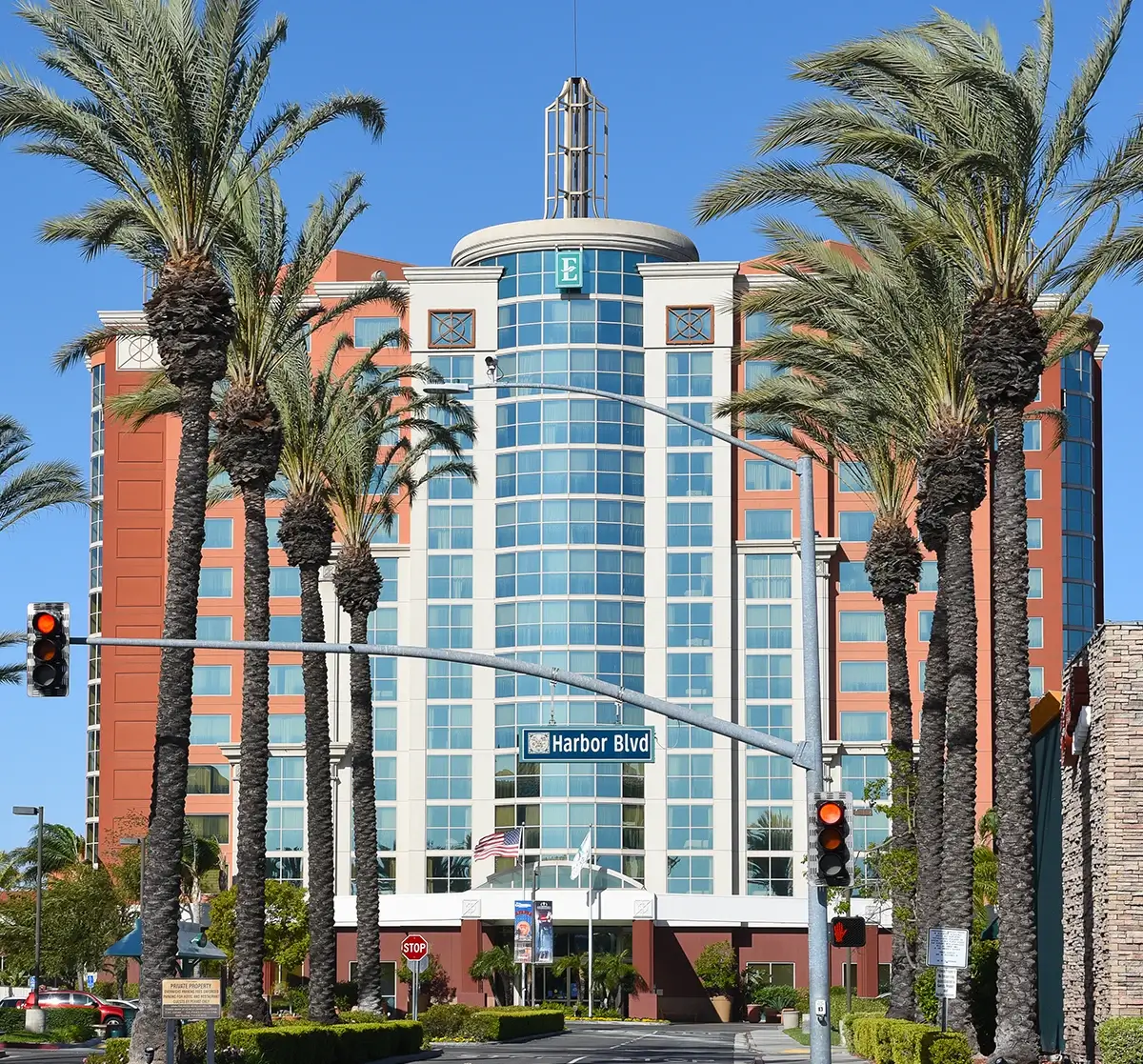
That local context matters because Anaheim is not a one-pattern market. A hospitality property near the Resort District may need to plan for high guest turnover, public-facing spaces, banquet or meeting areas, and 24/7 operations. A commercial or multi-tenant building may need clearer procedures for tenant communication, after-hours response, and staff coordination across different suites or occupancies. In both cases, the plan is stronger when it is practical enough to use, not just present on paper.
Anaheim also has emergency planning needs that often extend beyond fire alone. The city’s own hazard planning identifies earthquake risk, flooding potential, wildfire-related concerns, and the likelihood that hotter, drier conditions or stronger storms can complicate operations. For building decision-makers, that makes broader emergency planning more relevant, especially where smoke, power loss, access disruption, or shelter decisions could affect how the property responds.
✦ Operational Reality
Why Fire Safety Planning Is More Operationally Complex in Anaheim
In Anaheim, the challenge is rarely just creating a document. The real challenge is creating emergency procedures that match how people actually move through the property, how staff communicate during an incident, and how local building conditions can change the response.
That complexity is especially relevant in a city with major hospitality activity, large public venues, mixed-use development, and properties that may see very different occupancy patterns by time of day. A weekday office schedule, a hotel with overnight guests, a convention-adjacent property, and a multi-tenant commercial building all create different planning needs. Generic templates usually do not handle those differences well.
High Visitor Turnover
Hotels, meeting venues, and public-facing properties often need procedures that assume many occupants are unfamiliar with the building, exits, or emergency instructions.
Multi-Occupancy Operations
Buildings with office, retail, hospitality, residential, or event-related uses may need clearer role assignment and more coordinated communication across distinct occupant groups.
Vertical And Large-Floorplate Egress
High-rise and larger properties can require more detailed planning around stair use, relocation, floor-by-floor coordination, fire department access, and alternate routes if one path is compromised.
Local Hazard Overlap
Earthquakes, wildfire smoke, heat, flooding impacts, and utility disruption can complicate a fire-only response and make broader planning more useful.
Fire Safety Plan Services in Anaheim
Fire Safety Plans
Building-specific fire safety plans designed to support code compliance, occupant safety, evacuation procedures, staff responsibilities, and practical response coordination for Anaheim buildings.
Multi-Hazard Plans
Emergency plans that go beyond fire-only scenarios and help Anaheim properties prepare for a broader range of incidents that can affect people, operations, and continuity.
What Anaheim Property Managers Are Actually Deciding
When a building needs a fire safety plan, the decision is usually bigger than whether documentation exists. Property managers and building owners are often deciding whether their current procedures are still usable, whether staff roles are clear enough to carry out the plan, whether the property’s occupancy and operations have changed, and whether broader emergency risks now justify a more comprehensive planning approach.
In Anaheim, that decision can be more layered because many properties operate in environments with public access, changing occupancy loads, after-hours staffing, multiple tenant groups, or hospitality-style circulation patterns. A plan can look complete in a binder and still fall short if it does not reflect how guests, tenants, contractors, and staff would actually receive instructions and move through the building during an incident.
Side Note: A plan can be technically present and still operationally weak.
Fire Safety Plan Requirements in Anaheim
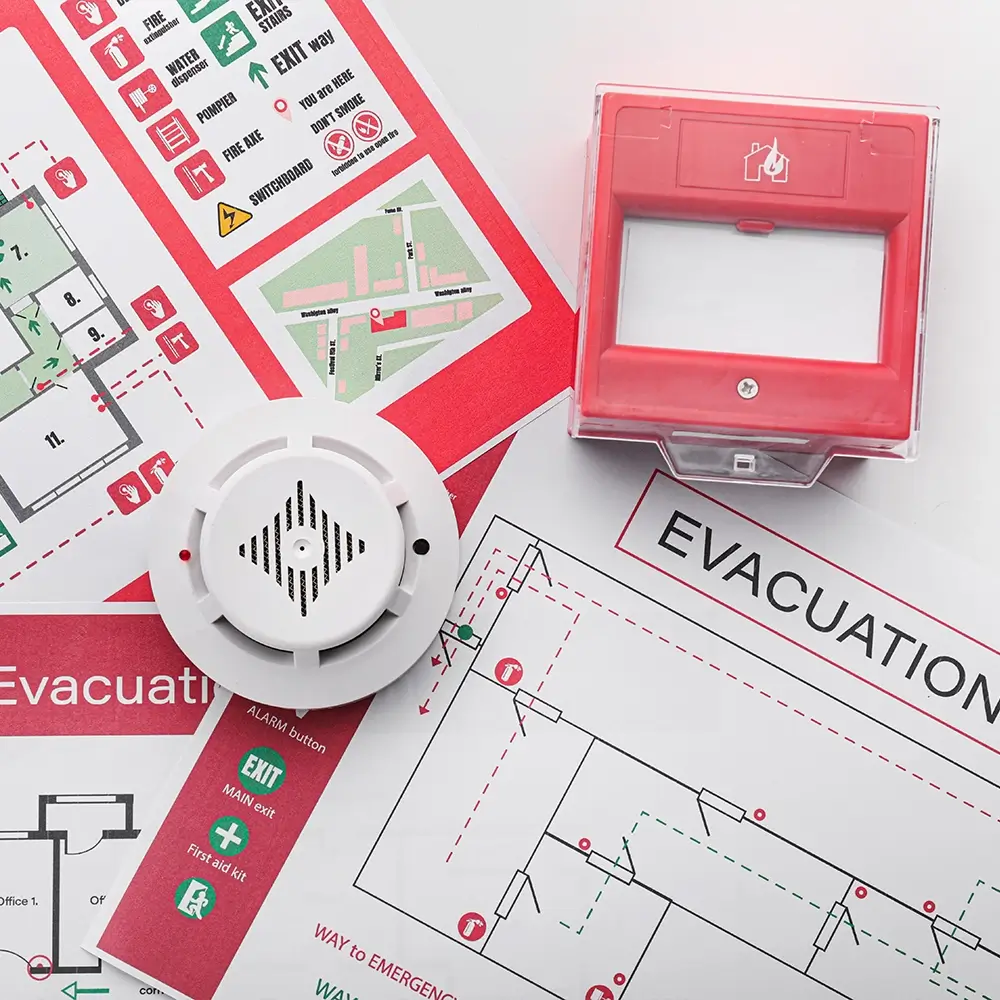
In Anaheim, fire safety planning requirements are shaped by the California Fire Code as adopted and amended by the City of Anaheim, with Chapter 4 covering Emergency Planning and Preparedness. At a high level, applicable buildings may be required to maintain approved fire safety and evacuation procedures, designated responsibilities, employee training, drills, and current documentation that supports an effective response during fire and related emergencies.
For many commercial buildings, whether a formal fire safety and evacuation plan is required depends on the occupancy, building configuration, occupant load, and use conditions. California code includes plan requirements for certain assembly occupancies, some larger business occupancies, and other settings identified by the code. Where a plan is required, Anaheim Fire & Rescue acts as the authority having jurisdiction and the fire code official for approval and enforcement.
Hospitality properties in Anaheim can face additional practical expectations because guest communication matters just as much as staff procedure. California code requires hotels, motels, and lodging houses to provide emergency procedures information to guests, typically through posted or otherwise approved room-level information. For buildings with frequent visitors or overnight occupants, the emergency plan needs to work for people who may not know the property well.
What an Anaheim building fire safety plan often needs to address
- Building-specific evacuation procedures
- Roles for supervisory staff and designated personnel
- Occupant and guest communication steps
- Procedures for business, event, and nonbusiness hours
- Route clarity, stair use, and alternate egress considerations
- Training and drill support where required
- Documentation updates when tenancy, staffing, or operations change
- High-rise or hospitality-specific procedures where applicable
✦ High-Rise Considerations
High-rise context matters too. Anaheim has a separate municipal code chapter addressing life safety requirements for existing high-rise buildings, and local code also includes provisions such as emergency responder radio coverage in new buildings and AED placement on each occupied floor in new high-rises. For some properties, especially larger or more complex ones, the fire code official may also require technical analyses such as smoke control reporting or exit travel analysis. That is one reason planning should be building-specific rather than generic.
✦ The Difference That Matters
Why Generic Fire Safety Plans Often Fall Short
A generic plan may describe what a building should do during an emergency, but that does not mean it reflects how your Anaheim property actually operates. If the plan does not match the building layout, occupancy mix, communication flow, staffing structure, or local hazard profile, it may be harder to use when it matters most.
That issue becomes more serious in buildings with guests, event traffic, multiple tenants, mixed occupancies, or more complex egress conditions. Anaheim’s hospitality and visitor economy makes that especially relevant. A property with meeting rooms, restaurants, loading areas, parking structures, and overnight occupants does not have the same emergency planning needs as a simple office suite, even if both technically have documentation.
For many property managers, the issue is not whether some paperwork exists. The issue is whether the plan is current, practical, and specific enough to support implementation during both expected and more complicated scenarios.
Generic Template vs Building-Specific Planning
Standard
Generic Template Plan
- broad language
- limited local relevance
- weak fit for hospitality or mixed occupancies
- harder to apply during real incidents
- less useful for updates over time
★ Recommended
Building-Specific Plan
- property-based procedures
- clearer staff roles
- stronger fit for Anaheim operations
- better support for guests and occupants
- stronger implementation value
✦ Beyond Fire Alone
Why Multi-Hazard Planning Matters in Anaheim
In Anaheim, emergency readiness often requires more than a fire-only approach. Earthquakes can interrupt alarms, elevators, utilities, and interior movement. Wildfire smoke can affect air quality and occupant comfort even when the fire is not close to the building itself. Utility disruption can affect lighting, access control, HVAC, communications, and building operations. Flooding and severe storm impacts can affect lower levels, access routes, and continuity. In hillside or eastern areas, wildfire evacuation and communication can also become more relevant than a generic city page would suggest.
Anaheim’s own hazard planning points to wildfire, earthquakes, flooding, unstable geology, and climate-related intensification of heat and storms as real local issues. That matters for hospitality, commercial, and multi-occupancy buildings because emergency decisions may involve more than immediate evacuation. Depending on the incident, building teams may need to decide between relocation, shelter-in-place, staged communication, or coordination with external responders while maintaining occupant calm.
A multi-hazard emergency plan helps create a more coordinated structure for response, communication, designated roles, and occupant guidance across a broader range of incidents.
Earthquakes
can affect elevators, interior movement, utilities, alarms, and post-event evacuation decisions
Wildfire Smoke
can affect indoor air quality, guest communication, and building operations even away from the fire perimeter
Power Outages
can disrupt lighting, access control, communications, and life-safety coordination
Flooding And Severe Storm Impacts
can affect garage levels, access routes, lower-level operations, and continuity planning
Wildfire Evacuation Conditions
can affect eastern Anaheim properties through zone-based warnings, orders, and access decisions
What Building-Specific Planning Should Cover
A useful fire safety or multi-hazard plan should be tailored to how the property actually functions. That includes not only code-related procedures, but also the operational realities that affect emergency response in the building.
Building Layout And Egress Realities
Procedures should reflect the actual exits, stairwells, floor configurations, access constraints, and alternate routes that people would use during an emergency.
Staff Roles And Emergency Responsibilities
Designated personnel should understand what they are responsible for before, during, and after an incident, including after-hours conditions.
Occupant, Tenant, And Guest Communication
Anaheim buildings often need clear procedures for communicating with tenants, visitors, guests, vendors, and staff across different use areas and times of day.
Large-Property And Public-Facing Operations
Properties with lobbies, meeting rooms, loading areas, retail components, dining spaces, or event activity should account for how public-facing operations change emergency movement and accountability.
Local Hazard Overlap
In Anaheim, planning may need to account for how earthquakes, smoke, outages, flooding impacts, or wildfire-related disruption change the normal response process.
Need Emergency Training For Your Anaheim Buildings?
A plan is most effective when the people responsible for carrying it out clearly understand their roles. WPS also offers instructor-led and on-demand emergency training for Anaheim buildings, helping supervisory staff and other key personnel respond with more confidence during drills and real incidents.
Training helps close the gap between documented procedures and real implementation. For hospitality, commercial, and multi-occupancy buildings in Anaheim, that can be just as important as having the plan itself, especially where guest communication, multiple shifts, and complex occupancy patterns are involved.
Why Anaheim Property Managers Choose WPS
From compliant fire safety plans to multi-hazard emergency procedures, instructor-led training, and powerful emergency management software, WPS delivers a complete, integrated approach to building safety.
40+ Years
of serving in the fire and life-safety industry
End-to-End
support for all of our services
Best In Class
emergency plans, training, and software
Proven Record
for reducing liability and saving lives
WPS helps property managers move beyond static documentation by combining planning, training, and software into a more practical fire and life safety program. For Anaheim buildings, that means clearer emergency procedures, stronger implementation support, and better readiness across hospitality, commercial, and multi-occupancy environments.
✦ FAQs
Frequently Asked Questions About Fire Safety Plans in Anaheim
Do I need a fire safety plan in Anaheim for my building?
Many Anaheim buildings are required to maintain emergency procedures and fire safety documentation, especially where occupancy type, occupant load, building height, or use conditions trigger code requirements. The exact requirement depends on the property, but for many hospitality, commercial, assembly-adjacent, mixed-use, and high-rise buildings, current fire safety planning is an important part of compliance and readiness.
What is a fire safety plan for an Anaheim building?
A fire safety plan is a building-specific document that outlines what occupants and designated staff should do during a fire or related emergency. It typically covers emergency procedures, evacuation routes, assigned responsibilities, communication steps, and other operational details needed to support a safe and organized response.
Are hotels and hospitality properties in Anaheim different from a typical office building?
Yes. Anaheim hospitality properties often have higher visitor turnover, overnight occupants, public-facing spaces, and guests who are unfamiliar with the building. California code also requires emergency procedures information for hotel and lodging guests. That usually makes planning and communication more operationally demanding than it is in a standard office setting.
Are high-rise buildings in Anaheim subject to more specific emergency planning considerations?
Yes. High-rise buildings typically involve more detailed planning around evacuation, relocation, stair use, fire department access, communication systems, and designated responsibilities. Anaheim also has local code provisions affecting high-rise life safety, and some projects may require more technical review tied to smoke control, exit analysis, or related systems.
What is a multi-hazard emergency plan?
A multi-hazard emergency plan expands planning beyond fire response. For Anaheim properties, that can include procedures for earthquakes, wildfire smoke, utility disruption, flooding impacts, medical emergencies, and other incidents that affect occupant safety or building operations.
How often should a fire safety plan be reviewed or updated?
Fire safety plans should be reviewed regularly and updated whenever building conditions, staffing, tenancy, floor use, or operations change. In Anaheim, that is especially important for hotels, mixed-use properties, and buildings with designated emergency roles or complex occupancy patterns.
Why is building-specific planning important in Anaheim?
Anaheim properties can face a mix of hospitality operations, multiple occupancy types, visitor circulation, after-hours staffing realities, earthquakes, smoke impacts, outages, and localized hazard considerations. A generic template may not reflect how the property actually functions during an emergency. Building-specific planning improves practical response, role clarity, and occupant safety.
Who provides fire safety plans and multi-hazard plans in Anaheim?
Fire safety plans and multi-hazard plans are typically developed by qualified fire and life safety professionals who understand applicable code requirements and building operations. WPS provides fire safety planning, multi-hazard planning, training, and software support for hospitality, commercial, and multi-occupancy properties.
How do I get a fire safety plan or multi-hazard plan for my Anaheim building?
The process usually starts with reviewing the building type, occupancy, current documentation, operational needs, and local code context. From there, WPS can help develop a building-specific plan that supports compliance and improves emergency readiness.
Anaheim fire safety plans help building owners and property managers document emergency procedures, assign responsibilities, support code compliance, and improve emergency response. For many Anaheim hospitality, commercial, and multi-occupancy buildings, broader multi-hazard planning is also valuable because local risks can include earthquakes, wildfire smoke, outages, flooding impacts, and wildfire-related disruption in parts of the city.
Need Fire Safety Plans in Anaheim?
WPS helps Anaheim property managers and building owners improve compliance, strengthen emergency preparedness, and reduce operational risk with practical fire safety planning and multi-hazard plans tailored to their buildings.
Complete the form below, and a WPS representative will contact you with the next steps.