
Emergency Training In Fresno
WPS helps property managers, building owners, facility teams, and operations leaders in Fresno improve emergency preparedness with practical, building-specific training for commercial, mixed-use, multifamily, and high-rise properties.
The real question is not whether your building has procedures on file. It is whether the people responsible know what to do when alarms activate, smoke conditions change, or a real incident forces fast decisions.
Trusted by property managers across North America











Emergency Training in Fresno
In Fresno, emergency training often needs to cover more than a basic fire talk. For many office buildings, apartment communities, mixed-use properties, medical offices, industrial sites, and high-rise buildings, designated personnel need training that reflects how the property actually operates: who leads, who communicates, who helps direct occupants, who manages stairwells or relocation procedures, and how onsite teams coordinate when normal routines break down.
That matters in Fresno because local building operations are shaped by a specific mix of California fire code requirements and Central Valley operating conditions. Depending on occupancy and building type, properties may need documented emergency procedures, trained personnel, drills, and current plans that are actually used for education and implementation, not just kept in a binder. On top of that, Fresno properties may need training that prepares people for smoke events, extreme heat, after-hours staffing limitations, and other disruptions that affect evacuation, communication, and building operations.
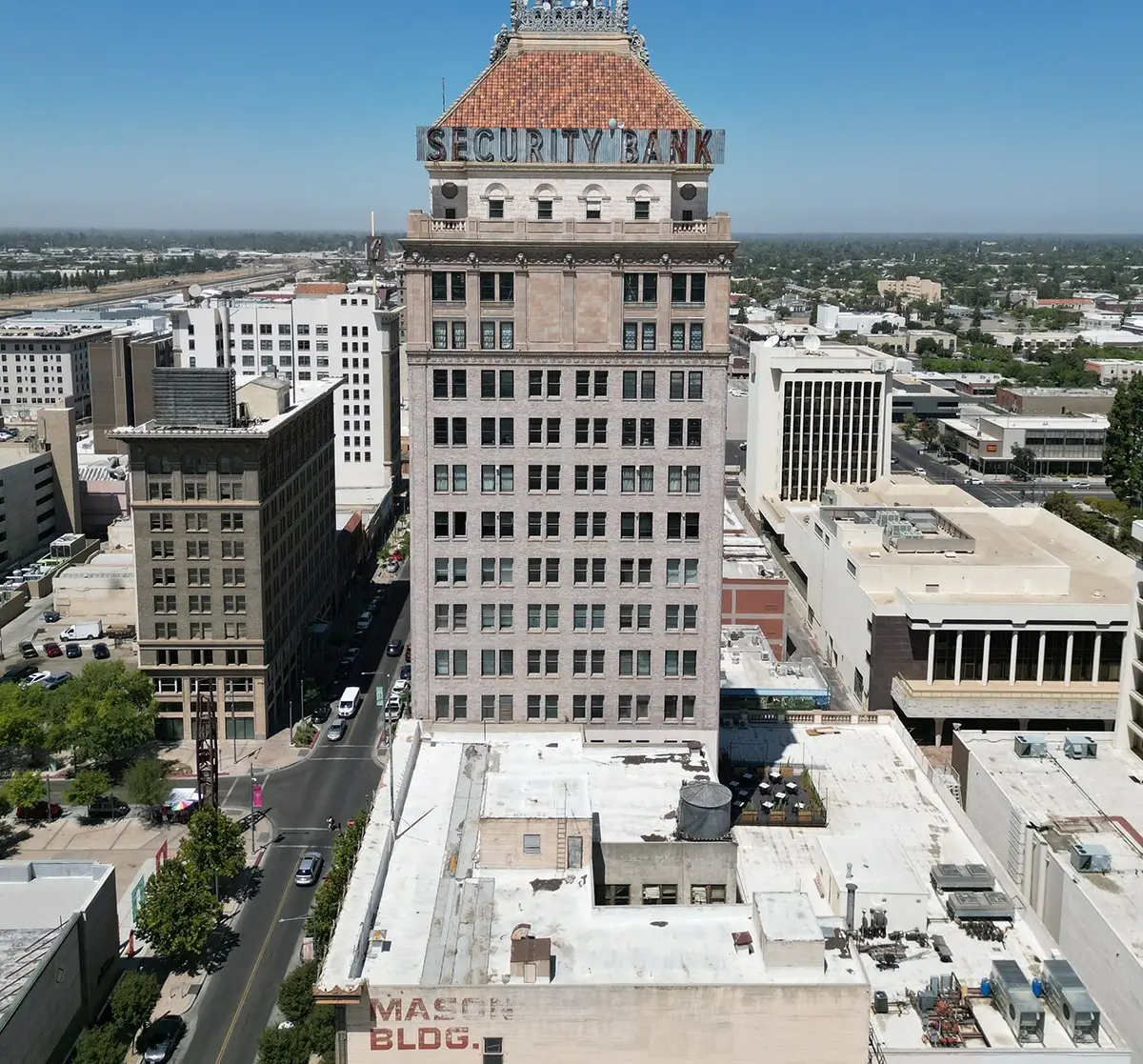
Why Emergency Training Is More Operationally Important in Fresno
In Fresno, many buildings look prepared until one practical question gets asked: if something happens right now, who is doing what? That is where the gap often appears between having procedures and being ready to carry them out.
Emergency training matters because Fresno buildings often involve multiple tenants, changing staff coverage, varied occupancy types, and emergency conditions that can shift quickly. In that environment, delayed decisions, unclear responsibilities, or weak occupant communication can turn a manageable event into a much larger operational problem.
High-Rise and Larger Building Complexity
Fresno high-rise and larger commercial properties involve longer egress routes, stronger reliance on stairwells, more coordination with fire department operations, and greater need for clearly assigned emergency roles.
Mixed Occupancy Reality
Many Fresno properties combine office, residential, retail, medical, or service uses with different hours, staffing patterns, and occupant behaviors that make emergency coordination more demanding.
Smoke and Heat Conditions
Fresno training may need to prepare teams for wildfire smoke, high heat, and air-quality concerns that affect communication, shelter decisions, HVAC behavior, and assembly planning.
Turnover and Documentation Pressure
If your wardens, security personnel, engineers, or managers change, training needs to be easy to refresh, document, and repeat without losing consistency.
Emergency Training Services in Fresno
Instructor-Led Emergency Training
Live emergency training tailored to your Fresno building, your procedures, and your designated personnel. Best for properties that need discussion, role clarification, walkthroughs, and building-specific guidance.
On-Demand Emergency Training
Flexible online emergency training that helps Fresno property teams handle onboarding, refresher training, completion tracking, and turnover without losing consistency.
What Fresno Property Managers Are Actually Deciding
When a Fresno property needs emergency training, the real decision usually is not whether training should happen. It is whether the building's people are actually ready, and if not, what is the cleanest, most practical way to fix that without adding unnecessary operational drag.
Property managers and operations leads are often weighing several issues at once: whether current procedures are usable, whether fire wardens and supervisory staff understand their roles, whether the building is prepared for drills or inspection scrutiny, and whether the current setup will still hold together after staffing changes, tenant turnover, or a real emergency.
That is why training format matters. Some Fresno buildings need instructor-led sessions because the property is more complex and the team needs real discussion. Others also need on-demand training because schedules are uneven, staff changes are common, and keeping records organized matters almost as much as delivering the training itself.
A lot of buildings are not under-prepared because nobody cares. They are under-prepared because nobody has translated the plan into something people can actually carry out under pressure.
Emergency Training Requirements in Fresno
In Fresno, emergency training requirements are generally shaped by the California Fire Code, California Title 19 emergency planning rules, and local Fresno Fire Department enforcement and operational guidance. At a practical level, applicable buildings may need emergency procedures, designated personnel, staff instruction, posted or distributed emergency information, drills, and current plans that are maintained and used for training. High-rise office buildings and some other occupancies can face more specific expectations around emergency planning, designated roles, and recurring training.
The exact requirement can vary based on occupancy, building type, height, size, staffing model, and local interpretation by the authority having jurisdiction. That means the right training approach is not identical for every Fresno building. But for many commercial, multifamily, mixed-use, and high-rise properties, emergency training is part of both operational readiness and compliance support.
One important California takeaway is that emergency procedures are meant to be communicated and practiced, not just documented. In other words, the goal is not simply to have a plan. The goal is to have people who understand their duties and can carry them out when the pressure is on.
What Emergency Training in Fresno Often Needs to Cover
- Building-specific evacuation or relocation procedures
- Roles for supervisory staff, fire wardens, deputies, engineering, security, and operations personnel
- Alarm signals, communication steps, and occupant direction
- Procedures for assisting persons who may require help, where applicable
- Drill readiness and refresher needs for applicable properties
- Updates when staffing, tenant mix, floor use, or procedures change
Why Generic or One-Time Training Often Falls Short
Generic emergency training can sound acceptable in the room and still fail in the building. If it does not reflect the actual layout, alarm behavior, staffing structure, communication flow, HVAC-related realities, and emergency roles of your Fresno property, it may not help much when people need to act quickly.
One-time training also tends to age badly. People leave. New wardens come in. Tenants change. Procedures get revised. The property evolves, but the training often does not. That is how a building ends up technically covered, but practically exposed.
Generic Training vs Building-Specific Emergency Training
Generic Training: broad information, weak fit to the property, less useful under pressure, harder to sustain through staff changes
Building-Specific Training: clearer responsibilities, stronger operational fit, better refresher value, more confidence during drills and real incidents
How Local Hazards and Building Conditions Shape Training Needs in Fresno
Emergency training in Fresno should reflect local conditions, not just general theory. The city sits in a Central Valley environment where hot weather, smoke impacts, varied building types, and regional wildfire activity can all influence how buildings operate during an emergency.
For Fresno property teams, those conditions are not background details. They affect real decisions: whether evacuation routes remain practical in high heat, how occupants are communicated with during smoke events, how HVAC and indoor air concerns are handled, what happens when staffing is lighter after hours, and how the building coordinates when a regional emergency changes normal operations.
Wildfire Smoke
Fresno buildings may need training that addresses changing air quality, occupant messaging, indoor air decisions, and how smoke conditions can complicate normal evacuation assumptions.
Extreme Heat
Summer heat can affect outdoor assembly areas, vulnerable occupants, staffing endurance, and operational decisions during prolonged incidents.
High-Rise and Vertical Movement
In taller Fresno buildings, stairwell coordination, elevator limitations, lobby control, and role clarity become more important during emergencies.
Mixed Commercial and Residential Use
Properties with multiple uses often need more coordinated training because occupant behavior, hours of operation, and emergency responsibilities differ across the site.
After-Hours Conditions
Many Fresno properties operate very differently after hours, so training has to work even when fewer people are onsite.
Regional Wildfire and Evacuation Context
Even when a fire is not at the property, Fresno-area evacuation warnings, alert systems, and regional disruptions can affect staffing, tenant communication, and continuity planning.
What Building-Specific Emergency Training Should Cover
A good Fresno emergency training program should answer the questions people ask in the first few seconds of an incident: What is happening? Who is in charge? What do I do now? Where do people go? Who needs help? How do we keep this from becoming disorganized?
1. Building Layout and Egress Realities
Training should reflect the real exits, stairwells, elevator limitations, assembly areas, and movement patterns of the property.
2. Roles for Designated Personnel
Property managers, engineers, security, fire wardens, deputies, and other key personnel should know exactly what they are responsible for.
3. Alarm and Communication Procedures
Personnel should understand alarm signals, reporting steps, occupant direction, voice communication where applicable, and accountability expectations.
4. Assistance and Accessibility Procedures
Where applicable, training should address assistance procedures, relocation expectations, and support for people who may not be able to use stairs independently.
5. Low-Staffing and After-Hours Response
Emergency procedures should still work when the building is quieter, staffing is lighter, or tenant representatives are not onsite.
6. Local Hazard Overlap
In Fresno, training may need to account for how fire response intersects with smoke events, extreme heat, regional wildfire conditions, and other disruptions that affect operations.
Why Fresno Buildings Often Need More Than One Training Format
In many Fresno buildings, one training format is not enough. Live sessions help with walkthroughs, role clarity, and building-specific discussion. On-demand training helps with onboarding, refreshers, scheduling flexibility, and recordkeeping. Using both can make the overall emergency preparedness program easier to manage.
That is especially useful in commercial campuses, multifamily buildings, mixed-use properties, and high-rise environments where responsibilities may be shared across different people and shifts. The more moving parts the building has, the more valuable it is to have training that is both practical in the moment and easier to sustain over time.
Need Fire Safety Plans for Your Fresno Buildings?
Emergency training works best when it is built on clear, current procedures. If your Fresno building needs training but your fire safety plan or emergency procedures are outdated, too generic, or difficult to apply in real conditions, the training can only go so far.
WPS also helps Fresno property managers with fire safety plans and broader multi-hazard emergency planning, so training is tied to a stronger operational foundation instead of trying to compensate for a weak one.
Why Fresno Property Managers Choose WPS
WPS gives Fresno building teams more than a training vendor. We provide a practical emergency readiness system that connects planning, training, documentation, and software in one approach.
40+ Years
of fire and life safety experience
Building-Specific
training built around your property, your procedures, and your emergency roles
Flexible Delivery
instructor-led and on-demand options for complex properties and ongoing refreshers
Technology-Driven
digital procedure access and training record support that make ongoing implementation easier
For Fresno property managers, that means less guessing, less scrambling, and less risk that the building looks prepared until the wrong moment proves otherwise. It means clearer roles, better follow-through, and a more defensible emergency preparedness program.
Frequently Asked Questions About Emergency Training in Fresno
Do I Need Emergency Training in Fresno for My Building?
Many Fresno buildings do. The exact requirement depends on occupancy, building type, height, size, and local code application, but for many commercial, multifamily, mixed-use, and high-rise properties, trained personnel and usable emergency procedures are an important part of readiness and, in some cases, code compliance.
Who Should Receive Emergency Training in a Fresno Building?
That often includes supervisory staff, fire wardens, deputy wardens, building engineers, security personnel, property management staff, and others assigned emergency responsibilities. The right audience depends on the building and the plan.
What Is the Difference Between Instructor-Led and On-Demand Emergency Training?
Instructor-led training is better when the property is complex and the team needs discussion, walkthroughs, and role clarification. On-demand training is better for onboarding, refreshers, scheduling flexibility, and completion tracking. Many Fresno buildings benefit from both.
Are High-Rise Buildings in Fresno Subject to More Specific Training Expectations?
Yes. High-rise office buildings in California are subject to more specific emergency planning and designated personnel training expectations than many lower-complexity buildings, and Fresno Fire Department guidance also reflects the operational complexity of high-rise incidents.
What Should Fresno Fire Warden Training Cover?
It should usually cover alarm and communication procedures, floor responsibilities, evacuation or relocation procedures, stairwell use, occupant direction, support procedures where applicable, and coordination with building management during drills and real incidents.
How Do Smoke Events Affect Emergency Training in Fresno?
Smoke events can affect occupant communication, indoor air quality decisions, HVAC-related response, and whether normal evacuation assumptions still make sense. That matters in Fresno because regional wildfire smoke and air-quality disruptions are real operating conditions for many properties.
How Often Should Emergency Training Be Reviewed or Refreshed?
Training should be reviewed regularly and refreshed whenever procedures, staffing, tenant mix, floor use, or building conditions change. Some occupancies also have more specific training or drill expectations under California code, so refresher timing should be matched to the building's actual requirements and operating realities.
How Do I Get Emergency Training for My Fresno Building?
The best starting point is reviewing your building type, current procedures, designated emergency roles, staffing model, and whether you need instructor-led training, on-demand training, or both. WPS can help you build the right approach from there.
Fresno emergency training is for property managers, building owners, facility teams, and operations leaders who need fire wardens, supervisory staff, engineers, security personnel, and other designated personnel ready to carry out emergency procedures. It matters in Fresno because California code requirements, high-rise and mixed-use building operations, wildfire smoke, extreme heat, and regional emergency conditions can all make real-world response more complex. WPS provides instructor-led and on-demand emergency training, plus planning and software support, to help Fresno buildings improve readiness, support compliance, and reduce operational risk.
Need Emergency Training in Fresno?
If your Fresno building has people with emergency responsibilities, do not wait for the next drill, inspection, staffing change, or real incident to find out where the gaps are.
WPS helps Fresno property managers and building owners put practical, building-specific emergency training in place so the people responsible know what to do before the pressure hits.
Complete the form below, and a WPS representative will contact you with next steps.