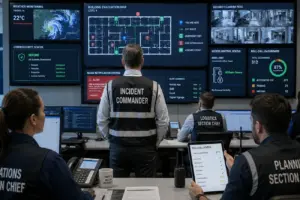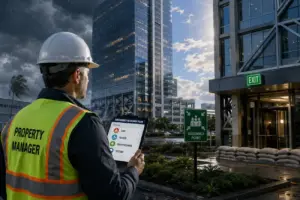
Emergency Management clear and timely communication during an emergency management can make the difference between confusion and control. For property and facility managers, maintaining calm while delivering accurate updates under pressure is one of the most difficult challenges in crisis response. Occupants want reassurance and direction, while first responders need immediate, reliable information. In these moments, even a short delay or unclear message can create unnecessary panic and complicate evacuations.
Modern emergency management increasingly uses digital tools that support rapid, coordinated communication among stakeholders. This post explores how technology enables real-time updates, reduces uncertainty, and helps building leaders protect lives while preserving trust and compliance.
The Importance of Real-Time Crisis Communication Emergency Management
During an emergency, traditional communication methods like emails or physical announcements often fall short. They are slow, fragmented, and prone to misinterpretation. In contrast, properly configured communication platforms centralize information, helping ensure updates reach all who need them promptly and consistently.
When a building emergency unfolds, timing and clarity matter most. Effective communication helps occupants understand what is happening, where to go, and what actions to take. It also allows property teams to maintain operational control and coordinate with emergency services. Real-time alerts reduce panic and confusion, and they demonstrate that building management is prepared and competent.
Understanding Stakeholder Needs in a Crisis Emergency Management
Different groups within a building require different information at different times. Tenants need immediate, easy-to-follow instructions for evacuation or sheltering in place. Security and maintenance teams benefit from updates on alarm system status, access control changes, and affected building systems. Executives and owners require situational summaries that confirm all safety measures are being implemented correctly.
By understanding these unique needs, managers can prioritize messages, tailor communications, and avoid information overload. Predefined message templates and communication workflows help ensure that everyone receives clear, accurate, and relevant instructions at the right moment.
How Technology Simplifies Emergency Communication
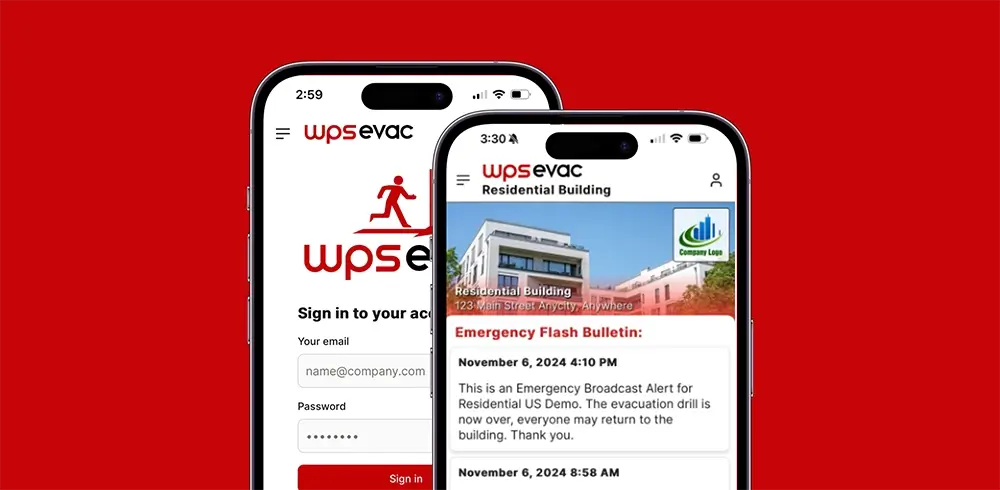
Emergency response software enables property teams to send instant notifications, manage occupant accountability, and track critical decisions in real time. The right digital platform can centralize all communication tasks within one interface, minimizing the need for multiple disconnected systems.
Key capabilities may include:
Real-time mass notifications to reach all occupants through mobile devices, email, or in-app alerts.
Digital roll call and occupant tracking to confirm safe evacuations and identify anyone who may still be inside the building.
Integration with building systems (alarms, sensors, and access controls) to enhance situational awareness and support more accurate updates to responders.
Automated compliance reporting that documents actions taken and ensures regulatory requirements are met.
These features not only improve the speed and accuracy of communication but also create a consistent, auditable record of each emergency event.
Reducing Panic and Building Trust Through Clarity
In emergencies, uncertainty often fuels fear. Providing clear, factual information helps occupants remain calm and focused. When people understand what to expect and feel confident in the instructions provided, they are less likely to panic or take unsafe actions.
Transparent communication also builds trust over time. When occupants know that management has a reliable system in place to inform and guide them, their overall perception of safety improves. Regular updates, even brief ones, reassure everyone that the situation is under control.
Balancing Speed with Accuracy
During a crisis, the pressure to communicate quickly can lead to misinformation if proper protocols are not in place. Managers must balance speed with accuracy by using pre-approved message templates and standardized communication workflows.
Emergency management software can support this balance by:
- Allowing preloaded, scenario-specific messages for fast distribution.
- Requiring simple confirmation steps to verify key details before alerts are sent.
- Automatically updating recipients when conditions change or new instructions are issued.
This approach helps information flow rapidly, yet responsibly; preserving trust, supporting compliance, and reducing confusion.
Training and Drills for Communication Readiness
Technology is only effective when staff know how to use it confidently. Regular training and simulated emergency drills allow teams to practice communication protocols and identify potential gaps. Running these exercises under realistic conditions helps staff make faster, better-informed decisions during real events.
Managers can strengthen readiness by scheduling drills centered on communication, testing mobile alert workflows, and reviewing response logs (and identifying lessons) after each exercise. These insights help refine both procedures and team performance over time.
Embracing Innovation in Building Safety
The next generation of emergency management systems is integrating advanced features such as AI-powered analytics and Internet of Things (IoT) connectivity. These technologies improve risk prediction, automate data sharing, and help detect hazards earlier. As buildings adopt smarter systems, communication capabilities will continue to evolve, enabling more coordinated, data-driven emergency responses.
Staying current with these innovations ensures that property and facility managers can continue to meet rising safety expectations and regulatory standards.
Building a Culture of Preparedness and Trust
Technology is a powerful enabler, but the foundation of effective crisis communication is preparation and consistency. Establishing clear protocols, maintaining reliable systems, and investing in staff training all contribute to a strong safety culture. When communication works seamlessly, it not only protects lives but also strengthens confidence in building leadership.
Proactive managers who embrace digital transformation are better equipped to reduce risk, maintain compliance, and foster a sense of safety among tenants and stakeholders alike.If you’re looking to improve real-time communication, streamline compliance, and strengthen safety across your properties, WPS’s advanced emergency management solutions can help. You can learn more about WPS’ software and apps for both residential and commercial buildings to find the right fit for your portfolio.