Technology’s Role in Modern Emergency Response
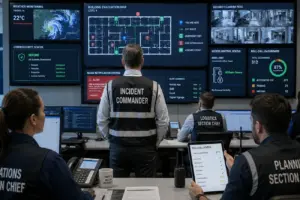
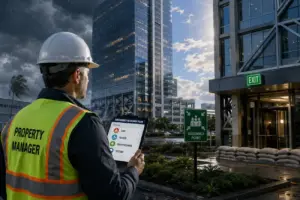
In today’s rapidly evolving safety landscape, digital solutions are transforming how property managers prepare for and respond to emergencies. Modern emergency response software and building evacuation technology now offer unprecedented capabilities that reduce response times, streamline compliance, and ultimately save lives. For property and facility managers responsible for commercial or residential buildings, these innovations provide powerful tools to enhance safety while reducing liability and operational disruption.
The Digital Transformation of Emergency Management
Historically, emergency response relied on paper-based plans, manual checklists, and in-person training sessions. While these traditional methods served their purpose, they often became outdated quickly and required significant time to maintain. Today’s technology-driven approach is revolutionizing every aspect of emergency management:
- Instant access to critical information when seconds count
- Real-time communication across entire buildings or multiple properties
- Automated compliance tracking that reduces administrative burden
- Data-driven insights that continuously improve safety protocols
For property managers juggling multiple responsibilities, these digital solutions transform emergency preparedness from a compliance obligation into a strategic advantage that protects occupants, property, and reputation.
Key Benefits of Digital Emergency Management Tools
Real-Time Alerts and Seamless Communication
Effective communication is the cornerstone of successful emergency response. Modern emergency response software delivers critical alerts through multiple channels simultaneously:
- Rapid Dissemination: Automated notifications reach all occupants instantly when an incident occurs, ensuring no one is left uninformed during critical moments.
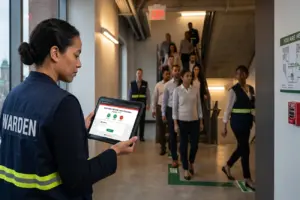
- Two-Way Communication: Advanced platforms enable occupants to confirm their safety status or request assistance, providing real-time accountability during evacuations.
- Consistent Messaging: Centralized communication eliminates conflicting instructions and reduces confusion, helping maintain order during high-stress situations.
Emergency management guidance indicates that integrated communication systems improve the speed and clarity of notifications compared to traditional methods.
Mobile Access to Emergency Plans and Procedures
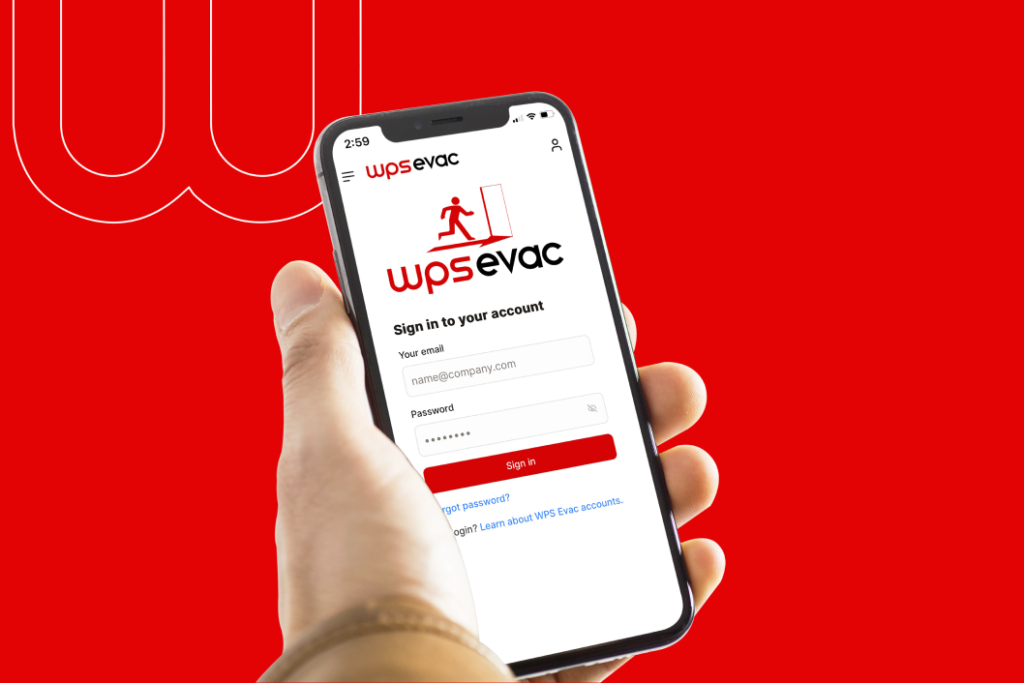
Building evacuation technology, such as the WPS Evac App, now puts vital information at everyone’s fingertips:
- CAD Floor Plans: Digital maps provide quick reference to primary and secondary exits and assembly points, which is particularly valuable in large or complex buildings.
- Role-Specific Instructions: Customized guidance for different stakeholders ensures everyone knows their responsibilities during an emergency.
- Multimedia Resources: Visual guides and instructional videos enhance understanding and retention of emergency procedures.
For property managers overseeing multiple buildings or large facilities, mobile solutions ensure that emergency plans remain accessible and up-to-date across their entire portfolio.
Automated Compliance Tracking and Documentation
Maintaining accurate records for regulatory compliance can be time-consuming and prone to error when done manually. Digital platforms streamline this process through:
- Centralized Dashboards: Monitor all compliance activities, upcoming deadlines, and outstanding tasks from a single interface.
- Automatic Notifications: Receive timely reminders about required drills and training, and track other tasks as defined by your AHJ and internal policy.
- Digital Audit Trail: Maintain comprehensive, easily accessible records that demonstrate due diligence during inspections or audits.
Property managers report that automated compliance systems can significantly reduce administrative time while improving the accuracy and completeness of documentation.
Core Features of Modern Emergency Response Platforms
Leveraging Data Analytics for Informed Decision-Making
In some advanced, emerging solutions, artificial intelligence (AI) and Internet of Things (IoT) technology are beginning to augment how buildings interpret and respond to potential emergencies:
- Predictive Maintenance: Smart sensors can detect issues in critical systems before they fail, allowing for proactive repairs that prevent emergencies.
- Occupant Flow Analysis: Some advanced systems analyze anonymized movement patterns during drills to identify bottlenecks and improve evacuation planning.
- Environmental Monitoring: Where sensor data are available, real-time information on conditions such as smoke or temperature can support decision-making during incidents.
These advanced capabilities provide property managers with unprecedented situational awareness, enabling faster and more effective emergency response.
Multi-Hazard Planning and Response
Modern buildings face diverse threats beyond fires, including severe weather, power outages, and security incidents. Comprehensive emergency response software enables:
- Unified Management: Maintain distinct plans for different hazards within a single platform, ensuring consistent protocols across various scenarios.
- Scenario-Specific Training: Deliver targeted instruction for different emergency types through digital learning modules.
- Scalable Implementation: Standardize safety practices across multiple properties while accommodating location-specific requirements.
This integrated approach ensures that property teams are prepared for any emergency, not just fire incidents, creating more resilient buildings and communities.
Implementing Digital Emergency Management Solutions
Overcoming Common Implementation Challenges
While the benefits of digital emergency management are clear, property managers may have concerns about adoption. Here’s how successful implementations address common challenges:
- Phased Rollout: Start with core features and gradually expand capabilities as staff become comfortable with the technology.
- Comprehensive Training: Ensure all stakeholders receive appropriate instruction through a combination of in-person sessions and on-demand resources.
- Ongoing Support: Partner with vendors who provide continuous assistance and regular updates as technology and regulations evolve.
Property managers who take this measured approach report higher user adoption rates and more successful long-term implementation.
Best Practices for Selecting Emergency Management Technology
When evaluating digital solutions for your property, consider these key factors:
- User Experience: Choose platforms with intuitive interfaces that require minimal training for daily use.
- Integration Capabilities: Look for solutions that connect or interoperate with existing building systems, where permitted by code, the manufacturer, and your AHJ, such as receiving approved inputs from the fire alarm system or coordinating with access control.
- Scalability: Select technology that can grow with your needs and accommodate multiple properties if necessary.
- Security Features: Ensure the platform includes robust data protection measures and appropriate user permissions.
- Vendor Expertise: Partner with providers who understand cyber security compliance, technology and emergency management regulations.
Taking time to evaluate these factors will help you select a solution that meets your specific needs and provides long-term value.
Building a Culture of Safety and Innovation
Implementing technology is only part of the equation. Creating a sustainable culture of safety requires:
- Leadership Commitment: Demonstrate the importance of emergency preparedness through visible support and participation.
- Regular Training: Conduct ongoing education to ensure all occupants understand emergency procedures and technology tools.
- Continuous Improvement: Use data and feedback from drills and incidents to refine protocols and technology implementation.
- Open Communication: Maintain transparent dialogue with occupants about safety measures and emergency procedures.
When technology is supported by a strong safety culture, buildings become more resilient and better prepared for any emergency situation.
The Future of Emergency Management Technology
The emergency response landscape continues to evolve with emerging innovations that promise even greater safety and efficiency:
- AI-Driven Analytics: Advanced algorithms that predict potential hazards and recommend preventive measures.
- Wearable Technology: Personal devices that track location and vital signs during emergencies.
- Augmented Reality: Visual guidance systems that overlay evacuation routes on real-world environments.
- Integrated Building Systems: Seamless coordination between emergency platforms and smart building infrastructure.
Forward-thinking property managers who stay informed about these trends will be better positioned to adopt beneficial innovations as they mature.
Conclusion
The evolution from paper-based emergency plans to comprehensive digital solutions represents a significant advancement in building safety management. By implementing emergency response software and building evacuation technology, property managers can reduce response times, improve communication, enhance compliance tracking, and ultimately create safer environments for all occupants.
Whether you manage commercial offices or residential complexes, these technology-driven property manager safety solutions offer tangible benefits: reduced liability, streamlined operations, and most importantly, enhanced protection for the people who depend on your leadership during emergencies.
Regulations and enforcement vary by jurisdiction, always confirm specific technology uses and communication methods with your local Authority Having Jurisdiction.
Discover how WPS’s innovative emergency management solutions can help you transform your approach to building safety. With over 40 years of expertise and technology-driven solutions, we’re committed to helping you create safer, more resilient buildings for everyone.